
I used to think that eating well meant spending my entire Saturday morning navigating the intimidating aisles of a high-end organic market, hunting down specific superfoods that cost more than my vintage sideboard repairs. Honestly, the wellness industry has turned something as fundamental as nutrition into this exhausting, expensive performance. We’ve been sold this idea that you need a specialized degree or a massive grocery budget just to figure out how to build a balanced meal, and frankly, I’m over it.
I’m not here to give you a lecture on macronutrient ratios or sell you a subscription to a meal kit service you’ll never use. Instead, I want to show you how to strip away the noise and use what you already have in your pantry. My goal is to give you a practical, repeatable framework that works even on your busiest workdays. We’re going to focus on simple combinations—protein, veggie, and grain—so you can stop overthinking your dinner and actually start enjoying it.
Mastering the Protein Vegetable Carbohydrate Ratio
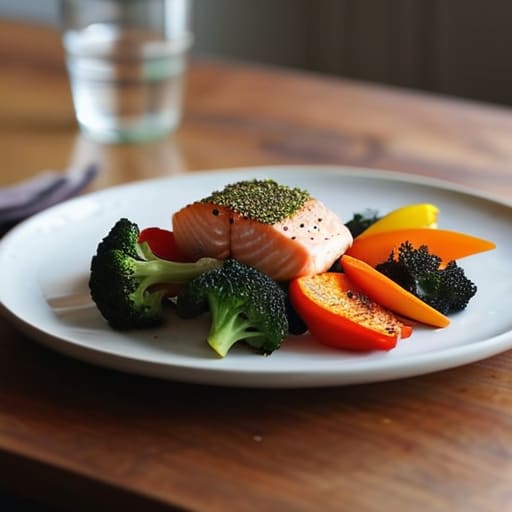
I’ve never been one for counting every single calorie or weighing out grams of food on a digital scale—it just adds unnecessary stress to an already busy day. Instead, I rely on a simple visual trick I call the “plate method for healthy eating.” Think of your plate as a map. You want to aim for a specific protein vegetable carbohydrate ratio that keeps your energy steady without making you feel like you’re performing a science experiment in your kitchen.
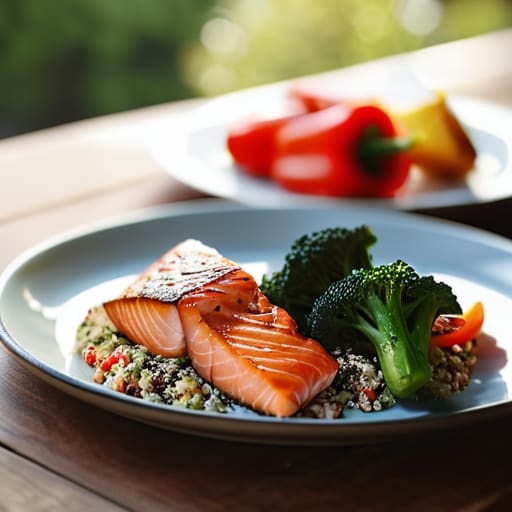
To get this right without the headache, try dividing your plate into zones. Fill half of it with colorful, fibrous veggies first; they provide the bulk and the micronutrients without the heavy calorie load. Then, dedicate about a quarter to a solid protein source—like a piece of salmon or a scoop of lentils—and the final quarter to your complex carbs, such as sweet potatoes or quinoa. This isn’t about being perfect; it’s about intuitive portion control that works with your life, not against it. When you master this basic layout, you stop overthinking and start eating with intention.
Using the Plate Method for Healthy Eating
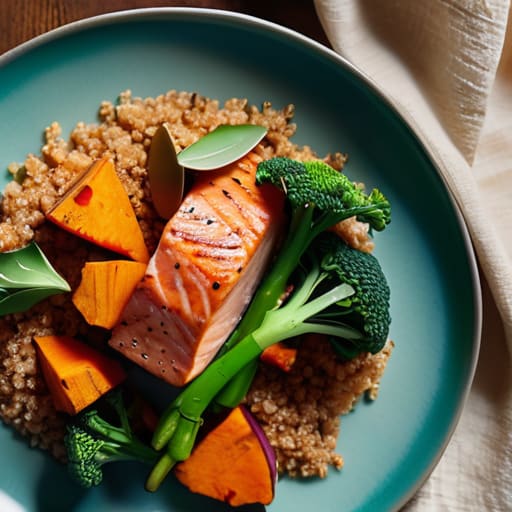
If you’re like me, the idea of tracking every single calorie or weighing out grams of fiber feels like a second full-time job. I don’t have the mental bandwidth for that, and frankly, neither do you. Instead of getting bogged down in complex math, I rely on the plate method for healthy eating. It’s a visual shortcut that turns your dinner plate into a simple blueprint. You don’t need a scale; you just need your eyes.
The trick is to look at your plate as a map. I aim to fill half of it with non-starchy vegetables—think leafy greens, peppers, or broccoli—to maximize the nutritional density of foods without adding much bulk. The other half is split between your protein and your complex carbs. By using this visual cue, you’re essentially practicing portion control for healthy eating without ever having to open a spreadsheet. It’s about finding that sweet spot where you feel fueled and satisfied, rather than restricted or constantly hungry. It’s practical, it’s fast, and it actually works for real life.
My Five Go-To Shortcuts for Stress-Free Plates
- Don’t get hung up on perfect math. If you’re staring at a pile of pasta and feel guilty, just throw in a handful of frozen peas or some canned chickpeas. Adding a single fiber or protein source to what you’re already eating is a win in my book.
- Use your pantry as your secret weapon. I keep jars of lentils, canned tuna, and quinoa on hand for a reason. When the “what’s for dinner” panic sets in, these staples turn a random bowl of grains into a legitimate, balanced meal in under five minutes.
- Think in colors, not just calories. If your plate looks beige—think chicken, rice, and potatoes—it’s probably missing the nutrients that keep your energy steady. Aim for at least one vibrant color, whether it’s a quick handful of spinach or some sliced bell peppers.
- Keep the “prep” minimal. You don’t need to spend Sunday afternoon chopping vegetables to eat well. Pre-washed salad greens, rotisserie chickens, and microwaveable grain pouches are perfectly acceptable tools for a busy week.
- Listen to your hunger, not the recipe. A balanced meal should actually leave you feeling satisfied, not stuffed or still searching for a snack twenty minutes later. If you’re still hungry, add more volume with veggies; if you’re crashing later, you probably need a bit more healthy fat or protein.
Keeping It Simple
“Forget the complicated macros and the expensive superfoods; a balanced meal isn’t a math problem to solve, it’s just about giving your body the basic fuel it needs so you can get back to your actual life.”
Elena Vance
Keeping It Simple
At the end of the day, building a balanced meal isn’t about obsessing over every single gram of macronutrients or following a rigid, complicated blueprint. It’s really just about the basics we’ve covered: getting your protein in, filling up on veggies, and choosing a reliable carb to fuel your afternoon. Whether you’re using the plate method to visually guide your portions or just focusing on that core ratio, the goal is to remove the guesswork from your dinner routine. Once you stop viewing every meal as a math problem to be solved, you’ll find that eating well becomes much more intuitive and much less exhausting.
I know how it feels when your to-do list is a mile long and the last thing you want to do is decode a complex recipe. But remember, you don’t have to be perfect to be healthy. Some nights it’ll be a beautiful, composed bowl, and other nights it’ll be a quick scramble with whatever is left in the crisper drawer. Both count. My advice? Just start with the foundation and let the rest fall into place. You’ve got this, and your body will definitely thank you for the effort. Now, go enjoy your food and get back to actually living your life.


I believe that a well-run home shouldn't require a PhD or a massive budget. My goal is to strip away the complexity so you can focus on actually living in your space. Let's keep things practical, efficient, and genuinely useful.
View All Articles