

I was sitting at my desk yesterday, staring at a half-finished project and a pile of sanding supplies for a vintage credenza, when my brain just… shut off. I felt that heavy, foggy weight behind my eyes that makes even the simplest task feel like climbing Everest. We’ve all been sold this idea that the solution to the mid-day crash involves expensive “brain-boosting” supplements or a complete lifestyle overhaul, but honestly? That’s just more noise. I’m tired of the complicated fixes, and I know you are too. If you are looking for how to beat afternoon fatigue without spending a fortune on trendy wellness gadgets, you’ve come to the right place.
I’m not here to give you a lecture or a list of impossible habits that require a PhD to maintain. Instead, I want to share the practical, low-maintenance tweaks that actually work for a busy person living a real life. We’re going to look at simple, no-fuss adjustments to your environment, your movement, and your fuel that respect your time and your budget. Let’s strip away the hype and get you back to feeling genuinely capable by 3 p.m.
Decoding Post Lunch Dip Causes Without the Science Degree
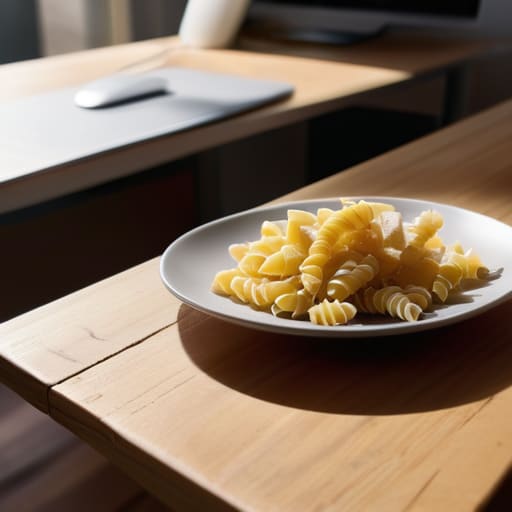
Look, we’ve all been there: you finish a decent lunch, sit down to tackle your inbox, and suddenly your brain feels like it’s made of cotton wool. Before you reach for a third espresso, let’s talk about why this actually happens. You don’t need a biology degree to understand that your body is reacting to certain inputs. Often, the culprit is tucked right inside your lunchbox. Certain dietary triggers for midday tiredness, like a heavy load of refined carbs or a massive portion of pasta, can send your blood sugar on a rollercoaster ride—spiking high and then crashing hard.
It’s also worth noting that your internal clock plays a huge role here. There is a natural connection between your circadian rhythm and energy levels that causes a slight dip in alertness in the early afternoon. It’s a biological reality, not a personal failure. When you combine that natural lull with a heavy meal, you get the perfect storm of sluggishness. The goal isn’t to fight your biology, but to stop making it harder on yourself by choosing foods that keep your energy steady rather than causing a crash.
Natural Ways to Increase Alertness When Youre Waning

Instead of reaching for a third cup of coffee—which usually just leads to a jittery crash an hour later—I’ve learned to look for quick midday energy boosters that actually work. One of my favorite tricks is a quick change of scenery. If you’re working from home, step outside for just five minutes. The combination of natural light and fresh air does wonders for resetting your internal clock. If you can’t get outside, even just standing up to stretch or doing a few quick movements can help break that physical stagnation.
Another thing I’ve realized is how much our food choices play a role. We often talk about dietary triggers for midday tiredness, like those heavy, carb-loaded pasta dishes that make you want to nap immediately. I’ve started opting for lunches that prioritize protein and healthy fats; it keeps my blood sugar steady so I don’t hit that wall. It’s not about a restrictive diet; it’s just about choosing fuel that supports your focus rather than draining it. Small, intentional shifts make a world of difference.
My Go-To Tactics for Staying Sharp
- Watch your lunch load. I’ve learned the hard way that a massive bowl of pasta at noon is just a one-way ticket to a nap. Try to lean more on proteins and greens; it keeps your blood sugar from doing that annoying roller coaster ride that leaves you wiped out by 2 p.m.
- Hydrate, but keep it simple. Sometimes that brain fog isn’t even fatigue—it’s just dehydration. Keep a decent water bottle on your desk and take small sips throughout the afternoon. It’s a tiny habit, but it makes a massive difference in how clear you feel.
- The five-minute movement rule. When I feel my eyes glazing over a spreadsheet, I stand up. Even if it’s just stretching or walking to the kitchen to refill my water, getting your blood moving breaks that physical stagnation that keeps you feeling sluggish.
- Curate your caffeine window. I love a good coffee as much as anyone, but slamming a third cup at 3 p.m. usually backfires by messing with my sleep later. Try to wrap up the caffeine by early afternoon so you aren’t fighting fatigue tomorrow because you couldn’t sleep tonight.
- Use a “brain dump” to clear the mental clutter. Often, afternoon fatigue is actually just mental overwhelm. If your head feels heavy, grab my little pocket notebook and jot down everything swirling in your mind. Once it’s on paper, your brain can stop working so hard to hold onto it, and you can actually focus again.
## A Mindset Shift for the Midday Slump
“We often treat that afternoon crash like a personal failure, but it’s usually just your body asking for a course correction. You don’t need a complicated bio-hacking routine; you just need to stop fighting your biology and start making small, practical adjustments that actually work.”
Elena Vance
Keeping the Momentum Going

At the end of the day, beating that afternoon slump isn’t about finding a magic pill or overhaulng your entire life overnight. It’s about the small, intentional shifts—like choosing a lighter lunch, stepping away from your screen for five minutes, or finally staying hydrated. We’ve looked at why the dip happens and how to nudge your energy back up without making a massive production out of it. Remember, you don’t need a complicated wellness regimen to feel better; you just need to listen to what your body is actually asking for in those mid-afternoon hours. Keep your toolkit simple, stay consistent, and focus on progress over perfection.
I know how frustrating it feels when you have a mountain of tasks and your brain just decides to check out. But please, be kind to yourself when those foggy moments hit. We aren’t machines, and expecting ourselves to run at 100% capacity from sunrise to sunset is a recipe for burnout. Instead of fighting against your natural rhythms, try to work with them. By reclaiming these small pockets of energy, you aren’t just getting more work done—you’re making sure you actually have the mental space to enjoy your life once the laptop finally closes. You’ve got this.


I believe that a well-run home shouldn't require a PhD or a massive budget. My goal is to strip away the complexity so you can focus on actually living in your space. Let's keep things practical, efficient, and genuinely useful.
View All Articles