

I was sitting on my workshop floor last Tuesday, surrounded by the skeletal remains of a mid-century sideboard I’d promised to finish by Friday, when the sheer weight of my to-do list finally hit me. It wasn’t just the sawdust in my lungs; it was that familiar, suffocating feeling that I was one minor inconvenience away from a total meltdown. Most wellness influencers will tell you that learning how to build mental resilience requires a week-long silent retreat or a massive investment in expensive mindfulness apps, but honestly? That’s just more noise. When you’re actually in the thick of it—juggling freelance deadlines, a messy house, and the general chaos of life—you don’t need a spiritual overhaul; you need something that actually works when your hands are shaking.
I’m not here to sell you a lifestyle makeover or some complicated psychological theory that sounds great on paper but fails in practice. Instead, I want to share the no-nonsense, practical tools I’ve gathered from years of managing high-stress projects and my own personal burnout. We’re going to strip away the fluff and focus on small, manageable shifts that help you stay grounded without needing a PhD. Let’s get into the real, unpolished ways to build a mindset that can actually handle the bumps in the road.
Practical Emotional Regulation Techniques for Busy Days

When my project deadlines start piling up and my inbox feels like a tidal wave, I don’t have time for a twenty-minute meditation session. I need something that works in the three minutes between Zoom calls. For me, the most effective emotional regulation techniques are the ones that ground me physically. I’ve found that “box breathing”—inhaling, holding, exhaling, and holding for four seconds each—is a total lifesaver. It’s a simple way to reset my nervous system before I jump into a high-stakes meeting, preventing that frantic, “fight-or-flight” feeling from taking over my entire afternoon.
Another tool I keep in my mental toolkit is practicing psychological flexibility. Instead of fighting the fact that I’m feeling stressed, I acknowledge it. I’ll literally tell myself, “Okay, I’m feeling overwhelmed right now, and that’s a normal reaction to this workload.” By labeling the emotion rather than letting it drive the car, I can make more logical decisions. It’s not about pretending everything is perfect; it’s about building emotional strength by staying steady even when the day feels a little chaotic.
Building Emotional Strength Through Simple Daily Habits

I’ve learned through years of juggling freelance deadlines and home renovations that resilience isn’t about a massive overnight overhaul; it’s about the small, quiet things you do when the chaos hits. One of my favorite ways to practice building emotional strength is through a simple “reset” ritual. When a project goes sideways or a DIY mishap leaves me staring at a ruined piece of wood, I step away from the mess for five minutes. No phone, no scrolling—just a quick walk or a cup of tea. It sounds almost too simple, but these tiny pockets of calm act as essential coping mechanisms for stress that prevent a bad moment from turning into a bad week.
Another thing that has changed the game for me is leaning into a bit of growth mindset development. Instead of asking, “Why is this happening to me?” I try to shift toward, “What is this teaching me?” It’s a subtle tweak in perspective, but it helps you stop viewing obstacles as dead ends and start seeing them as puzzles to solve. It’s not about being perfect; it’s about being flexible enough to bend without breaking.
Five Ways to Toughen Up Without Burning Out
- Stop trying to control the chaos. Some days, the tech fails, the coffee spills, and the schedule falls apart. Resilience isn’t about preventing the mess; it’s about accepting that the mess is part of the process and deciding not to let it ruin your entire afternoon.
- Audit your mental “clutter.” Just like I’d clear out a junk drawer before reorganizing it, you need to clear out the mental noise. If a specific news cycle or a certain social media feed is constantly draining your battery, mute it. You don’t need that extra weight.
- Build a “reset” ritual. When I’m feeling overwhelmed by a complex project, I step away from the screen for five minutes. Find your own version—a quick walk around the block, a few deep breaths, or even just stepping into a different room. It breaks the spiral.
- Focus on your “micro-wins.” When life feels heavy, looking at the big picture is paralyzing. Instead, look at the next ten minutes. Did you answer one email? Did you drink a glass of water? Those small completions build the momentum you need to tackle the bigger stuff.
- Keep a “done” list instead of just a “to-do” list. We spend so much time staring at everything we haven’t accomplished that we forget how much we actually handle. At the end of the day, jot down three things you managed to navigate. It proves to your brain that you’re more capable than you feel.
A Real-World Perspective
“Resilience isn’t about becoming an unbreakable machine; it’s about building a toolkit of small, practical habits so that when life inevitably gets messy, you know exactly how to steady yourself and keep moving forward.”
Elena Vance
Taking It One Step at a Time
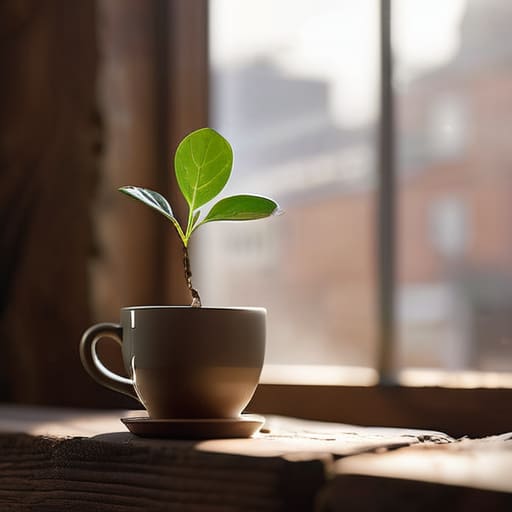
At the end of the day, building mental resilience isn’t about becoming an untouchable robot or never feeling stressed again. It’s about having a toolkit ready when things inevitably get messy. We’ve talked about everything from quick emotional regulation tricks to those small, daily habits that keep your foundation solid. Whether you’re practicing a breathing technique during a hectic workday or simply making sure you carve out ten minutes of quiet time, the goal is consistency over perfection. Remember, you don’t need to overhaul your entire life overnight; you just need to focus on the small, manageable shifts that help you stay grounded when the world feels a bit too loud.
I know how tempting it is to wait for a “perfect” time to start working on yourself, but that time rarely shows up on a calendar. Life is going to be unpredictable, and quite frankly, it’s usually a bit chaotic. But you don’t need a massive budget or a complete lifestyle redesign to find your footing again. Just pick one thing we discussed today and try it out. You’ll find that resilience is a muscle, and every time you choose a practical tool over a spiral of overthinking, you’re getting stronger. You’ve got this. Now, go out there and actually live your life.


I believe that a well-run home shouldn't require a PhD or a massive budget. My goal is to strip away the complexity so you can focus on actually living in your space. Let's keep things practical, efficient, and genuinely useful.
View All Articles