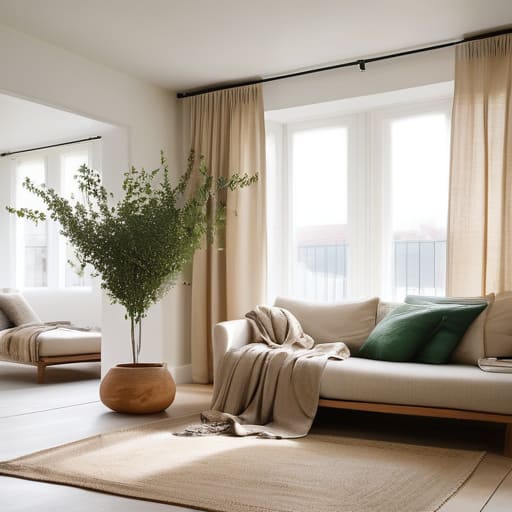

I was sitting on my living room floor last Tuesday, surrounded by half-finished sanding projects and a mountain of “just in case” cables, when it hit me: I wasn’t living in my home, I was managing it. We’ve all seen those polished social media videos where someone spends thousands on matching acrylic bins and aesthetic labels, acting like a color-coded pantry is the secret to a peaceful life. Honestly? That’s just moving the mess around and calling it decor. If you’re looking for a magic pill or a shopping list of expensive organizers, you’re in the wrong place. I’m interested in the real, slightly messy process of learning how to reduce clutter for good without breaking the bank or losing your mind.
I’m not here to sell you a lifestyle; I’m here to share what actually works when you’re tired, busy, and done with the chaos. I promise to give you straightforward, actionable strategies that focus on systems, not stuff. We’re going to strip away the fluff and tackle the root causes of the pile-ups so you can finally stop fighting your belongings and start actually living in your space.
Essential Decluttering Mindset Shifts for Real Change

Before you even touch a single cardboard box, we need to talk about your head. Most people fail at this because they treat decluttering like a weekend chore rather than a mental recalibration. If you’re just moving piles from the dining table to the guest room, you aren’t actually solving anything. Real, lasting change requires specific decluttering mindset shifts, specifically moving away from the “just in case” mentality. That impulse to keep a broken gadget or a shirt you haven’t worn since 2012 isn’t practical—it’s just mental weight.
You also have to stop viewing your home as a storage unit for your past or your “future self.” I used to do this all the time, holding onto expensive hobby supplies for a version of me that simply doesn’t exist anymore. Instead, focus on the space you occupy right now. When you shift your focus toward the decluttering psychological benefits—like the immediate sense of calm that comes from a clear surface—it becomes much easier to let go. It’s not about deprivation; it’s about making room for the life you’re actually living.
Decluttering Room by Room Without the Overwhelm
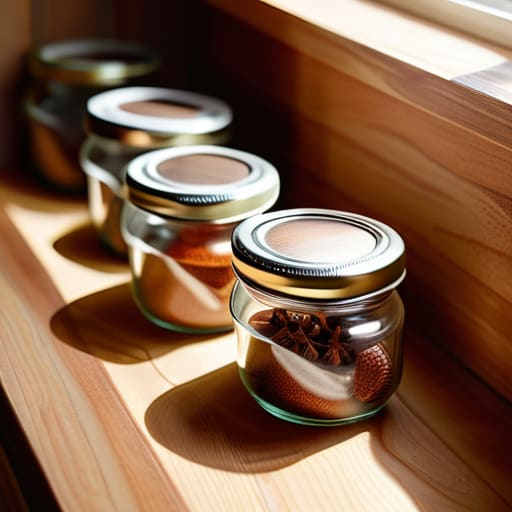
When you look at a whole house, it’s easy to freeze up. That’s where the strategy of decluttering room by room becomes your best friend. I used to try and tackle the entire living area in one go, only to end up sitting on the floor surrounded by piles of junk, feeling completely defeated. Now, I treat each room like a standalone project. Start with the smallest, least emotional space—usually a bathroom or a pantry. There’s something about clearing out expired medications or half-empty spice jars that provides an immediate sense of victory without the heavy emotional lifting.
Once you gain that momentum, move to the high-traffic areas like the kitchen or entryway. The trick here is to implement organizing systems for home that actually make sense for your daily flow, rather than forcing yourself into a “Pinterest-perfect” mold that doesn’t work for a busy life. If you can’t find your keys in ten seconds, your system is broken. Keep it simple: a dedicated tray for mail, a specific hook for bags, and a clear spot for everything else. Success isn’t about perfection; it’s about functional simplicity.
Five Habits to Keep the Chaos from Creeping Back
- Stop the “just in case” trap. If you haven’t reached for that obscure gadget or that extra set of linens in two years, you don’t need them. Let’s be honest: if you actually needed it, you’d find a way to get it. Free up that shelf space for things you actually use every day.
- Use the “One In, One Out” rule religiously. This is my non-negotiable. If you bring home a new pair of boots or a new kitchen gadget, something else has to go. It keeps your inventory stable so you aren’t constantly playing catch-up with your own belongings.
- Give every single object a permanent home. Clutter is usually just stuff that doesn’t have a designated spot to live. If you find yourself leaving mail on the counter or keys on the dining table, it’s because they don’t have a “house” yet. Assign them a spot, and the habit will follow.
- Do a five-minute “reset” every evening. Before you head to bed or settle onto the couch, grab a basket or just your hands and clear the flat surfaces. Clearing the coffee table or the kitchen island isn’t about deep cleaning; it’s about resetting the visual noise so you wake up to calm, not chaos.
- Stop buying “solutions” for problems you haven’t solved yet. I see it all the time—people buying fancy acrylic bins and labeled organizers before they’ve even gotten rid of the junk. You don’t need more containers; you need less stuff. Get the clutter down first, then decide if you actually need a bin.
The Truth About Keeping Things Simple
“Decluttering isn’t about reaching some perfect, minimalist finish line where every surface is empty; it’s about making sure the stuff you actually love has enough room to breathe, so you can stop managing your belongings and start actually living around them.”
Elena Vance
Making it Stick
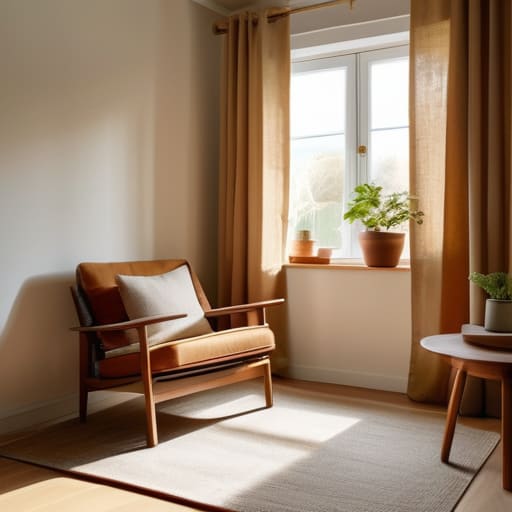
At the end of the day, reducing clutter isn’t about achieving some impossible, Pinterest-perfect aesthetic; it’s about creating a home that actually works for you. We’ve talked about shifting your mindset from “maybe one day” to “not right now,” tackling your space room by room so you don’t burn out, and setting up simple systems that actually stick. Remember, the goal isn’t to have an empty house, but to ensure that every single thing you own has a purpose or a place. If you keep focusing on practicality over perfection, you won’t find yourself back in this same cycle of chaos three months from now.
I know it feels daunting when you look at that one “junk drawer” or the overflowing closet, but please, be kind to yourself. You aren’t failing if things get a little messy again—life happens, and sometimes the clutter creeps back in. The real win is knowing you have the tools to reset when you need to. Stop letting your belongings manage your schedule and your stress levels. Grab a bag, pick one small corner, and just start where you are. You deserve to live in a space that feels like a sanctuary, not a storage unit. You’ve got this.


I believe that a well-run home shouldn't require a PhD or a massive budget. My goal is to strip away the complexity so you can focus on actually living in your space. Let's keep things practical, efficient, and genuinely useful.
View All Articles