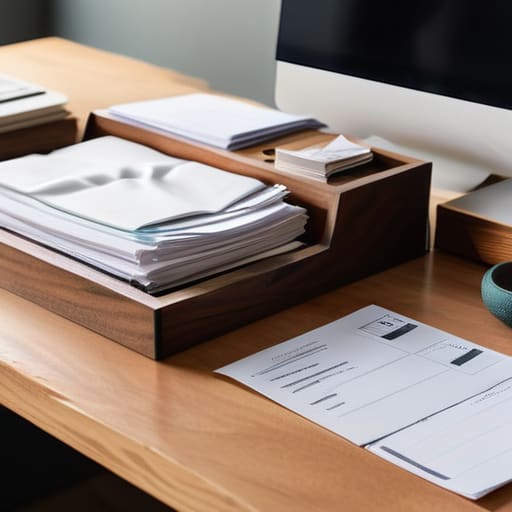

I was sitting at my kitchen table last Tuesday, staring at a mountain of unopened envelopes and crumpled receipts, feeling that familiar, heavy knot of anxiety in my chest. It’s that specific kind of clutter that doesn’t just take up space; it drains your mental energy. I used to think that learning how to organize paperwork meant buying a $200 designer filing system or spending an entire weekend color-coding everything by date and category. But honestly? That’s just a recipe for burnout. Most of the advice out there is way too complicated for anyone who actually has a life to lead outside of their home office.
I’m not here to sell you on a lifestyle overhaul or a complicated system that requires a degree to maintain. Instead, I want to show you a way to tackle this that actually sticks. I’m going to share my own tried-and-true, low-maintenance methods for getting your documents under control without turning your home into a corporate archive. We’re going to focus on practical, quick wins that strip away the chaos so you can finally stop searching for that one missing tax form and get back to actually living your life.
Smart Paperwork Decluttering Tips for Real Life
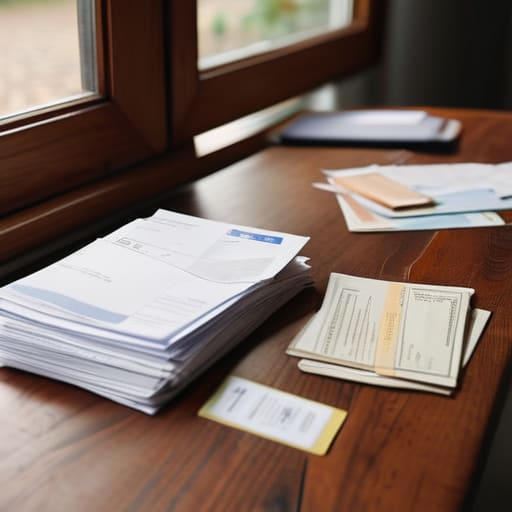
First things first: stop trying to organize everything at once. If you look at that mountain of mail and think you need to tackle it all in one afternoon, you’re going to burn out before you even find a folder. Instead, try the “one surface” rule. Pick one spot—maybe that junk drawer or the pile on the dining table—and focus solely on sorting important documents there. Separate the “trash” (expired coupons, old flyers) from the “action” (bills to pay) and the “keep” (tax records, birth certificates). It’s much more manageable when you treat it like a series of small wins rather than a massive project.
Once you’ve cleared the immediate chaos, it’s time to think about long-term organizing household records. I’m a huge advocate for digital document scanning to keep your physical footprint small. If you don’t need the original hard copy for legal reasons, scan it, save it to a secure cloud drive, and shred the paper. It saves massive amounts of space and makes finding that one random warranty much easier when you’re actually in a rush.
Sorting Important Documents Without the Headache
Once you’ve cleared the surface clutter, it’s time to tackle the real heavy lifting: actually sorting important documents into categories that make sense for your life. I used to think I needed a complex system, but honestly, most of us just need a few sturdy bins or folders. Start by creating three distinct piles: “Action Required” (bills that need paying or forms to sign), “Vital Records” (the stuff you’d need in a literal emergency), and “Archive” (tax stuff or old manuals). Don’t get bogged down in the minutiae of every single receipt; if it doesn’t impact your taxes or your legal standing, it probably doesn’t belong in a permanent file.
If you’re feeling tech-savvy, I’m a huge advocate for digital document scanning to slim down your physical footprint. There is nothing more satisfying than taking a stack of confusing medical records, scanning them into a secure folder on your laptop, and shredding the paper. It makes organizing household records so much faster when you aren’t digging through a literal mountain of manila folders just to find a single immunization record. Keep the physical copies for the high-stakes stuff, and let the digital versions handle the rest.
Five Quick Wins to Keep the Chaos at Bay
- Pick a “landing zone” near your door or on a specific counter. Instead of letting mail drift across the whole house, give it one designated spot. It’s much easier to deal with a single pile than a trail of crumbs.
- Go digital where you can. I’ve started scanning my most frequent utility bills and receipts straight to a dedicated folder on my laptop. If you can delete the paper version without losing your mind, do it.
- Use color-coded folders, but keep it simple. Don’t go overboard with a rainbow; just use one color for medical, one for house/auto, and one for personal. Your brain will start to recognize the colors before you even read the labels.
- Set a “five-minute Friday” rule. Once a week, grab that one pile of paper that’s been staring at you and either file it, shred it, or toss it. It prevents the mountain from growing into a landslide.
- Invest in a decent shredder, not a cheap one. If you’re dreading the task because you’re worried about identity theft, a fast, reliable shredder makes the “toss” part of the process feel much more secure and satisfying.
The Goal of Organizing
“Paperwork shouldn’t be a mountain you have to climb every weekend; it should be a system so quiet and efficient that you almost forget it’s even there.”
Elena Vance
Take a Breath, You’ve Got This
At the end of the day, organizing your paperwork isn’t about achieving some Pinterest-perfect aesthetic or building a massive, expensive filing system that you’ll never actually use. It’s really just about reclaiming your mental space. We’ve covered how to aggressively declutter the junk, how to categorize the essentials without losing your mind, and how to set up a simple flow that works for your actual daily routine. Remember, the goal is to stop the “paper pile-up” before it starts by using those cheap folders and a designated spot for incoming mail. If you can keep the system simple, you’ll actually stick to it when life gets hectic.
I know that looking at a mountain of envelopes and old receipts can feel completely overwhelming, but don’t feel like you have to tackle the whole house in one afternoon. Start small—maybe just one drawer or one stack on the kitchen counter—and give yourself permission to be imperfect. You aren’t just organizing paper; you are clearing the clutter so you can get back to the things that actually matter, like enjoying a quiet coffee or finally finishing that furniture project. You’ve got the tools and the plan, so just take that first step and trust the process.


I believe that a well-run home shouldn't require a PhD or a massive budget. My goal is to strip away the complexity so you can focus on actually living in your space. Let's keep things practical, efficient, and genuinely useful.
View All Articles