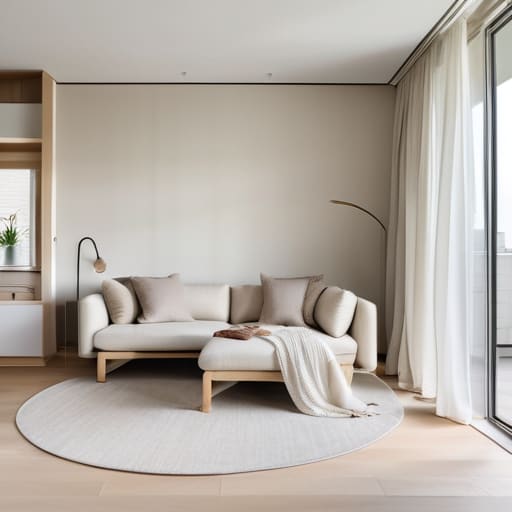

I remember staring at my first studio apartment, surrounded by half-restored mid-century sideboards and a mountain of moving boxes, feeling like the walls were physically closing in on me. Every “expert” magazine I flipped through insisted that the only way to fix the squeeze was to gut the place or spend a small fortune on designer minimalist furniture that looked more like art than something you could actually sit on. It’s exhausting, honestly. You don’t need a massive renovation or a designer’s budget to find some breathing room; you just need to know how to make a small room look bigger using what you already have.
I’m not here to sell you on expensive, trendy gimmicks that will look dated by next season. Instead, I want to share the practical, low-cost tweaks I’ve learned through years of managing tight spaces and restoring old furniture. We’re going to focus on smart layouts, light manipulation, and stripping away the visual clutter that makes a room feel claustrophobic. My goal is to give you a straightforward toolkit so you can stop feeling cramped and finally start enjoying the space you call home.
Mastering Interior Design Tricks for Small Spaces
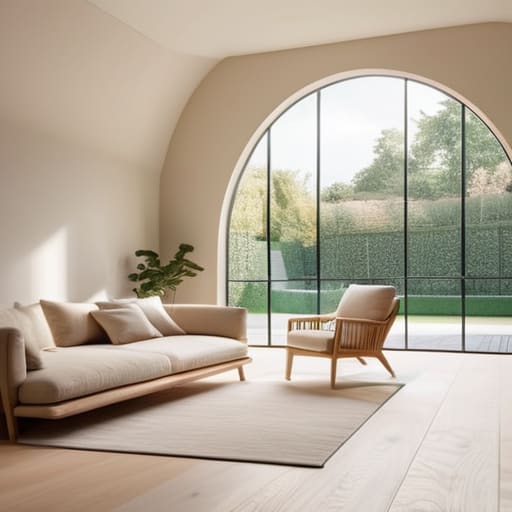
When it comes to actual design, you don’t need a professional degree to see results; you just need to understand how the eye moves through a room. One of my favorite interior design tricks for small spaces is playing with reflection. I’ve found that using mirrors to expand rooms is a total game-changer. If you place a large mirror directly across from a window, it catches the light and tricks your brain into thinking there’s another opening in the wall. It’s a simple, low-effort way to add depth without moving a single piece of heavy furniture.
Beyond just light, think about how your furniture works for you. In my own studio, I’ve learned that every piece has to earn its keep. This is where multifunctional furniture for tiny rooms becomes your best friend. Instead of a bulky coffee table, I opt for something with hidden storage or a nesting design. If a piece of furniture only does one thing and takes up a lot of floor real estate, it’s probably working against you. Keep it light, keep it useful, and let the room breathe.
Using Mirrors to Expand Rooms Without the Fuss
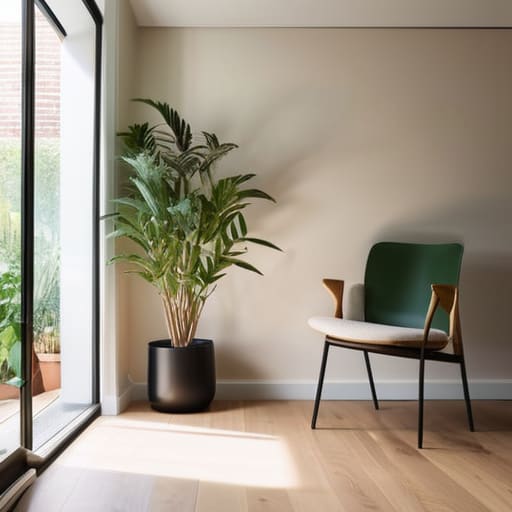
If there’s one thing I’ve learned from years of tinkering with furniture and rearranging my own workspace, it’s that light is your best friend. One of my favorite interior design tricks for small spaces is the strategic placement of mirrors. You don’t need a massive, ornate floor mirror to make an impact; even a simple, clean-lined rectangular piece can change the entire energy of a room. The trick is to place them directly opposite a window. This effectively doubles the amount of sunlight flooding in, which is one of the most efficient ways of maximizing natural light in small spaces.
Don’t feel like you have to commit to one giant statement piece, either. I often suggest using a cluster of smaller, mismatched mirrors on a single wall to create a bit of visual interest without the clutter. It mimics the effect of a window and creates an illusion of depth that tricks the eye into seeing more floor space than actually exists. Just remember to keep the frames simple—if the goal is to make the room feel larger, you want the mirror to reflect the space, not draw too much attention to itself.
Five Practical Ways to Reclaim Your Space
- Declutter ruthlessly. I know, it sounds cliché, but every unnecessary knick-knack on a shelf is just visual noise that makes a room feel crowded. If you haven’t touched it in a year, let it go or box it up.
- Choose furniture with legs. Instead of heavy, solid pieces that sit right on the floor, opt for sofas and chairs with tapered legs. Seeing the floor extend underneath the furniture tricks your brain into thinking there’s more square footage than there actually is.
- Use the “vertical trick.” When you run out of floor space, look up. Installing floating shelves or hanging curtains higher than the actual window frame draws the eye upward and makes your ceilings feel much taller.
- Stick to a cohesive color palette. You don’t have to live in a sterile white box, but having too many clashing colors can make a room feel frantic. Keeping your walls and large furniture in similar, lighter tones creates a seamless flow that opens things up.
- Scale your decor properly. One large, statement piece often works much better in a tiny room than a dozen tiny trinkets. A single oversized plant or a large piece of art feels intentional and calm, whereas a bunch of small items just looks like clutter.
The Core Philosophy
“Making a small room feel bigger isn’t about buying more ‘space-saving’ gadgets; it’s about clearing the visual noise so your eyes—and your mind—can actually breathe.”
Elena Vance
Making Room for What Matters
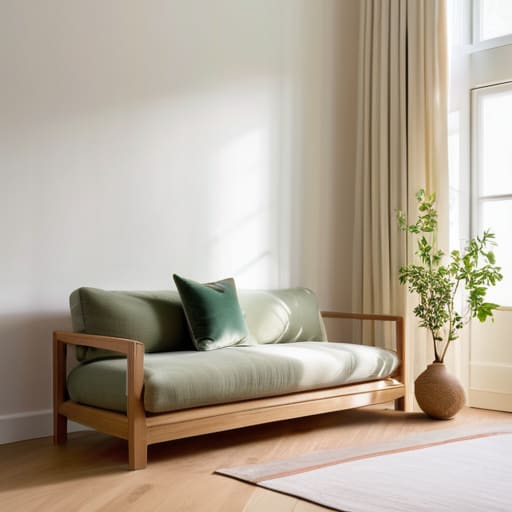
At the end of the day, making a small room feel larger isn’t about buying every expensive gadget or following every high-end design trend you see on social media. It’s about the small, intentional shifts—choosing multi-functional furniture that pulls its weight, strategically placing a mirror to catch the light, and decluttering the visual noise that makes a space feel claustrophobic. Whether you’re rearranging your layout or simply clearing off a crowded coffee table, these tiny adjustments add up. Remember, you don’t need a massive renovation to fix a cramped room; just a few smart, low-cost tweaks can completely change how you experience your home.
I know how easy it is to feel defeated by a floor plan that seems too tight or a room that feels like it’s closing in on you. But your home should be a sanctuary, not a source of stress. Don’t feel like you have to tackle everything at once—just pick one corner or one corner of a room to start with this weekend. Once you see how much breathing room a little organization can create, you’ll realize that space is more about how you use it than the actual square footage you’re paying for. You’ve got this, and I can’t wait to hear how your space transforms.


I believe that a well-run home shouldn't require a PhD or a massive budget. My goal is to strip away the complexity so you can focus on actually living in your space. Let's keep things practical, efficient, and genuinely useful.
View All Articles