
I used to think that learning how to stock a healthy kitchen meant buying every exotic superfood currently trending on social media—the kind of stuff that costs a fortune and usually ends up wilting in the back of the crisper drawer. I spent years thinking I needed a specialized lifestyle just to eat well, but honestly, that’s just a recipe for burnout and a lighter wallet. Most of the advice out there is way too complicated, making you feel like you need a culinary degree just to get through a Tuesday night.
I’m not here to sell you on expensive powders or niche ingredients you’ll use once. Instead, I want to show you how to build a foundation of versatile, reliable staples that actually make cooking easier, not harder. My goal is to strip away the noise and give you a practical roadmap for how to stock a healthy kitchen that works for your real life. We’re going to focus on efficiency, smart shopping, and items that actually stay fresh, so you can spend less time stressing over grocery lists and more time actually enjoying your meals.
Your Low Processed Food Shopping Guide
When I first started my freelance journey, I realized my kitchen was basically a graveyard for expensive, pre-packaged convenience meals. I was spending more time reading confusing ingredient labels than actually eating. To fix this, I stopped looking for “diet foods” and started focusing on a low processed food shopping guide that actually makes sense. The trick isn’t to hunt down rare superfoods; it’s about sticking to the perimeter of the grocery store where the real food lives—produce, proteins, and dairy.
Instead of grabbing those “healthy” granola bars that are basically just glorified candy bars, I focus on building a foundation of whole food pantry staples. Think dried lentils, quinoa, canned beans, and oats. These items are inexpensive, have a long shelf life, and act as the building blocks for almost any meal. By prioritizing these versatile ingredients, you aren’t just buying food; you’re buying time. You’ll find that having these basics on hand makes the transition to more intentional eating feel less like a chore and more like a natural part of your routine.
Nutritious Grocery List Essentials That Actually Fit Your Budget
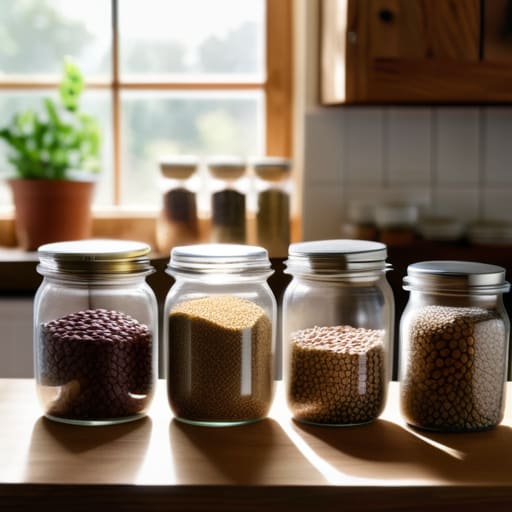
When I first started transitioning away from the convenience of pre-packaged meals, I felt like I was going to spend a fortune just to eat a salad. That couldn’t be further from the truth. The secret is focusing on whole food pantry staples that act as building blocks rather than finished products. Think about things like dried lentils, brown rice, oats, and canned beans. These aren’t just cheap; they are incredibly versatile. You can turn a bag of lentils into a hearty soup one night and a spicy taco filling the next.
I also swear by keeping a rotation of frozen vegetables in the freezer. Honestly, they are often more nutrient-dense than the “fresh” produce that’s been sitting in a truck for a week, and they won’t go bad in your crisper drawer if you forget about them for a few days. When you combine these frozen greens with some basic proteins like eggs or canned tuna, you have the foundation for meal prepping with healthy ingredients without needing a gourmet grocery budget. It’s all about buying items that work hard for you, not just things that look pretty on a shelf.
Five Simple Habits to Keep Your Kitchen Running Smoothly
- Shop your own pantry before you hit the store. It sounds obvious, but I’ve lost count of how many times I’ve bought a second bag of lentils when I already had two hiding in the back of the cupboard. Take ten minutes to see what you actually have; it saves money and prevents waste.
- Embrace the power of the freezer. Frozen vegetables are just as nutritious as fresh ones—sometimes even more so because they’re flash-frozen at peak ripeness—and they won’t turn into a science experiment in your crisper drawer if you have a busy week.
- Stick to a “base ingredient” strategy. Instead of buying complex pre-packaged meal kits, keep versatile basics like quinoa, eggs, and canned beans on hand. You can pivot from a Mediterranean bowl to a quick stir-fry in minutes just by swapping the seasonings.
- Don’t fear the bulk aisle. If you have the space, buying staples like oats, rice, or nuts in larger quantities is a lifesaver for the budget. Just make sure you have some airtight glass jars to keep everything fresh and organized.
- Plan for “low-energy” meals. We all have those days where the last thing we want to do is chop vegetables. Always keep a few high-quality, healthy shortcuts in the pantry—like a good jarred marinara or a tin of high-quality tuna—so you aren’t tempted to order expensive, greasy takeout when you’re exhausted.
My Philosophy on Food
“A healthy kitchen isn’t about having a perfectly curated pantry full of expensive superfoods; it’s about having a handful of reliable, real ingredients that make it easy to say ‘yes’ to a good meal even when you’re exhausted.”
Elena Vance
Small Steps, Big Changes
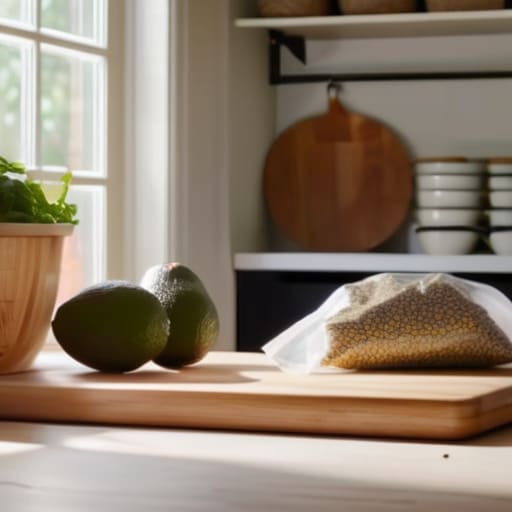
At the end of the day, stocking a healthy kitchen isn’t about achieving some impossible standard of perfection or buying every trendy superfood on the market. It’s about building a foundation of versatile staples—those reliable grains, proteins, and frozen veggies—that make a Tuesday night dinner feel manageable rather than a chore. By focusing on low-processed options and sticking to a budget-friendly list, you’re essentially removing the friction between you and a good meal. You don’t need a gourmet pantry; you just need a collection of ingredients that actually work for your real, busy life.
Please, don’t feel like you have to overhaul your entire kitchen in a single weekend. If you only manage to swap out one processed snack for a bag of nuts or add one extra vegetable to your grocery cart this week, that is a win. Building a healthy home is a marathon, not a sprint, and it’s much more effective to make small, sustainable shifts than to try and flip your entire lifestyle overnight. Take it one grocery trip at a time, keep things practical and simple, and remember that the goal is to fuel your life, not to complicate it.


I believe that a well-run home shouldn't require a PhD or a massive budget. My goal is to strip away the complexity so you can focus on actually living in your space. Let's keep things practical, efficient, and genuinely useful.
View All Articles