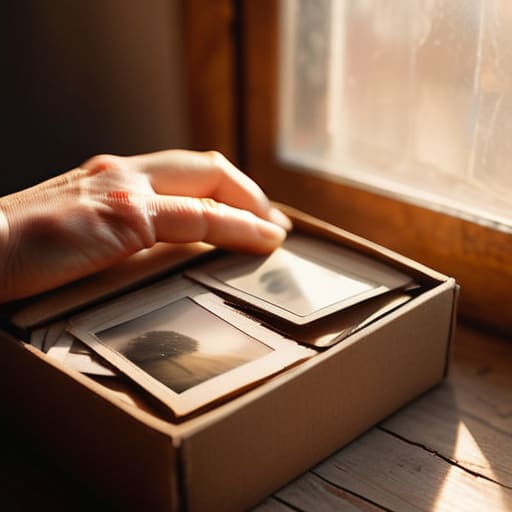

I was sitting on my living room floor last Tuesday, surrounded by a mountain of old high school yearbooks and my grandmother’s chipped ceramic tea sets, feeling completely paralyzed. I looked at the mess and realized I wasn’t just cleaning; I was drowning in a sea of “what ifs” and heavy guilt. We’ve all been told that decluttering sentimental items requires some sort of deep, spiritual journey or a massive budget for high-end storage bins, but honestly? That’s just more noise. Most of the time, the struggle isn’t about the stuff itself—it’s about the fear of losing the memory attached to the object.
I’m not here to sell you on a lifestyle makeover or tell you to toss everything that doesn’t spark immediate joy. I know that’s not how real life works. Instead, I want to share the practical, slightly messy ways I actually get things done without the emotional breakdown. I’m going to give you a straightforward toolkit for decluttering sentimental items that respects your history while reclaiming your physical space. No fluff, no expensive organizers—just real-world strategies to help you keep the memories and lose the clutter.
Breaking the Emotional Attachment to Belongings
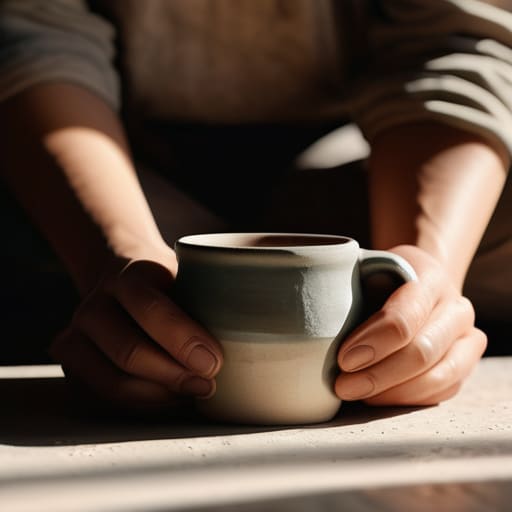
The hardest part isn’t the physical lifting; it’s the mental weight. We often mistake the object for the memory itself, believing that if we toss the chipped ceramic mug from my grandmother, the warmth of her kitchen disappears with it. That’s a trap. This intense emotional attachment to belongings usually stems from a fear of forgetting, but I’ve learned that memories live in us, not in our junk drawers. When we treat every trinket like a sacred relic, we end up suffering from massive decision fatigue in decluttering, paralyzed by the fear of making the “wrong” choice.
To break the cycle, you have to separate the sentiment from the stuff. I like to ask myself: “Does this item actually serve my life today, or am I just guarding a ghost?” If you’re struggling to let go of something truly precious, look into memory preservation techniques like high-quality scanning. Learning how to digitize old photos or even just taking a clear picture of a bulky heirloom allows you to keep the essence of the item without letting it crowd your living room. Once the memory is captured, the physical item loses its grip on you.
Fighting Decision Fatigue in Decluttering
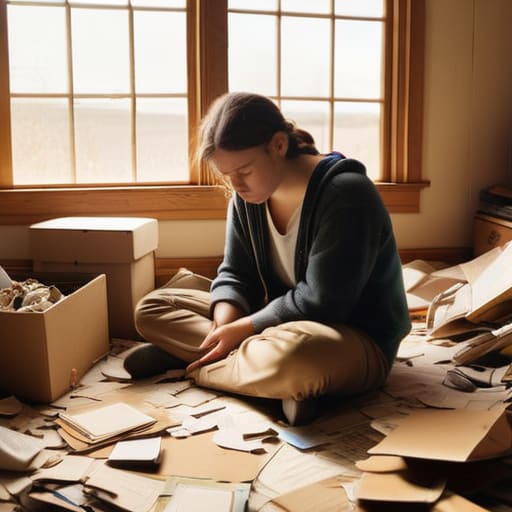
If you’ve ever sat on your living room floor, surrounded by a mountain of old letters and dusty trinkets, feeling completely paralyzed, you aren’t alone. That heavy, foggy feeling is exactly what I call decision fatigue in decluttering. When every single object carries a story, your brain starts working overtime to process the grief, the nostalgia, and the guilt all at once. Eventually, your mental battery hits zero, and you end up just sitting there, staring at a box of old high school yearbooks, unable to make a single choice.
To fight this, I’ve learned that you have to stop treating every item like a high-stakes legal decision. Instead of trying to tackle the entire attic in one weekend, set a timer for just twenty minutes. Focus on one small category—maybe just old greeting cards or a single drawer of keepsakes. If you find yourself spiraling into a loop of minimalism and emotional baggage, step away. Grab a coffee, walk outside, and come back later. The goal isn’t to finish the whole house today; it’s just to make a few small, manageable decisions without burning yourself out.
Five Ways to Lighten the Load Without Losing the Heart
- Take a photo instead of keeping the object. If it’s a bulky heirloom or a souvenir that’s just collecting dust, snap a high-quality photo of it. You get to keep the visual memory without the physical footprint, and honestly, a digital album is much easier to scroll through than a box of knick-knacks.
- Use the “One-In, One-Out” rule for memories. If you decide to bring a new sentimental piece into your daily life—like a vintage vase you actually intend to use—make a conscious choice to let go of something else that serves the same emotional purpose. It keeps the momentum from turning into a hoard.
- Create a “Maybe” box. If you’re staring at something and feeling that immediate knot in your stomach, don’t force a decision. Put it in a box, tape it up, and stick it in the garage or a closet. If you haven’t thought about those items in six months, you have your answer.
- Focus on the “Story,” not the “Stuff.” When you’re looking at an item, ask yourself: “Is this the object that holds the memory, or is the memory inside me?” Most of the time, the story is safe in your head. You don’t need the chipped ceramic plate to remember your grandmother’s kitchen.
- Curate a “Memory Box” with strict boundaries. Instead of letting sentimental items bleed into every room of your house, designate one beautiful, sturdy container. Once that box is full, it’s full. This forces you to be intentional about which pieces truly deserve the prime real estate in your home.
The Memory Trap
“A memory doesn’t live in a dusty box of old papers or a chipped ceramic figurine; it lives in you. Don’t let the physical weight of things you no longer use bury the very life you’re trying to celebrate.”
Elena Vance
Finding Your Balance
At the end of the day, decluttering sentimental items isn’t about erasing your history; it’s about deciding which parts of it deserve to take up physical space in your current life. We’ve talked about untangling those heavy emotional knots and, more importantly, how to stop letting decision fatigue paralyze you mid-process. Remember, you don’t have to tackle the entire attic in one weekend. Whether you choose to digitize old photos, pass a family heirloom down to a relative who will actually use it, or simply let go of that dusty trinket, the goal is to move from a state of being overwhelmed to a state of intentional living.
I know it feels heavy sometimes. I’ve sat on my living room floor surrounded by boxes of my father’s old tools, feeling like I was throwing away a piece of him every time I reached for the trash bag. But I’ve learned that the memory lives in me, not in the clutter. When you clear out the excess, you aren’t losing the past—you are making room for the present. So, take a deep breath, grab your notebook, and just start with one small drawer. You’ve got this, and I promise, the lightness you feel on the other side is worth every difficult decision.


I believe that a well-run home shouldn't require a PhD or a massive budget. My goal is to strip away the complexity so you can focus on actually living in your space. Let's keep things practical, efficient, and genuinely useful.
View All Articles