

I’m so tired of seeing “gratitude” sold as some expensive, high-maintenance lifestyle brand that requires silk pillows and a dedicated meditation room. Honestly, if I see one more influencer telling me I need a gold-leafed journal and a sunrise ritual to find peace, I might actually lose it. You don’t need a subscription service or a perfectly curated aesthetic to learn how to practice gratitude; in fact, the more complicated people make it, the faster it becomes just another chore on an already overflowing to-do list. Real gratitude isn’t about performing for a camera; it’s about noticing the small things that actually work when everything else feels like it’s falling apart.
I’m not here to give you a lecture or a list of lofty, impossible goals. Instead, I want to share the stripped-back, practical methods I use to stay grounded when my freelance projects pile up and my latest furniture restoration project goes sideways. I’m going to show you how to integrate appreciation into your existing routine without adding any extra clutter to your brain. Let’s keep this simple, efficient, and—most importantly—actually useful for your real, messy life.
Low Effort Benefits of Gratitude Journaling for Busy People

Look, I get it. When your calendar is a Tetris board of deadlines and errands, the last thing you want is another “task” on your list. But here’s the thing: journaling doesn’t have to be a deep, hour-long spiritual journey. Even if you only scribble three things on a post-it note while your coffee brews, you’re tapping into the mental health benefits of thankfulness without the heavy lifting. It’s about shifting your internal lens from “what’s broken” to “what’s working,” which is a total game-changer for your stress levels.
The real magic happens when you realize that these tiny moments of reflection act as a buffer against burnout. By making this a habit, you’re essentially cultivating a positive mindset through sheer consistency rather than intensity. You aren’t trying to rewrite your entire life story; you’re just giving your brain a much-needed break from the constant problem-solving mode. It’s low-effort, high-reward, and—most importantly—it actually fits into a busy schedule.
Simple Daily Mindfulness Exercises That Actually Work
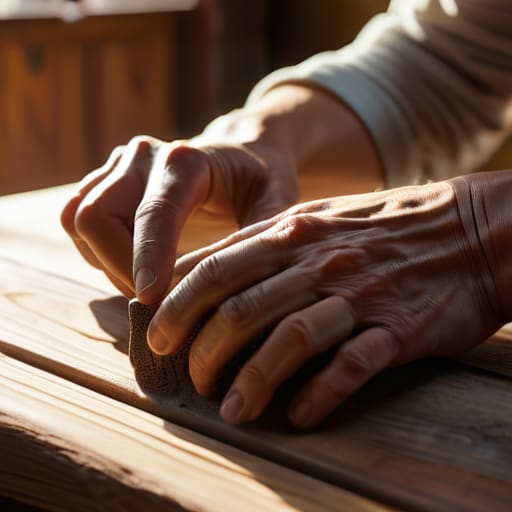
If you’re anything like me, the idea of sitting cross-legged on a cushion for twenty minutes sounds more like a chore than a way to relax. I don’t have the bandwidth for that. Instead, I’ve found that the most effective daily mindfulness exercises are the ones that hitch a ride on things I’m already doing. For example, when I’m working on a furniture restoration project or even just washing the dishes, I try to focus entirely on the sensory details—the smell of the wood oil or the warmth of the water. It’s a way of anchoring yourself in the present moment without needing a dedicated “zen” hour.
Another way I manage to stay centered is through micro-moments of observation. While I’m waiting for my coffee to brew, I take thirty seconds to just notice the light coming through the window or the sound of the neighborhood waking up. These tiny pauses are part of cultivating a positive mindset because they break the cycle of mental clutter. You aren’t trying to change your whole life; you’re just learning how to stay mindful and grateful in the small, messy gaps of your day.
Five Ways to Make Gratitude Stick (Without Making it a Chore)
- Use your existing habits as anchors. Don’t try to carve out “meditation time” if you’re already stretched thin; instead, try thinking of one thing you’re thankful for while your coffee brews or while you’re waiting for a file to upload.
- Keep a “win” list in that notebook you already carry. Instead of a formal journal, just jot down one small thing that went right during the day—like finding a great tool at a garage sale or finally finishing a tricky project task.
- Focus on the sensory, not just the big stuff. It’s easy to feel ungrateful when life is chaotic, but noticing the warmth of a sunbeam on your desk or the smell of a clean kitchen can ground you instantly.
- Stop waiting for the “perfect” moment. Gratitude isn’t a reward for when your life is sorted; it’s a tool to help you navigate the mess. You don’t need a quiet room and incense; you just need a moment of honesty.
- Practice “micro-gratitude” with the people around you. A quick, sincere text to a friend or a “thanks for handling the dishes” to a partner takes ten seconds, but it builds a culture of appreciation in your home that actually lasts.
## Keeping it Real
Gratitude isn’t about forcing a smile when things are falling apart; it’s just about pausing long enough to notice the small things that actually work, like a perfectly brewed cup of coffee or a chair that doesn’t wobble.
Elena Vance
Keeping It Real

At the end of the day, practicing gratitude isn’t about forcing a smile when things are falling apart or buying a leather-bound journal you’ll never actually use. We’ve covered how a few quick minutes of journaling can clear your head, and how simple mindfulness—like actually tasting your coffee instead of scrolling through emails—can ground you. The goal isn’t to add another massive project to your plate; it’s about finding those tiny, functional moments of appreciation that already exist in your routine. Whether it’s a tool that works perfectly or a quiet house for five minutes, keep it simple and keep it honest.
I know how easy it is to get caught up in the “more” culture—more gadgets, more tasks, more chaos. But I’ve learned through years of managing projects and restoring old furniture that the most meaningful things are often the ones we already have, if we just take a second to look at them. Don’t feel like you have to master this overnight. Just pick one small thing today, acknowledge it, and let that be enough. You don’t need a perfect life to find something worth being thankful for; you just need to strip away the noise and focus on what’s actually working.


I believe that a well-run home shouldn't require a PhD or a massive budget. My goal is to strip away the complexity so you can focus on actually living in your space. Let's keep things practical, efficient, and genuinely useful.
View All Articles