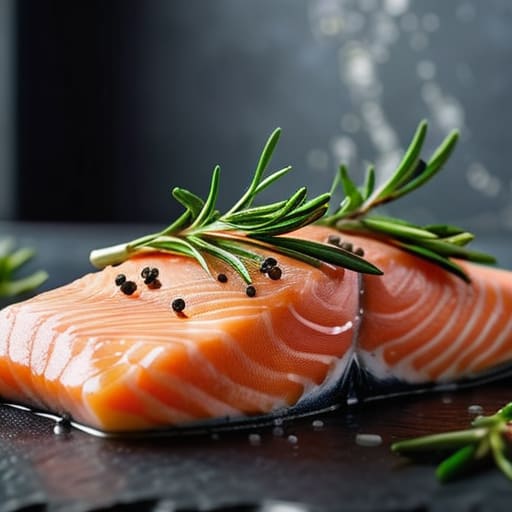

I used to think that learning how to cook fish meant I needed a professional-grade kitchen, a thermometer for every single fillet, and a willingness to spend forty dollars on a piece of salmon that would end up tasting like cardboard anyway. I remember standing in my old corporate kitchen, staring at a piece of sea bass like it was a complex project management spreadsheet I couldn’t quite crack, terrified that one wrong move would leave me with a dry, expensive mess. Honestly, the culinary world loves to make seafood feel intimidating, but most of that high-end hype is just noise designed to make you feel like you aren’t “ready” for a simple dinner.
Here is my promise to you: we are going to strip away the pretension and the complicated jargon. I’m not interested in five-star plating or ingredients you can’t find at your local grocer; I want to show you the practical, repeatable methods that actually work when you’re tired and just want a decent meal. By the time we’re done, you’ll know exactly how to handle different textures and heat levels so you can stop overthinking the process and start actually enjoying your food.
Choosing the Right Types of Fish for Beginners
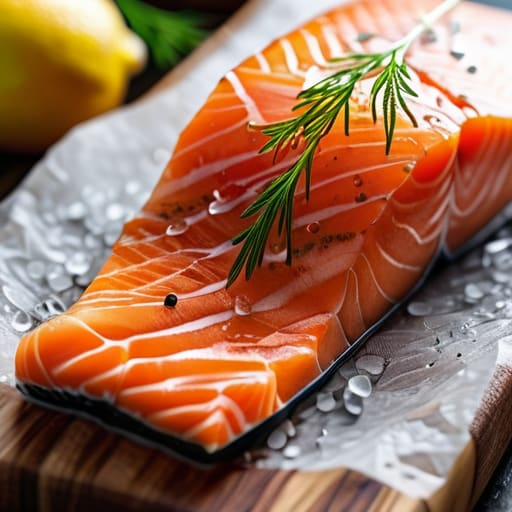
When you first walk into the seafood counter, the sheer variety can feel a bit paralyzing. My advice? Don’t try to tackle anything exotic or intimidating right out of the gate. Instead, stick to the types of fish for beginners that are forgiving and have a mild flavor profile. Salmon is my absolute go-to; it’s fatty, which means it stays moist even if you accidentally leave it on the heat a minute too long. Cod or halibut are also fantastic options if you prefer something white and flaky. These species are much more “user-friendly” because they don’t require surgical precision to taste good.
I’ve learned the hard way that the texture of the fish dictates how you approach the stove. If you’re working with a firmer fillet, you can experiment with more aggressive pan searing fish techniques to get that beautiful, golden crust without the middle falling apart. If you’re nervous about the timing, just remember that most beginner-friendly fillets cook incredibly fast. Once you get the hang of the basics, you’ll realize that you don’t need a culinary degree to make a professional-grade meal in your own kitchen.
The Best Way to Season Fish Without Overdoing It
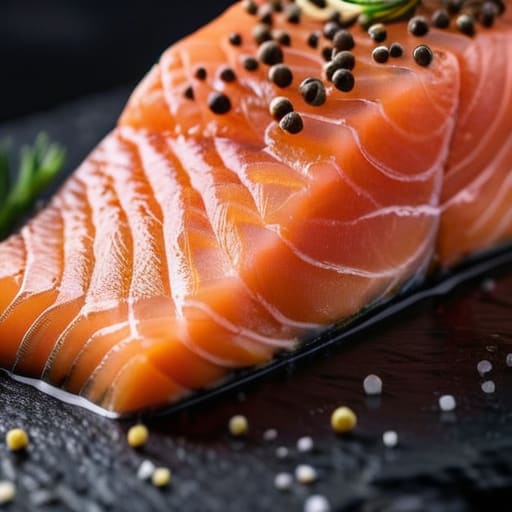
Look, I’ve seen too many people ruin a perfectly good fillet by burying it under a mountain of garlic powder and dried herbs. When you’re working with something as delicate as seafood, less is almost always more. The best way to season fish is to let the natural flavor do the heavy lifting. Start with a generous pinch of kosher salt and a crack of fresh black pepper. If you’re feeling a bit more adventurous, a tiny squeeze of lemon or a light dusting of smoked paprika can add depth without masking the sweetness of the meat.
Once you’ve got your seasoning down, focus on the heat. If you’re using pan searing fish techniques, remember that moisture is your enemy. Pat your fish bone-dry with a paper towel before it hits the oil; this is the secret to preventing fish from sticking to the pan and ensuring you get that beautiful, golden crust. Don’t move it around too much—let it sit, let it sear, and trust the process. If you respect the ingredients, they’ll respect you back.
Five Rules to Keep You From Ruining Dinner
- Pat it dry. I can’t stress this enough—take a paper towel and press it firmly against the fish before it hits the pan. If the surface is wet, you aren’t searing it; you’re steaming it, and that’s how you end up with a mushy mess.
- Master the “flake test.” Don’t go hunting for a meat thermometer unless you really want to. Just take a fork and gently press the thickest part of the fillet. If it separates easily along the natural lines, it’s done.
- Don’t touch it. Once that fish hits the hot oil, leave it alone. If you keep poking at it or trying to flip it too early, the skin will stick to the pan and tear right off. Wait until it’s naturally releasing from the heat.
- Watch your heat. Most people turn the stove up to high because they’re in a rush, but fish is delicate. Medium-high is your sweet spot for a good crust without burning the outside while the middle stays raw.
- Use the residual heat. Fish keeps cooking for a minute or two even after you take it off the pan. Pull it off the heat just a hair before you think it’s “perfect,” and it’ll settle into that ideal texture while it rests on the plate.
Keep It Simple
“You don’t need a culinary degree or a pantry full of exotic spices to make a great piece of fish; you just need a hot pan, a little salt, and the confidence to stop cooking the moment it looks perfect.”
Elena Vance
Don't Let the Fear of Failure Keep You From the Plate
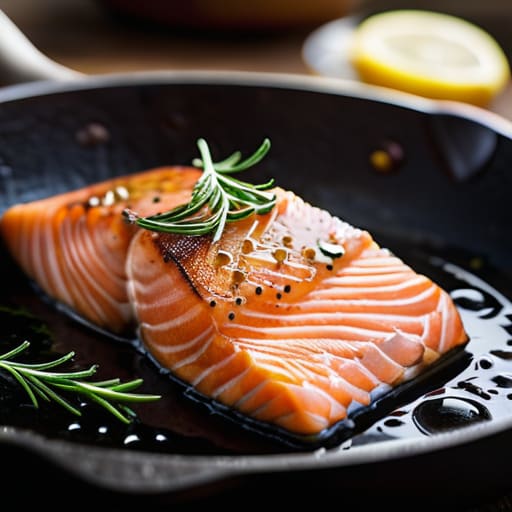
At the end of the day, cooking fish isn’t about mastering some complex culinary technique or owning a kitchen full of expensive gadgets. It’s really just about making smart choices: picking a fresh piece of fillet that looks good to you, keeping your seasoning simple so you can actually taste the quality, and watching the clock (or your fork) closely. If you remember to get that pan hot and avoid the temptation to drown everything in heavy sauces, you’re already ahead of most people. Just remember that simplicity is your best friend when you’re working with something as delicate as seafood.
I know it can feel intimidating the first few times you try it, especially when you’re tired after a long day and just want a decent meal. But please, don’t let the fear of a slightly overcooked fillet stop you from trying. Even if it isn’t perfect the first time, you’ll learn more from that one “oops” moment than you ever would from reading another recipe online. Cooking should be a way to fuel your life, not another stressful item on your to-do list. So, grab a piece of salmon, get in there, and just start cooking. You’ve got this.


I believe that a well-run home shouldn't require a PhD or a massive budget. My goal is to strip away the complexity so you can focus on actually living in your space. Let's keep things practical, efficient, and genuinely useful.
View All Articles