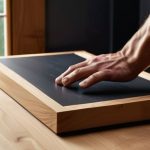

I was halfway through stripping a vintage teak sideboard last month when the smell hit me—that heavy, cloying scent of old varnish and dust that seems to cling to the back of your throat. It was a sharp reminder that we spend ninety percent of our lives inside, yet we rarely stop to think about what we’re actually breathing. Most “experts” will try to sell you a $500 high-tech air purifier or a complicated system of expensive sensors just to solve the problem, but honestly? That’s usually just expensive noise. Learning how to improve indoor air quality shouldn’t feel like a science experiment or a massive drain on your bank account.
I’m not here to pitch you on gadgets you don’t need or lifestyle changes that are impossible to maintain. Instead, I want to share the practical, low-maintenance shifts I’ve learned through years of DIY projects and managing a busy home. We’re going to look at simple habits, smart swaps, and a few common-sense tweaks that actually work. My goal is to help you clear the air so you can stop worrying about the invisible stuff and just get back to living in your space.
Tackling Common Indoor Air Pollutants Without Breaking the Bank
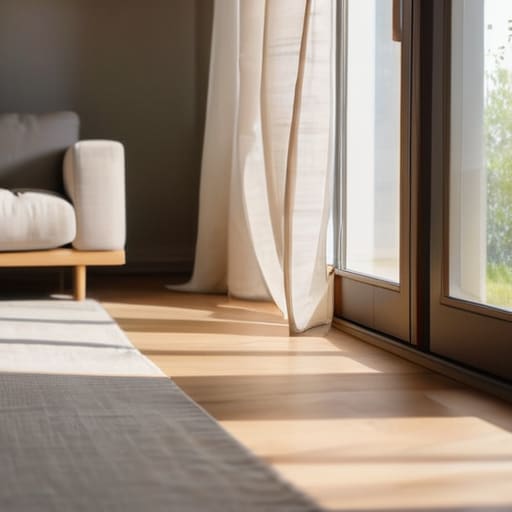
We don’t need to spend a fortune on high-tech gadgets to see a difference in how our homes feel. Most of the time, the culprits are just sitting right there in plain sight—dust bunnies under the sofa, lingering cooking smells, or even those scented candles we love but shouldn’t overdo. One of the easiest ways to start is by focusing on reducing household allergens through simple habits, like swapping out heavy, dust-trapping drapes for lighter fabrics or giving your vacuum a thorough cleaning.
If you do decide to invest a little, don’t feel pressured to buy the most expensive model on the market. While the HEPA air purifier benefits are well-documented for trapping fine particles, a mid-range unit is often more than enough to clear the air in a bedroom or home office. Beyond that, I’m a big believer in the power of a cross-breeze. Using basic ventilation techniques for home—like opening windows on opposite sides of the house for just fifteen minutes a day—can do wonders for flushing out stale air without costing you a single cent.
Smart Ventilation Techniques for Home to Keep Air Moving
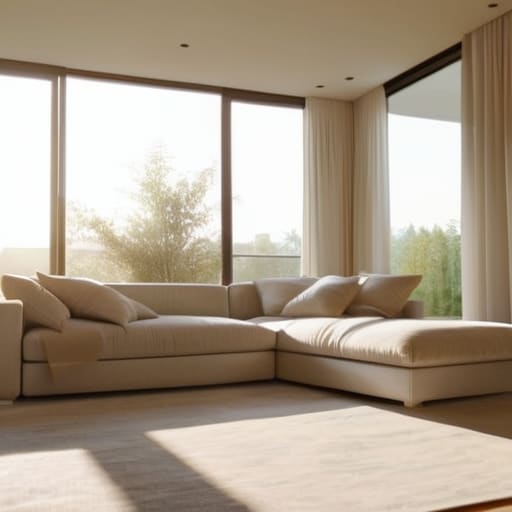
If you’re anything like me, you probably tend to keep your windows shut tight to keep the AC in or the heat from escaping. But here’s the thing: stagnant air is where the real trouble starts. One of the most effective ventilation techniques for home is actually the simplest one—just opening a window. I try to do a “cross-breeze” every morning for about fifteen minutes. By opening windows on opposite sides of the house, you create a natural draft that flushes out stale air and prevents those common indoor air pollutants from settling into your upholstery.
It’s also worth keeping an eye on your bathroom and kitchen fans. I used to ignore them, but I’ve learned that managing the impact of humidity on air quality is non-negotiable. Running your exhaust fan while showering or cooking doesn’t just prevent that damp, musty smell; it stops mold from taking hold in the first place. If you can’t get a good breeze going, even a small desk fan pointed toward an open window can do wonders to keep the air moving without costing you a dime in electricity.
Five Small Changes That Make a Big Difference
- Ditch the synthetic scents. I used to love those heavy, plug-in air fresheners, but they’re basically just a cocktail of chemicals. If you want your home to smell good, try a simple stovetop simmer with some lemon peels and rosemary instead.
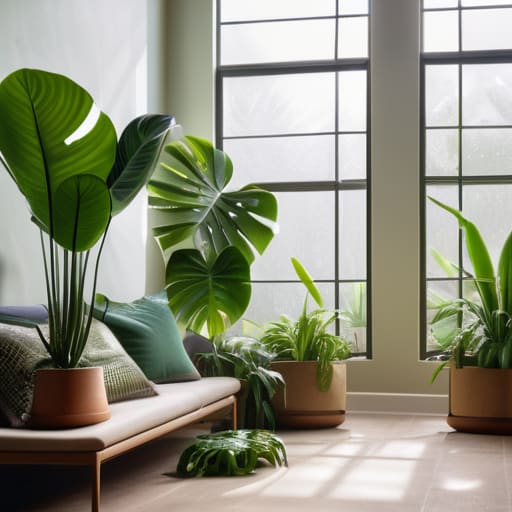
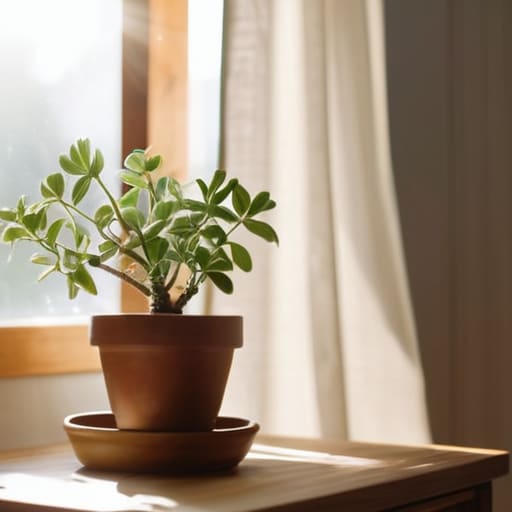
- Keep your plants working for you. You don’t need an indoor jungle, but a few hardy varieties like Snake Plants or Peace Lilies act as natural, low-maintenance filters that help scrub the air while looking great on a shelf.
- Stop the dust at the door. It sounds basic, but a good heavy-duty doormat and a “shoes-off” policy in the house prevents a massive amount of pollen, pesticides, and street grime from being tracked into your living space.
- Clean your filters regularly. Whether it’s your HVAC system or a standalone air purifier, those filters are doing the heavy lifting. If they’re clogged with gray fuzz, they aren’t cleaning anything—they’re just wasting energy. Check them once a month.
- Be mindful of your cleaning supplies. You don’t need a specialized “eco-friendly” brand for everything, but try to avoid heavy aerosols. A simple mix of white vinegar and water in a reusable spray bottle handles most surfaces without filling your lungs with fumes.
The Reality of Breathing Better
“We often think we need expensive, high-tech gadgets to fix our homes, but clean air isn’t about buying more stuff—it’s about making smarter, simpler choices with the things we already have.”
Elena Vance
Small Steps, Clearer Air
At the end of the day, improving your air quality doesn’t mean you need to overhaul your entire house or invest in a high-tech filtration system that costs more than your mortgage. It’s really about the small, intentional shifts we make in our daily routines—like opening a window for ten minutes a day, swapping out harsh chemical cleaners for something more natural, and simply keeping on top of the dust. We’ve covered how to tackle those sneaky pollutants and how to keep the air moving through smart ventilation, and honestly, that’s eighty percent of the battle right there. If you can manage those few basic habits, you’re already doing more than most.
I know how easy it is to look at a list of “home improvements” and feel immediately buried under the weight of it all. But remember, your home is meant to be your sanctuary, not another project on an endless to-do list that leaves you feeling drained. You don’t have to do everything at once; just pick one thing from this list and start there. Once that feels easy, move on to the next. My goal is to help you reclaim your space so you can actually breathe easy and get back to the things that matter. You’ve got this.


I believe that a well-run home shouldn't require a PhD or a massive budget. My goal is to strip away the complexity so you can focus on actually living in your space. Let's keep things practical, efficient, and genuinely useful.
View All Articles