

I was sitting at my kitchen table last Tuesday, staring at a “healthy” granola bar wrapper, when I realized I’d just read a list of ingredients that looked more like a chemistry textbook than actual food. It’s exhausting, isn’t it? Every time you try to figure out how to reduce sugar in your diet, you’re met with these expensive, over-hyped “superfoods” or complicated meal plans that require a PhD just to navigate the grocery aisle. I’m so tired of the wellness industry acting like cutting back on sweets has to be a full-time job or a massive financial burden.
I’m not here to sell you on a lifestyle overhaul that leaves you feeling deprived and frustrated. Instead, I want to share the practical, low-stress methods I use to keep my energy steady without losing my mind. We’re going to focus on simple, realistic swaps and small tweaks to your existing routine that actually stick. My goal is to strip away the noise and give you a straightforward toolkit so you can manage your health without the overwhelm.
Spotting Hidden Sugars in Processed Foods Fast
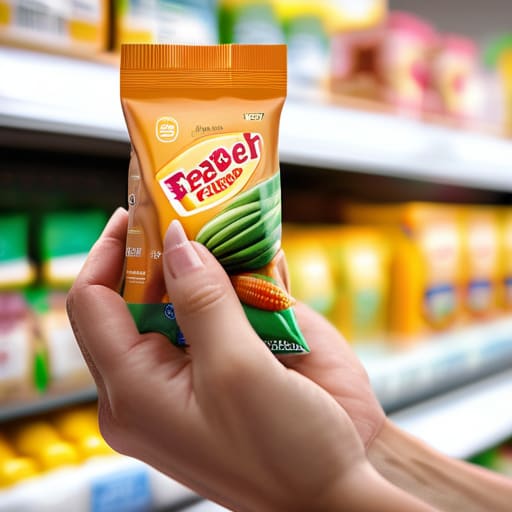
The trickiest part isn’t the obvious stuff—it’s the stuff hiding in plain sight. I used to think I was doing great because I wasn’t eating dessert, but then I realized my “healthy” yogurt and granola bars were basically candy bars in disguise. To get ahead of this, you have to get comfortable with reading nutrition labels for sugar content every single time you shop. Don’t just look at the “Total Sugars” line; flip the package over and scan the ingredient list. If you see words ending in “-ose”—like fructose, dextrose, or maltose—or things like agave nectar and corn syrup, you’re looking at a sugar bomb.
It’s also helpful to watch out for “low-fat” marketing. When manufacturers strip out fat, they almost always replace it with extra sugar to keep the flavor from being totally bland. I’ve learned to look for whole, recognizable ingredients instead of a chemistry textbook’s worth of additives. If the list is a mile long and you can’t pronounce half the items, it’s probably best to leave it on the shelf.
Smart Ways to Start Reading Nutrition Labels for Sugar Content
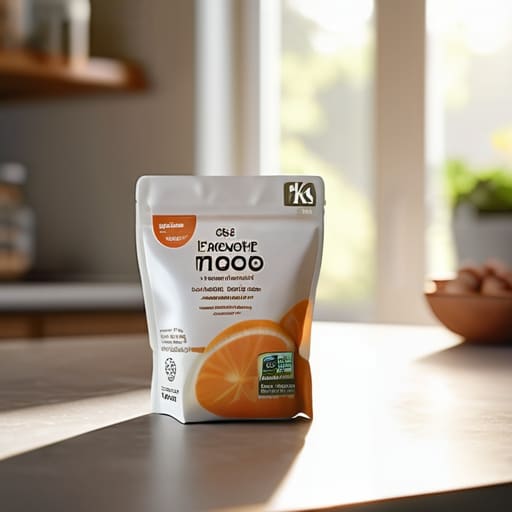
Now, I know looking at the back of a box can feel like doing homework after a long day, but a little bit of detective work goes a long way. When you’re reading nutrition labels for sugar content, don’t just scan for the word “sugar” at the bottom. Manufacturers are clever; they’ll use names like maltodextrin, barley malt, or agave nectar to disguise what’s actually inside. My rule of thumb? Look at the total grams of “Added Sugars” rather than just the total carbohydrates. That little distinction tells you exactly how much of that sweetness was manufactured in a factory versus what occurred naturally in the ingredient itself.
If a product has a long list of ingredients you can’t pronounce, it’s usually a red flag. I’ve learned that the shorter the list, the better the control you have over your health. Instead of getting discouraged by the math, try to focus on finding low glycemic index foods that won’t send your energy levels on a rollercoaster. It isn’t about being perfect or counting every single grain; it’s about making smarter, more intentional choices one grocery trip at a time.
Small, Realistic Swaps That Actually Stick
- Don’t go cold turkey on your morning coffee; instead of loading up on flavored syrups, try adding a dash of cinnamon or a splash of vanilla extract to get that sweetness without the sugar crash.
- Swap out those sugary breakfast cereals for something more substantial like overnight oats or Greek yogurt, and throw in some fresh berries for flavor—it keeps you full much longer.
- When you’re feeling that mid-afternoon slump, reach for a handful of nuts or a piece of fruit rather than grabbing a granola bar, which is often just a candy bar in disguise.
- If you’re a soda lover, try transitioning to sparkling water with a squeeze of lime or a few muddled berries; you still get the fizz, but without the liquid sugar.
- Focus on “crowding out” the bad stuff rather than just restricting it—fill your plate with more proteins and healthy fats, and you’ll naturally find you have less room (and less craving) for the sugary extras.
## The Real Goal
“Reducing sugar isn’t about deprivation or following some impossible, clinical diet; it’s just about making small, intentional swaps so you can stop feeling like your energy is on a constant rollercoaster.”
Elena Vance
Making It Stick Without the Stress
At the end of the day, cutting back on sugar isn’t about perfection or following some grueling, restrictive regime that leaves you feeling miserable. It’s really just about awareness—learning to spot those sneaky additives in your favorite snacks and getting comfortable with the nutrition label so you aren’t flying blind. Remember, you don’t have to overhaul your entire pantry overnight. Start by making those small, intentional swaps we talked about, like choosing whole fruits over juice or opting for plain yogurt instead of the pre-sweetened stuff. The goal is to build better habits through consistency, not through sheer willpower.
I know how overwhelming it can feel when you’re staring at a grocery aisle full of colorful, high-sugar marketing traps, but I promise you can navigate this. Think of it like restoring an old piece of furniture; you don’t sand it all down in one go, you just work steadily until the real beauty underneath starts to show. Be patient with yourself on the days when you slip up, and just focus on making the next better choice. You’ve got this, and your body will definitely thank you for the extra effort in the long run.


I believe that a well-run home shouldn't require a PhD or a massive budget. My goal is to strip away the complexity so you can focus on actually living in your space. Let's keep things practical, efficient, and genuinely useful.
View All Articles