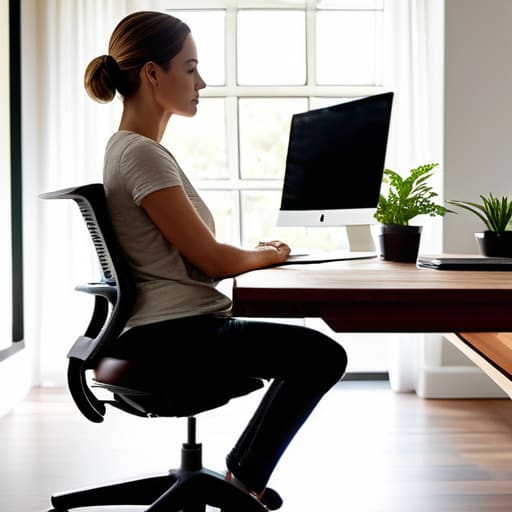

I was hunched over a mid-century sideboard last Tuesday, trying to sand down a stubborn layer of old lacquer, when I felt that familiar, sharp twinge in my upper back. It’s that telltale sign that I’ve spent too many hours leaning into my work—or my hobbies—without thinking. Most people will tell you that learning how to improve your posture requires an expensive ergonomic chair or a subscription to a boutique yoga studio, but honestly? That’s just marketing fluff. We don’t need more gear; we need better habits that actually fit into a busy, real-world schedule.
I’m not here to sell you a lifestyle overhaul or a piece of furniture that costs more than my monthly grocery bill. Instead, I want to share the practical, low-effort tweaks I’ve learned through years of juggling freelance projects and DIY restorations. We’re going to focus on small, sustainable adjustments to your workspace and your daily movement that actually work. No fluff, no PhD required—just straightforward ways to help you stand a little taller and feel a lot better by the end of the day.
Spotting the Signs of Poor Spinal Alignment

Before we dive into the fixes, we need to figure out what we’re actually up against. Most of us don’t wake up one day with a literal “bad back,” but rather a slow, creeping realization that our bodies feel… off. You might notice you’re constantly rubbing the base of your skull or feeling a dull ache between your shoulder blades by 3:00 PM. These are classic signs of poor spinal alignment that we often brush off as just “being tired,” but your body is actually sending you a distress signal.
Pay close attention to how you look in a mirror—not to judge, but to observe. Are your ears sitting way ahead of your shoulders? Do you feel like you’re constantly leaning forward to see your laptop screen? This is often a result of unconscious slouching that happens when we get deep into a project. If you find yourself frequently searching for stretches for neck pain relief just to get through the afternoon, your alignment is likely struggling to keep up with your lifestyle. Recognizing these small cues is the first step toward making real changes.
Correcting Rounded Shoulders Without Expensive Gear

If you’re anything like me, you’ve probably spent hours hunched over a laptop, only to realize your chest feels tight and your shoulders are practically touching your ears. The good news is that correcting rounded shoulders doesn’t require a boutique gym membership or a pile of expensive foam rollers. Most of the time, it’s just about undoing the “hunch” we fall into during the workday.
I like to start with a simple doorway stretch. Stand in a frame, place your forearms on either side of the molding, and gently lean forward. It’s a tiny movement, but it opens up those tight chest muscles that pull you forward. From there, I swear by “wall slides.” Stand with your back against a flat surface and slowly slide your arms up and down like you’re making a snow angel. It’s one of the most effective posture exercises for desk workers because it forces your upper back to wake up. You don’t need a fancy routine; you just need to consistently remind your body that it was designed to stand tall, not curl into a ball.
5 Small Tweaks to Stop the Slump
- Set a “body check” timer on your phone for every hour. When it goes off, don’t just sit there—roll your shoulders back, tuck your chin slightly, and take one deep breath. It’s not about perfection; it’s just about breaking that frozen, hunched-over state we all fall into.
- Fix your screen height without buying a new monitor. If you’re working on a laptop, prop it up on a stack of those old coffee table books you never use. Your eyes should be level with the top third of the screen so you aren’t constantly looking down at your lap.
- Use a simple rolled-up towel for lumbar support. You don’t need a $500 ergonomic chair to feel better. Just grab a hand towel, roll it up, and tuck it into the small of your back when you’re sitting. It forces your spine into a more natural curve.
- Strengthen your “pulling” muscles with basic movements. We spend all day doing “pushing” motions—typing, driving, reaching. Try adding some simple doorway stretches or even just squeezing your shoulder blades together like you’re trying to hold a pencil between them. It wakes up the muscles that keep you upright.
- Watch your phone habits. We’ve all seen the “tech neck” look, and it’s real. Instead of curling your whole body around your phone in your hands, bring the phone up to eye level. It feels a little silly at first, but your neck will thank you by the end of the day.
A Shift in Perspective
“Improving your posture isn’t about achieving some perfect, military-style rigidity; it’s just about making small, intentional adjustments so your body stops fighting against your furniture and starts feeling like home again.”
Elena Vance
Small Changes, Big Impact

At the end of the day, fixing your posture isn’t about buying a high-tech ergonomic chair or signing up for a grueling Pilates bootcamp. It’s about being mindful of those small, daily habits—like noticing when your shoulders start to creep toward your ears or taking thirty seconds to reset your alignment while you’re waiting for the coffee to brew. We’ve looked at how to spot the warning signs of misalignment and how to tackle rounded shoulders using things you already have around the house. Remember, the goal isn’t perfection; it’s simply about making more conscious choices throughout your workday so your body doesn’t pay the price when you finally sit down to relax.
I know how easy it is to feel like you’ve already “done too much damage” to fix things, but your body is incredibly resilient if you just give it a little grace. Don’t try to overhaul your entire lifestyle overnight. Just pick one thing—maybe it’s adjusting your monitor height or doing a quick shoulder stretch every hour—and start there. You deserve to move through your home and your work without feeling constant tension or fatigue. Let’s stop letting our desks dictate how we feel and start reclaiming our comfort, one small adjustment at a time.


I believe that a well-run home shouldn't require a PhD or a massive budget. My goal is to strip away the complexity so you can focus on actually living in your space. Let's keep things practical, efficient, and genuinely useful.
View All Articles