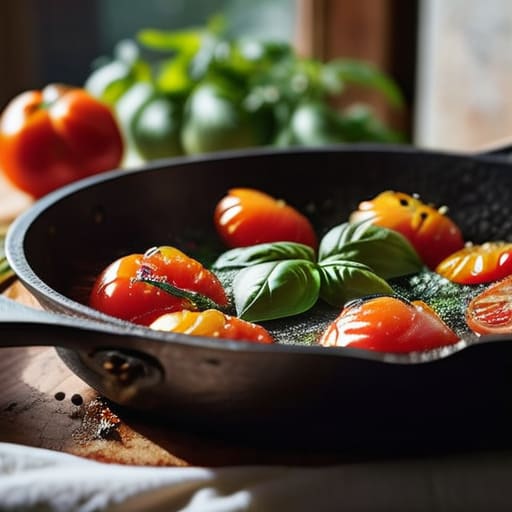

I remember standing in my kitchen a few years ago, staring at a pile of wilted kale, half a jar of sundried tomatoes, and some leftover chicken, feeling completely defeated because I didn’t have a printed guide telling me exactly what to do next. We’ve been conditioned to believe that if we aren’t following a precise, step-by-step manual, we’re somehow failing at dinner. But honestly? That’s a lie that turns cooking into a stressful chore instead of a way to nourish yourself. Learning how to cook without a recipe isn’t about being a gourmet chef; it’s about realizing that the most delicious meals usually happen when you stop obsessing over measurements and start trusting your senses.
I’m not here to give you some flowery, aspirational lecture on culinary arts. My goal is to give you a practical toolkit of logic and intuition so you can look at a random assortment of ingredients and actually feel confident instead of overwhelmed. I’ll show you how to balance flavors and build textures using what you already have in your pantry, stripping away the unnecessary complexity. Let’s get back to the basics of making food that tastes good, stays within your budget, and—most importantly—doesn’t require a PhD to master.
Mastering Flavor Balancing Techniques on the Fly
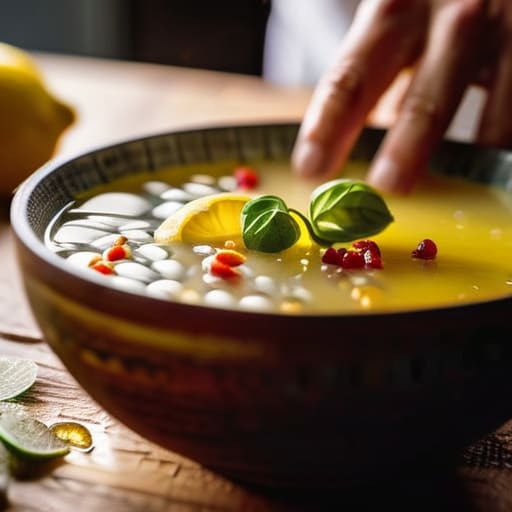
Once you stop staring at the page, you have to start trusting your palate. This is where real kitchen confidence building happens. Instead of measuring out teaspoons, I’ve learned to think in terms of basic profiles: salt, fat, acid, and heat. If a soup tastes “flat,” it usually isn’t missing more salt; it’s likely missing acid. A quick squeeze of lemon or a splash of vinegar can brighten the whole dish instantly. It’s a simple shift, but once you grasp these fundamental flavor balancing techniques, you’ll stop feeling lost when the pantry looks a little bare.
I always keep a small tasting spoon nearby—it’s my most important tool. I take a sip, identify what’s missing, and adjust. Is it too heavy? Add something bright. Too sharp? Add a bit of fat, like butter or olive oil, to mellow it out. This kind of seasoning by taste turns cooking from a rigid set of rules into a conversation between you and the ingredients. It might feel intimidating at first, but I promise, your taste buds are much smarter than any cookbook.
Building Kitchen Confidence Through Sensory Cooking Methods
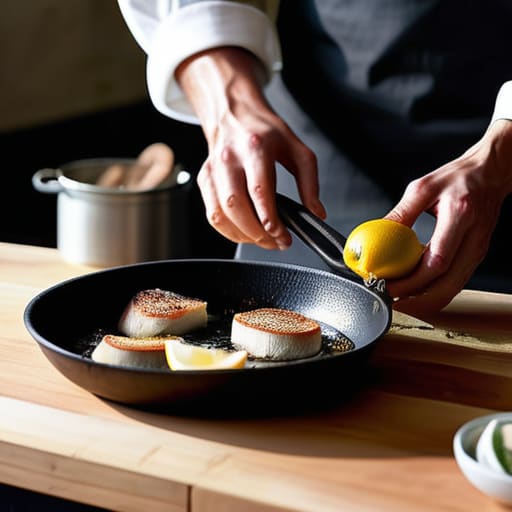
The real secret to moving past the recipe stage isn’t about memorizing a hundred different ingredient lists; it’s about learning to trust your nose and your tongue. I call this sensory cooking methods, and it’s how I stopped feeling paralyzed by a blank pantry. Instead of staring at a cookbook, I start by smelling the aromatics hitting the pan. Is that garlic getting too toasted? Does the sauce need a splash of acid to cut through the richness? When you cook with your senses, you aren’t following a script—you’re having a conversation with the food.
This shift in mindset is the most effective way of kitchen confidence building I’ve ever experienced. It turns a stressful “what if I mess this up?” into a curious “what happens if I add this?” Start small. If a soup feels flat, don’t reach for more salt immediately; try a squeeze of lemon or a dash of vinegar first. Once you realize that you have the power to fix a dish mid-way through, the fear of the unknown just… evaporates. You aren’t just making dinner; you’re learning the language of flavor.
My Five Go-To Rules for Cooking Without a Script
- Start with a solid protein or veggie base and build around it. Whether it’s a chicken breast, a can of chickpeas, or a head of cauliflower, pick your star player first and let everything else be the supporting cast.
- Keep a “flavor toolkit” in your pantry. You don’t need a hundred spices; you just need the essentials—salt, acid (like lemon or vinegar), fat (olive oil or butter), and heat. If a dish tastes flat, it’s usually missing acid or salt.
- Learn the “ratio” method rather than exact measurements. Instead of looking for “two tablespoons of soy sauce per pound of meat,” just learn that a splash of salty liquid usually does the trick. It’s much more intuitive once you get the feel for it.
- Use your nose and your eyes, not just your timer. If the garlic smells like it’s about to turn bitter, pull it off the heat. If the onions look translucent and soft, they’re ready. Your senses are much more reliable than a digital clock.
- Don’t be afraid to pivot mid-stream. If you realize halfway through that you’re making a heavy stew but it feels too thick, add some broth or water. If it’s too bland, hit it with some red pepper flakes. Cooking is a living process, not a rigid set of instructions.
The Secret to Letting Go
“A recipe is just a suggestion, not a set of handcuffs. Once you stop worrying about following the manual and start listening to how your food actually smells and tastes, the kitchen stops being a place of stress and starts being a place where you actually create.”
Elena Vance
Trust Your Gut and Get Cooking
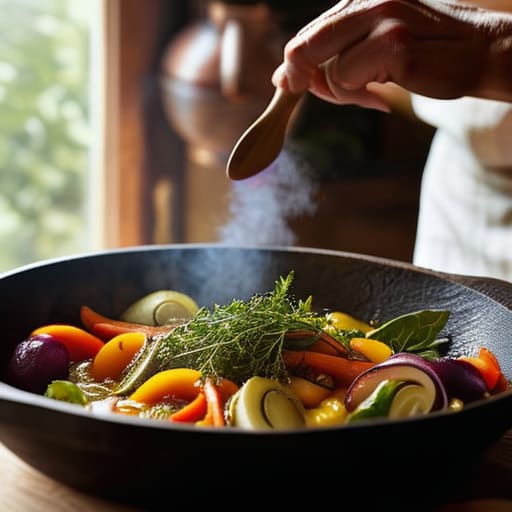
At the end of the day, cooking without a recipe isn’t about mastering complex chemistry; it’s about learning to listen to your ingredients. We’ve covered how to balance those essential flavors—acid, fat, salt, and heat—and how to use your senses to know exactly when a dish is hitting its stride. Once you stop staring at a screen for instructions and start actually tasting what’s in the pan, the kitchen stops feeling like a high-stakes exam and starts feeling like a playground. You don’t need a perfectly stocked pantry or a culinary degree to make something delicious; you just need to trust your instincts and be willing to make a few delicious mistakes along the way.
I know that stepping away from the safety of a printed guide can feel a little daunting at first, especially when you’re tired after a long day. But I promise you, the freedom you gain is worth the initial uncertainty. Cooking should be a way to nourish yourself and your family, not another item on your overwhelming to-do list that requires perfect execution. So, next time you open the fridge and see a random assortment of vegetables and a half-empty jar of spices, don’t reach for your phone. Just grab a pan, stay curious, and enjoy the process. You’ve got this.


I believe that a well-run home shouldn't require a PhD or a massive budget. My goal is to strip away the complexity so you can focus on actually living in your space. Let's keep things practical, efficient, and genuinely useful.
View All Articles