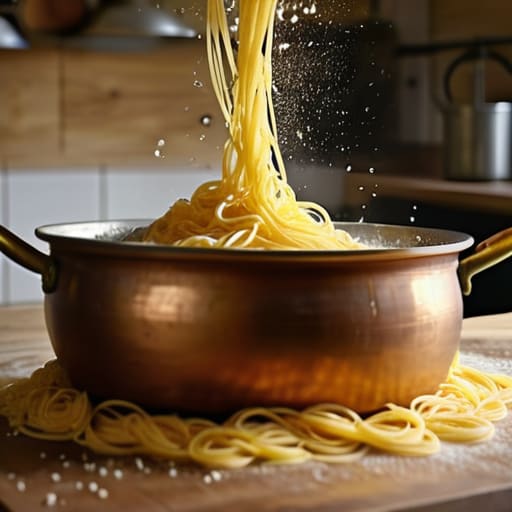

I used to think that mastering the kitchen meant buying every specialized gadget on the market, but honestly, most of it is just noise. I remember standing in my old corporate kitchen, staring at a box of expensive, artisanal bronze-cut pasta and feeling completely defeated because I couldn’t figure out how to cook pasta perfectly without it turning into a gummy, unappetizing mess. We’ve been sold this idea that you need a culinary degree or a kitchen full of high-tech thermometers just to boil water, and frankly, it’s exhausting.
I’m not here to give you a lecture or suggest you spend fifty dollars on “specialty” sea salt. My goal is to strip away the kitchen intimidation and give you the actual, repeatable mechanics that work every single time. I’m going to show you the few essential tweaks—the stuff that actually matters—so you can stop stressing over the timer and start actually enjoying your dinner. Let’s keep it simple, efficient, and most importantly, delicious.
Why Salting Pasta Water Importance Isnt Just a Myth
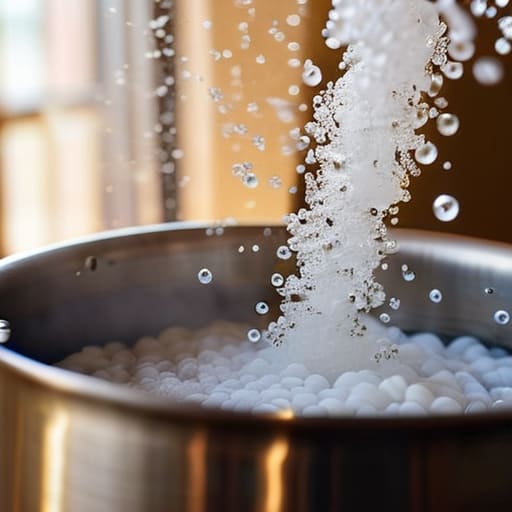
I used to think that adding salt to the pot was just a way to make the water taste better, but it turns out there’s actual science at play here. When you’re talking about salting pasta water importance, it’s not just about seasoning the surface; it’s about seasoning the dough from the inside out. If you wait until the pasta is on your plate to add salt, you’re just masking the flavor. By getting it right in the pot, you ensure every single bite has that foundational savory note that makes a simple meal feel complete.
Beyond the flavor, salt plays a subtle role in how the starch behaves. It helps maintain the structural integrity of the noodle, which is one of my favorite avoiding mushy pasta tips. When the water is properly seasoned, the pasta holds its shape better as it hits that perfect al dente bite. It’s the difference between a noodle that feels limp and one that has a satisfying, firm “snap” to it. Trust me, once you start treating your boiling water like a seasoned broth, you’ll never go back to plain, bland water again.
Mastering Boiling Water Temperature for Pasta Every Time
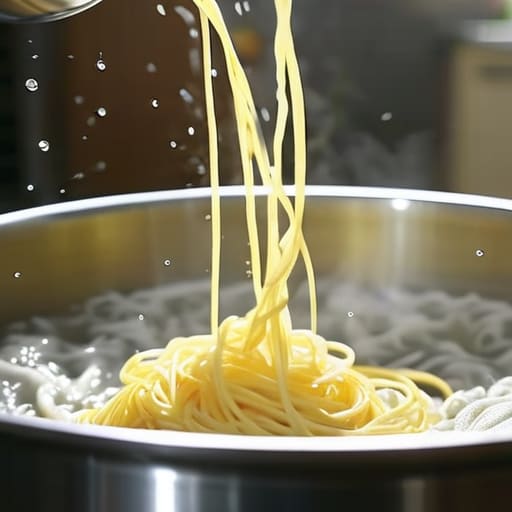
Now, let’s talk about the actual heat. I used to think that as long as the water was bubbling, I was doing it right, but there’s a subtle science to the boiling water temperature for pasta that actually makes a massive difference in texture. You want a vigorous, rolling boil—not just a few lazy bubbles breaking the surface. If the temperature is too low when you drop the noodles in, they tend to sit in lukewarm water for too long, which is one of the fastest ways to end up with a gummy mess.
I always aim for that high, consistent heat to ensure the starch gelatinizes properly right from the jump. This is a crucial part of avoiding mushy pasta tips that I swear by: if you keep the heat high and the water moving, the pasta stays distinct and firm. Once you hit that sweet spot, you’ll notice the water gets slightly cloudy; that’s not a mistake, it’s actually the starch working its magic. Just keep a close eye on the clock and start tasting a minute or two before the package instructions suggest.
My Five Golden Rules for Pasta That Doesn't Suck
- Stop draining the water down the sink. That cloudy, starchy liquid is liquid gold; keep a mugful aside to loosen your sauce later.
- Test your pasta a minute or two before the box says it’s done. You want that slight “bite” in the center—what the pros call al dente—because it’ll keep cooking once it hits the pan.
- Never, ever rinse your pasta with cold water unless you’re making a cold pasta salad. Rinsing washes away the starch that helps the sauce actually stick to the noodles.
- Treat your sauce like a partner, not an afterthought. Toss the pasta directly into the sauce pan to finish the last minute of cooking so they actually become one cohesive dish.
- Use a big pot. I know it seems like overkill, but you need enough room for the pasta to dance around so it doesn’t clump together into one giant, gummy brick.
## The Secret is Simplicity
“You don’t need a kitchen full of fancy gadgets or a culinary degree to get great pasta; you just need to stop overthinking it and start respecting the basics—salt the water, watch the clock, and don’t be afraid to pull it out a minute early.”
Elena Vance
Stop Overthinking the Box
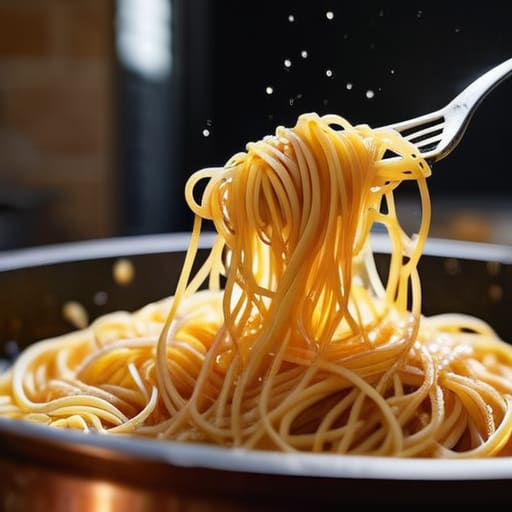
At the end of the day, getting perfect pasta isn’t about following some complicated culinary ritual; it’s about mastering a few simple, logical steps. Just remember to salt that water like the sea so the flavor actually penetrates the noodle, and keep a close eye on the clock once that water hits a rolling boil. Don’t be afraid to taste-test a piece a minute before the box says it’s done. That al dente bite is the difference between a meal that feels heavy and one that feels intentional. If you can manage the heat and the seasoning, you’ve already won half the battle.
I know how it goes—after a long day of managing schedules or dealing with life’s endless “to-do” lists, the last thing you want is a kitchen project that feels like more work. But cooking shouldn’t be another source of stress. It should be a way to reset. Once you strip away the intimidation, you realize that simplicity is actually your superpower. So, grab your pot, turn on some music, and just enjoy the process. You don’t need a gourmet kitchen to make something genuinely delicious; you just need a little bit of common sense and a hunger for something good.


I believe that a well-run home shouldn't require a PhD or a massive budget. My goal is to strip away the complexity so you can focus on actually living in your space. Let's keep things practical, efficient, and genuinely useful.
View All Articles