
I remember standing in my first corporate kitchen, staring at a recipe that called for fourteen different dried herbs and a “pinch” of something I couldn’t even name. I felt like I needed a chemistry degree just to make a simple chicken breast taste like something other than cardboard. Honestly, the culinary world loves to make things way more complicated than they need to be, acting like you can’t master how to season food without a cabinet full of $15 spice blends. It’s exhausting, and frankly, it’s a waste of time and money.
I’m not here to teach you how to cook like a Michelin-star chef or follow some pretentious, ten-step ritual. My goal is to strip away the noise and give you the fundamental, practical logic that actually works when you’re tired and just want a decent meal. I’m going to show you the essential basics—the stuff you can do with just a few staples sitting in your pantry right now. Let’s stop overthinking the spices and start focusing on real flavor that makes you actually want to sit down and eat.
Essential Spice Pantry Staples You Actually Need
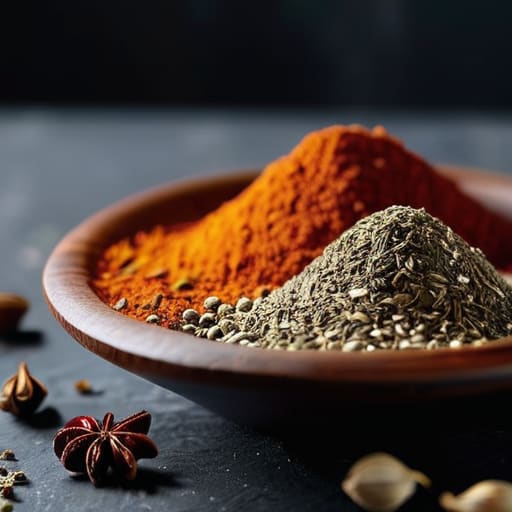
Look, I’ve spent way too many years staring at spice aisles that look like a colorful labyrinth of things I’ll use exactly once. Let’s skip the clutter. To keep things efficient, you really only need a handful of essential spice pantry staples that work across multiple cuisines. Start with the heavy hitters: kosher salt, freshly cracked black pepper, garlic powder, and smoked paprika. If you have those, you’re already halfway to a decent meal. I also keep dried oregano and cumin on hand because they’re the backbone of so many quick weeknight dinners.
Beyond the basics, I like to keep a few umami flavor enhancers tucked in the back of the cupboard for when a dish feels a little “flat.” A small jar of red pepper flakes for heat or a tin of high-quality cumin can transform a boring bowl of beans into something special. You don’t need a spice rack that requires a map to navigate; you just need a few reliable tools that help in enhancing natural flavors without making your kitchen feel like a chemistry lab. Keep it simple, keep it functional, and you’ll never be stuck.
Enhancing Natural Flavors Without the Kitchen Chaos
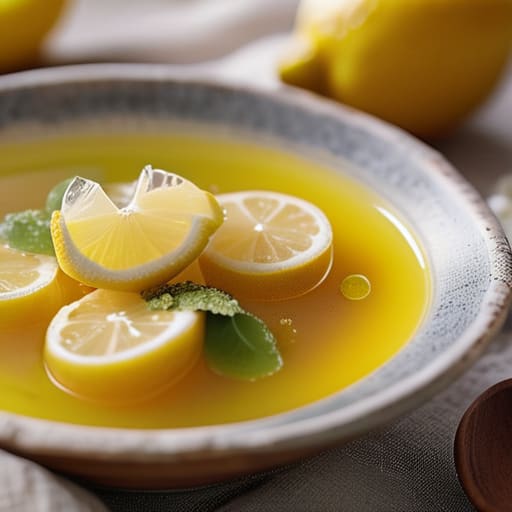
The biggest mistake I see people make is thinking they need a dozen different spice blends just to make dinner edible. Honestly, most of the time, you’re just trying to achieve a basic harmony. It all comes down to balancing salt, acid, and fat. If your soup tastes “flat” but you’ve already added plenty of salt, don’t reach for more sodium—reach for a squeeze of lemon or a splash of vinegar. That hit of acidity brightens everything up and makes the flavors pop without making the dish feel heavy.
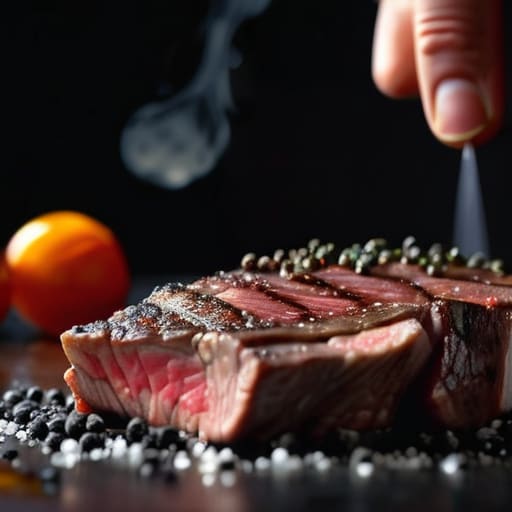
You also need to keep in mind that seasoning meat vs vegetables requires a slightly different mental approach. I usually go heavy on the salt for a steak to help build that crust, but with delicate greens, I’ll wait until the very end to season so they don’t wilt into a salty mess. If you’re looking for that deep, savory “oomph” without adding extra calories, try adding a few umami flavor enhancers like a dash of soy sauce or a sprinkle of nutritional yeast. It’s about working smarter, not harder, to let the ingredients speak for themselves.
My Five Golden Rules for Seasoning Without the Stress
- Season in layers, not all at once. Don’t just dump a mountain of spice on top of the finished dish; add a little salt or pepper at different stages of cooking to let the flavors actually build.
- Trust your palate, not the recipe. Recipes are just suggestions, but your tongue doesn’t lie. Taste your food as you go—it’s the only way to know if it actually needs a pinch more salt or a hit of acid.
- Don’t fear the acid. If a dish tastes “flat” but you’ve already added enough salt, it probably needs brightness. A squeeze of lemon or a splash of vinegar can wake up a heavy stew or a dull soup instantly.
- Salt early for depth. If you’re searing meat or sautéing veggies, seasoning them early allows the salt to penetrate the food rather than just sitting on the surface like a crust.
- Keep it simple to start. You don’t need a spice rack with fifty different jars to make something taste good. Start with the basics—salt, pepper, and maybe one dried herb—and only add more if you feel it’s missing something.
My Golden Rule for Flavor
“Forget the complex spice blends and the thirty-step recipes for a second. Real cooking isn’t about following a manual; it’s about tasting as you go and trusting your gut. If it tastes flat, it needs salt; if it’s heavy, it needs acid. Don’t overthink it—just make it taste good to you.”
Elena Vance
Trust Your Palate, Not the Recipe
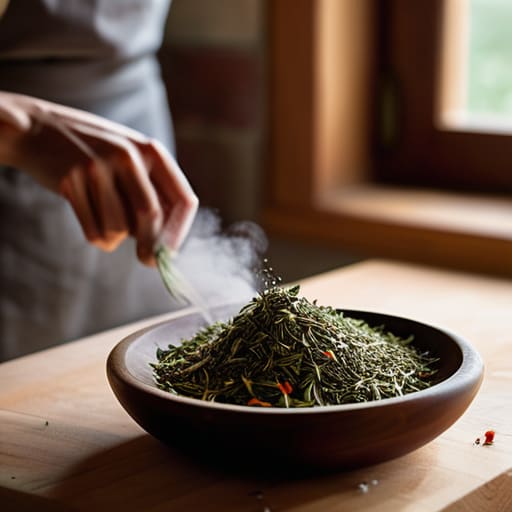
At the end of the day, seasoning isn’t about following a rigid set of rules or owning a spice rack that looks like a professional chef’s showroom. It’s about knowing your basics—having that reliable salt, pepper, and a few versatile dried herbs on hand—and then having the confidence to tweak things as you go. Remember, you don’t need a massive pantry to make something taste incredible; you just need to understand how to balance those flavors and avoid the urge to overcomplicate the process. Keep it simple, keep it efficient, and most importantly, keep tasting your food as you cook.
I know how easy it is to feel intimidated by cooking, especially when it feels like there’s always a new “must-have” ingredient or a complex technique to master. But please, don’t let that stop you from enjoying your kitchen. Cooking should be a way to nourish yourself and your family, not another overwhelming task on your to-do list. Once you strip away the noise and focus on the fundamentals, you’ll realize that great flavor is actually quite simple. So, grab your spoon, trust your instincts, and just enjoy the process. You’ve got this.


I believe that a well-run home shouldn't require a PhD or a massive budget. My goal is to strip away the complexity so you can focus on actually living in your space. Let's keep things practical, efficient, and genuinely useful.
View All Articles