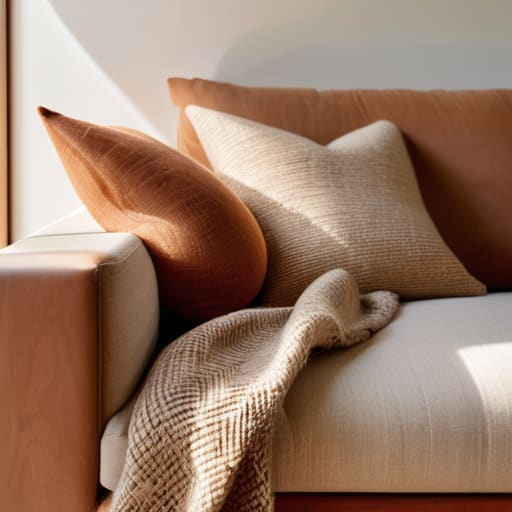

I’m so tired of seeing those “aesthetic” minimalist living rooms online that look more like a sterile hospital wing than a place where actual humans live. You see them everywhere: white walls, zero personality, and a price tag that suggests you need to spend thousands on designer ceramics just to prove you own nothing. To me, that isn’t minimalism; it’s just an expensive way to live in a museum. Real minimalist home tips shouldn’t involve stripping away everything that makes your house feel like home. It’s not about how much you can get rid of, but about making sure the things you keep actually serve a purpose and don’t just add to the mental clutter.
I’m not here to sell you a lifestyle overhaul or a subscription to a high-end organization system. Instead, I want to share the practical, no-nonsense strategies I’ve used to keep my own freelance workspace and mid-century furniture collections from turning into chaotic junk piles. I’ll show you how to streamline your surroundings without losing your soul—or your budget—in the process. Let’s focus on functional simplicity so you can stop managing your stuff and start actually enjoying your space.
Simple Decluttering Techniques for Beginners
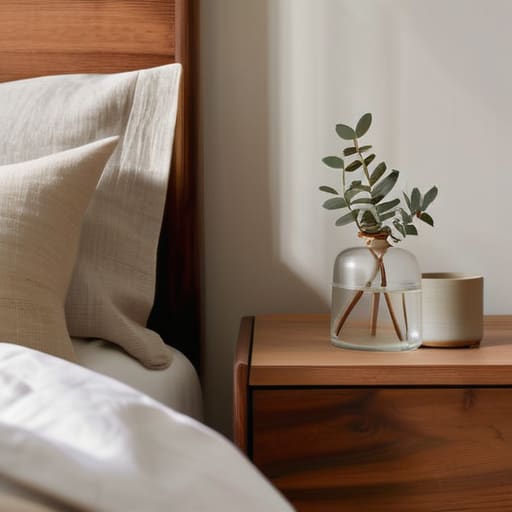
If you’re feeling paralyzed by the sheer volume of stuff in your house, please don’t try to tackle the whole thing in one weekend. That’s a one-way ticket to burnout. Instead, I recommend starting with one small, contained area—like a single junk drawer or your bedside table. When you use these basic decluttering techniques for beginners, you build the momentum needed to tackle the bigger stuff later. My rule of thumb is simple: if you haven’t touched it in a year and it doesn’t serve a clear purpose, it’s likely just taking up mental energy.
Another approach that changed my life is treating your living areas like a capsule wardrobe for home organization. In fashion, a capsule wardrobe relies on versatile pieces that work together; your home should be the same. Focus on keeping only the items that are functional and actually bring you a bit of calm. By reducing household clutter through this lens of utility, you stop collecting “just in case” items that never actually see the light of day. It’s about making room for what matters.
Reducing Household Clutter Without the Stress
The biggest mistake I see people make is trying to tackle the entire house in a single weekend. That is a one-way ticket to burnout. Instead, I’ve found that reducing household clutter works best when you treat it like a series of small, manageable projects rather than a mountain to climb. Pick one drawer, one shelf, or even just your junk mail pile. When you focus on a tiny area, you don’t feel that immediate sense of panic that usually comes with a massive cleanup.
Another thing that helps me stay grounded is applying the idea of a capsule wardrobe for home organization. Just like you wouldn’t keep every single shirt you’ve owned since college, you shouldn’t feel obligated to keep every gadget or kitchen tool you’ve ever bought. Ask yourself: “Does this actually serve a purpose in my daily life right now?” If the answer is a hesitant maybe, it’s probably just taking up mental energy. By focusing on intentional living spaces, you create a home that actually breathes, rather than one that just feels like a storage unit for things you’re “supposed” to keep.
Five Small Shifts for a More Intentional Home
- Stop buying “just in case” items. We’ve all been there—buying a specialized gadget for a task we might do once a year. If you don’t use it at least once a month, it’s just taking up mental and physical real estate.
- Give every single object a “home.” Clutter is usually just stuff that doesn’t have a designated spot to live. When everything has a specific drawer or shelf, tidying up becomes a thirty-second task instead of a weekend project.
- Use the “one in, one out” rule to keep your progress from slipping. If you bring home a new piece of decor or a new kitchen tool, something else has to go. It keeps your inventory stable so you aren’t constantly fighting a losing battle against new stuff.
- Focus on multi-functional pieces. Since I spend my weekends restoring furniture, I’ve learned that a piece that does two things—like a storage ottoman or a desk that doubles as a dining surface—is worth its weight in gold for keeping a space feeling open.
- Tackle the “micro-clutter” zones. Don’t try to overhaul the whole house at once. Just clear off one flat surface—the coffee table, the kitchen island, or your entryway console. A single clear surface can actually change the entire energy of a room.
The Real Goal of Minimalism
“Minimalism isn’t about living in a white box with nothing but a single chair; it’s about clearing out the physical and mental noise so you actually have the room to breathe and enjoy the things that truly matter.”
Elena Vance
Finding Your Rhythm
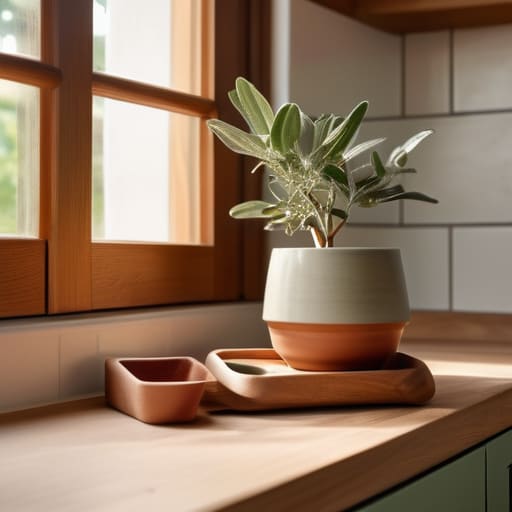
At the end of the day, minimalism isn’t about living in a sterile white box or owning exactly thirty items. It’s about the small, intentional shifts we talked about—learning how to declutter without the meltdown, setting boundaries with our stuff, and realizing that most of what we own is just noise. Whether you’re tackling one junk drawer at a time or rethinking your entire kitchen layout, the goal is to stop managing your possessions and start managing your space. If you can reduce the friction in your daily routines, you’ve already won half the battle.
Please, don’t feel like you have to overhaul your entire life by next Tuesday. I know from experience that trying to do everything at once is the fastest way to burn out and end up right back where you started. Just pick one corner, one shelf, or even just one drawer, and do it well. Minimalism is a practice, not a destination, and it should serve you—not the other way around. You deserve a home that feels like a sanctuary, not a second job. Now, put down the phone, grab that notebook, and just start small.


I believe that a well-run home shouldn't require a PhD or a massive budget. My goal is to strip away the complexity so you can focus on actually living in your space. Let's keep things practical, efficient, and genuinely useful.
View All Articles