

I was mid-way through stripping the old lacquer off a mid-century credenza last Tuesday when I spotted it: a single, tiny ant trekking across my workbench. My immediate instinct wasn’t to run to the store for some industrial-strength chemical fogger, but to sigh and reach for my multi-tool to check the seal on my window frame. Honestly, the sheer amount of marketing nonsense out there regarding how to prevent pests at home is exhausting. You don’t need a chemistry degree or a massive budget for specialized sprays that smell like a laboratory; most of the time, you just need to close the gaps that the pros tell you are “unavoidable.”
I’m not here to sell you on a complicated, expensive regimen that takes up your entire weekend. Instead, I want to share the practical, low-maintenance habits I’ve picked up over years of managing projects and maintaining my own space. We’re going to focus on simple, effective fixes—the kind of stuff you can actually do in fifteen minutes—so you can stop worrying about uninvited guests and get back to actually living in your home.
Sealing Cracks and Crevices to Block Their Entry
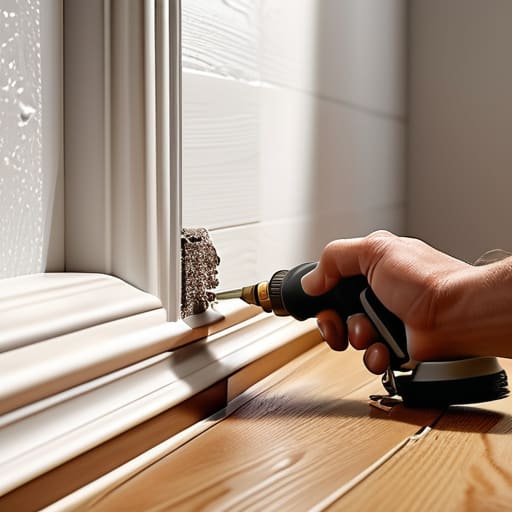
Think of your home like a project with a leaky perimeter; if you don’t patch the holes, you’re just fighting a losing battle. I learned this the hard way when I was restoring an old sideboard and realized just how many tiny gaps can hide a whole world of unwanted visitors. Sealing cracks and crevices is probably the single most effective thing you can do to stop an invasion before it starts. Grab some caulk or even some simple expandable foam from the hardware store and start with the low-hanging fruit: where the baseboards meet the floor and around your window frames.
Don’t forget to look under your sinks or behind the appliances, too. These are prime real estate for critters looking for a way in. If you notice any gaps around utility pipes, use some steel wool to plug them up; it’s a fantastic, low-cost way of preventing rodent infestations because they can’t chew through it easily. It’s not about making your house airtight—that’s impossible—it’s just about closing the doors they use to sneak in. Once those entry points are blocked, you’ve already won half the battle.
Eliminating Food Sources for Pests Without the Fuss

Once you’ve handled the structural stuff, the next step is making sure you aren’t accidentally hosting a buffet. Even if your house is airtight, a single forgotten crumb or an open bag of flour is basically an invitation for trouble. I’ve learned the hard way that eliminating food sources for pests isn’t about living in a sterile lab; it’s just about being intentional. Swap those flimsy cardboard boxes for glass or heavy-duty plastic containers. Not only does this keep your pantry looking organized, but it also creates a physical barrier that most bugs simply can’t breach.
Don’t overlook the “hidden” spots, either. I always make a point to wipe down the inside of my toaster and check behind the pet food bowls every evening. A little bit of consistent maintenance goes a long way in preventing a minor nuisance from turning into a full-blown infestation. If you can keep the surfaces clean and the leftovers tucked away, you’re already doing more than most to keep your space yours. It’s simple, it’s efficient, and it saves you from a massive headache down the road.
Five more ways to keep your home a no-fly zone
- Tackle the moisture problem. Pests like silverfish and roaches are basically looking for a tiny spa day, so fix that leaky faucet or the damp spot under the sink before they move in for good.
- Clear out the clutter. I know, I know—we all have that “junk corner”—but stacks of old newspapers or cardboard boxes are basically five-star hotels for spiders and beetles.
- Manage your trash like a pro. It’s not just about taking the bag out; make sure your bin has a tight-fitting lid so you aren’t basically leaving an open buffet on your kitchen floor.
- Check your perimeter. Take a quick walk around your house and make sure there aren’t any low-hanging branches or thick bushes touching your walls; they act like little bridges for ants to crawl right inside.
- Inspect your deliveries. I’ve learned the hard way that a new grocery delivery or a cardboard box from an online order can sneak a few stowaways into your pantry, so give things a quick glance before you unpack.
The Core Philosophy of a Pest-Free Home
“Pest control isn’t about buying every expensive spray on the shelf; it’s about reclaiming your space by closing the tiny gaps and cleaning up the little messes that make your home feel like an invitation rather than a sanctuary.”
Elena Vance
Keeping Your Peace of Mind

At the end of the day, keeping pests at bay isn’t about running a high-tech security system or spending your entire weekend deep-cleaning. It really comes down to those small, consistent habits we’ve talked about: sealing up those sneaky entry points, keeping your pantry organized, and making sure crumbs aren’t becoming a permanent fixture on your counters. If you can manage to stay on top of the basics, you’ll find that most of these uninvited guests simply won’t bother sticking around. It’s about creating a home environment that is just a little too tidy and too well-sealed for them to find any interest in.
I know that when life gets busy—and let’s face it, it always does—adding “pest prevention” to your mental load feels like the last thing you need. But remember, you don’t have to do everything at once. Just pick one area this week, whether it’s a single crack in the baseboard or a messy junk drawer, and tackle it. My goal isn’t to give you more chores; it’s to help you reclaim your space so you can actually relax in it. You deserve a home that feels like a sanctuary, not a battleground. Now, go grab a coffee, take a breath, and enjoy the quiet.


I believe that a well-run home shouldn't require a PhD or a massive budget. My goal is to strip away the complexity so you can focus on actually living in your space. Let's keep things practical, efficient, and genuinely useful.
View All Articles