

There I was, standing over the kitchen sink at 7:00 AM, staring at a pool of murky, grey water that refused to budge while my coffee went cold on the counter. It’s that specific kind of domestic frustration that makes you want to just close the cabinet and walk away, isn’t it? Most people think that a slow sink is an immediate signal to call an expensive plumber or drown your pipes in harsh, caustic chemicals that smell like a science experiment gone wrong. But here’s the truth: knowing how to unclog a drain usually doesn’t require a professional license or a massive budget; it just requires a little bit of patience and the right approach.
I’ve spent years tinkering with everything from vintage credenzas to old plumbing, and I promise you, most clogs are much less intimidating than they look. In this guide, I’m stripping away the jargon to give you a few straightforward, DIY methods that actually work. We’ll walk through the mechanical fixes, the natural solutions, and the few tools you should actually keep in your utility drawer. My goal is to help you get your water flowing again so you can stop stressing the small stuff and get back to your actual life.
Guide Overview
Tools & Supplies
- Plunger [Cup or flange style to create suction]
- Drain snake [Handheld auger to reach deep clogs]
- Baking soda [1/2 cup for natural cleaning]
- White vinegar [1/2 cup for chemical reaction]
Step-by-Step Instructions
- 1. First, let’s try the simplest fix before we bring out the heavy machinery: the boiling water trick. If your drain is just acting a bit sluggish due to some soap scum or grease buildup, boil a kettle of water and pour it slowly down the drain in two or three stages. It’s surprisingly effective for minor kitchen clogs, but please, if you have PVC pipes, don’t use boiling water—just very hot tap water instead to avoid warping the joints.
- 2. If the heat doesn’t do the trick, it’s time to grab the plunger. I know, it’s not the most glamorous part of home maintenance, but a good sink plunger is a staple for a reason. Make sure there is enough water in the sink to cover the bell of the plunger, create a tight seal over the drain, and give it several firm, rhythmic pumps. The goal is to create enough pressure to dislodge whatever is stuck.
- 3. If you’re still staring at standing water, we need to get a little more hands-on with a drain snake (or a “zip tool” if it’s just hair in a bathroom sink). These are those long, flexible plastic strips with little barbs on the side. I keep a few of these in my utility drawer because they are absolute lifesavers for hair clogs. Just slide it down, twist, and pull—you’ll likely be surprised (and maybe a little grossed out) by what comes up.
- 4. For the more stubborn stuff, we might need to look under the sink. This is where my DIY background kicks in. Place a bucket underneath the P-trap—that U-shaped pipe—to catch any water that spills out. Unscrew the slip nuts by hand or with a pair of pliers, remove the trap, and give it a thorough cleaning in another sink or outside with a garden hose. This is usually where the real culprit is hiding.
- 5. Once you’ve cleared the physical blockage, don’t just put everything back together and walk away. I always recommend a deep flush to ensure the pipes are completely clear. Pour a mixture of baking soda and vinegar down the drain, let it fizz for about fifteen minutes, and then follow it up with a large pot of hot water. It’s a great way to freshen things up and prevent future buildup.
- 6. Finally, reassemble your P-trap, making sure the washers are seated correctly so you don’t end up with a leaky sink. Tighten the nuts firmly, but don’t overdo it—you don’t want to crack the plastic. Turn on the faucet and let the water run for a minute to check for any drips. If everything stays dry, you’ve officially won the battle against your plumbing.
Simple Clogged Kitchen Sink Solutions for Busy Lives
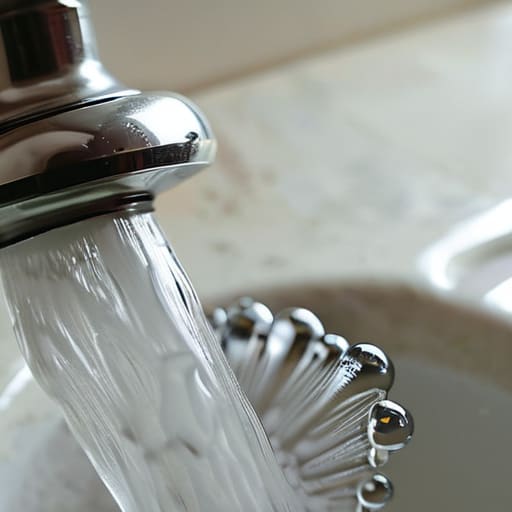
Kitchen sinks are a different beast than bathroom sinks. While a bathroom clog is usually a nuisance caused by hair, the kitchen is where the real heavy lifting happens—and where the real messes live. Most of the time, those slow-moving drains are just struggling with accumulated grease or food particles that have decided to call your pipes home. Instead of reaching for those harsh, caustic chemicals that can actually damage your plumbing over time, I always suggest starting with natural drain cleaner recipes. A simple mixture of baking soda and vinegar followed by a good soak in boiling water can do wonders for breaking up that stubborn organic sludge without the toxic fumes.
If the natural route doesn’t do the trick, you might need to get a little more hands-on. I’ve found that using a plunger effectively is often the missing link; most people just tap at it, but you need a tight seal and some real, rhythmic pressure to move the blockage. If you’re feeling brave and the clog is deeper in the line, you might need to look into basic plumbing snake techniques to physically break up the obstruction. It’s a bit more work, but it beats the headache of a standing pool of dirty dishwater.
Using a Plunger Effectively Without Wasting Your Time
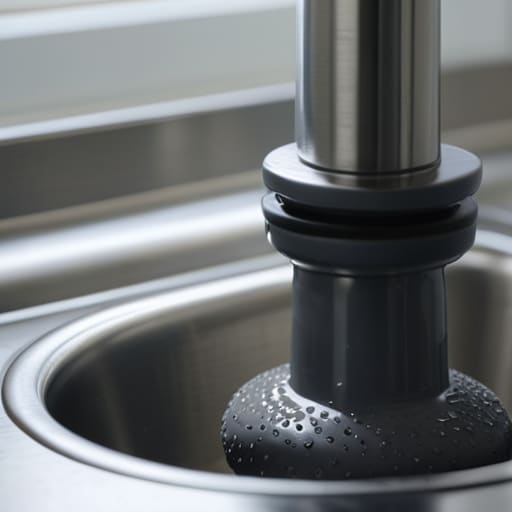
If you’re reaching for the plunger, remember that it’s not just about mindless pumping; it’s about creating a seal. Most people fail here because they don’t realize that air is often the enemy. If you’re working on a sink, plug the overflow hole with a damp rag first. This ensures the pressure you’re building actually goes toward the clog rather than just escaping through the vent. Using a plunger effectively means you want that suction to be concentrated right where the problem is.
Don’t be afraid to get a little vigorous, but keep your movements steady. I used to think you had to go at it like you were trying to start a lawnmower, but that just exhausts you and leaves you with a mess. Instead, focus on a rhythmic, forceful motion to create the necessary pressure shifts. If the plunger isn’t doing the trick after a few solid attempts, it might be time to move on to more advanced plumbing snake techniques. But before you go buying expensive gear, give the plunger a real, sealed-off shot—it’s often the quickest way to get your life back on track.
Five Little Things to Save Your Sanity (and Your Pipes)
- Stop pouring grease down the sink; even if it’s liquid when it goes in, it turns into a solid, nasty clog once it hits your cold pipes.
- Keep a mesh strainer in your sink at all times—it’s a tiny investment that prevents hair and food scraps from even getting a chance to cause trouble.
- If you notice the water draining a little slower than usual, don’t wait for a total backup; hit it with some boiling water immediately to melt away any early buildup.
- Skip the harsh chemical cleaners that eat away at your pipes; they’re bad for your plumbing and even worse for the environment.
- Check your P-trap once in a while; sometimes a quick manual clean under the sink is much more effective than any store-bought liquid.
My Philosophy on Home Maintenance
“A slow drain shouldn’t be the thing that ruins your evening; most of the time, it’s just a minor hiccup that a little bit of patience and the right tool can fix in minutes.”
Elena Vance
Don't Let a Slow Drain Slow You Down
At the end of the day, dealing with a stubborn sink doesn’t have to be a weekend-ruining catastrophe. We’ve covered a lot, from the quick chemical-free fixes like baking soda and vinegar to the more hands-on approach of using a plunger or even tackling the P-trap if things get serious. The most important thing I’ve learned from years of DIY projects is that most minor clogs can be handled with a little patience and the right tools already sitting in your utility drawer. You don’t need to call an expensive plumber for every little hiccup; often, a bit of practical troubleshooting is all it takes to get things flowing smoothly again.
I know how it feels when a small household annoyance starts to feel like one more thing on an already overflowing to-do list. But remember, managing your home isn’t about achieving perfection or having every gadget on the market; it’s about having the confidence to handle the small stuff so it doesn’t pile up. Once you clear that drain, take a second to breathe and appreciate the win. You’ve reclaimed your sink, you’ve saved some money, and most importantly, you’ve proven that you’ve got this. Now, go back to enjoying your space—you’ve earned the peace of a functional home.


I believe that a well-run home shouldn't require a PhD or a massive budget. My goal is to strip away the complexity so you can focus on actually living in your space. Let's keep things practical, efficient, and genuinely useful.
View All Articles