

I was halfway through stripping the veneer off a vintage teak sideboard last summer when I caught that unmistakable, heavy scent of damp decay. It wasn’t just a bad smell; it was a warning. I realized then that I had been looking at the wrong things—focusing on expensive chemical sprays and high-tech air purifiers instead of the actual source of the moisture. Most of the advice you find online about how to prevent mold is either way too expensive or unnecessarily complicated, involving products you don’t need and processes that take up your entire weekend.
I’m not here to sell you a subscription to a specialized cleaning service or a gallon of “miracle” solution. My goal is to show you that keeping your home healthy is actually about managing airflow and moisture with common sense. In this guide, I’m going to share the practical, low-cost habits I’ve learned from years of DIY projects and managing my own space. We’re going to strip away the jargon and focus on simple, effective steps that actually work, so you can get back to enjoying your home rather than fighting against it.
Controlling Indoor Moisture Levels Without Breaking the Bank
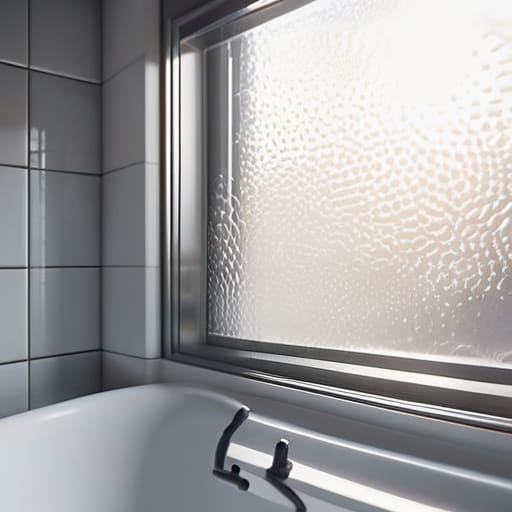
The easiest way to tackle this is to look at where the water is actually hiding. Most of our moisture issues stem from simple habits in the kitchen and bathroom. I can’t stress the bathroom ventilation importance enough; if you don’t have a powerful fan, or if you forget to turn it on after a shower, you’re basically inviting dampness to settle into your grout and drywall. If you’re renting and stuck with a weak fan, even a small window cracked open can make a massive difference in controlling indoor moisture levels before they become a problem.
If you notice water pooling on your sills, you’re likely dealing with preventing condensation on windows, which is often the first red flag that your air is too heavy. While I’m a fan of keeping things low-tech, sometimes the investment pays off. If you live in a particularly humid climate, looking into the dehumidifier benefits for homes can be a total game-changer for your peace of mind. It’s much cheaper to run a small machine than it is to scrape black spots off a ceiling.
The Real Bathroom Ventilation Importance for Busy Lives
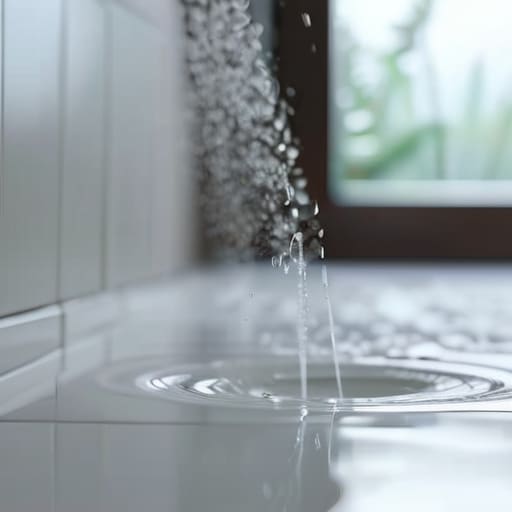
If you’re like me, the bathroom is usually the first place you notice things going sideways. We rush through our morning routines, steam up the mirror, and then shut the door, leaving all that humidity trapped in a tiny, humid box. This is where the bathroom ventilation importance really hits home. If you don’t have a high-quality exhaust fan, or if it’s just sitting there collecting dust, you’re basically inviting moisture to settle into your grout and drywall. I’ve learned the hard way that a quick five-minute run of the fan after a shower—and leaving it on for a bit longer—makes a world of difference.
I also keep a close eye on my windows. If I notice persistent preventing condensation on windows is becoming a losing battle, I know the air isn’t circulating well enough. It’s a small detail, but it’s a massive tell for potential issues behind the tiles. You don’t need a contractor to overhaul your plumbing; sometimes, you just need to ensure the air is actually moving so your bathroom can dry out properly between uses.
Five Low-Effort Habits to Keep the Spores at Bay
- Check your seals regularly. Take a quick look at the caulking around your tub and sink; if it’s peeling or cracked, water is getting behind it, and that’s basically an invitation for mold to move in.
- Don’t let laundry pile up in the washer. If you leave damp clothes sitting in that machine for a day, you’re creating a perfect little petri dish. Just get them dried or moved to the line quickly.
- Keep your air moving. If you have a room that feels a bit heavy or stagnant, crack a window for ten minutes or turn on a ceiling fan. Moving air is the natural enemy of moisture buildup.
- Watch your houseplants. I love my greenery, but overwatering can lead to soggy soil that stays damp for way too long. Make sure your pots have proper drainage so you aren’t creating a swamp on your windowsill.
- Clean your kitchen surfaces after cooking. Steam from a boiling pot can settle on nearby cabinets and walls. A quick wipe-down with a dry cloth after you’re done makes a huge difference in the long run.
My Philosophy on Home Maintenance
“Mold isn’t some mysterious monster you need a massive budget to fight; it’s just a symptom of stagnant air and trapped moisture. If you can master the basics of airflow and keep things dry, you’ve already won half the battle.”
Elena Vance
Keeping Your Space Healthy and Happy
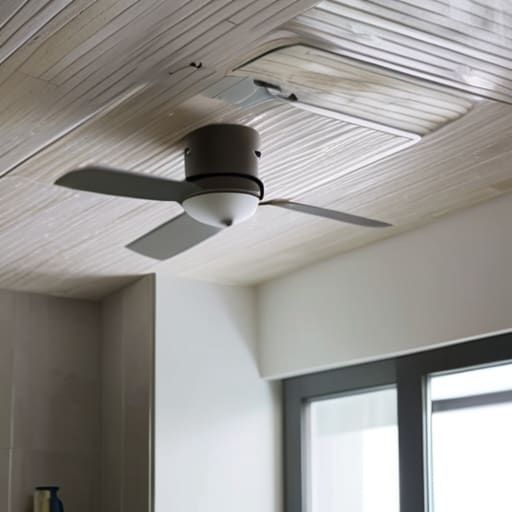
At the end of the day, preventing mold isn’t about running a high-tech laboratory in your laundry room; it’s about a few consistent, small habits. Whether you’re making sure the bathroom fan stays on for twenty minutes after a shower, checking that your gutters aren’t overflowing, or just keeping an eye on those humid corners in the basement, you’re already doing the heavy lifting. It really comes down to managing moisture and keeping the air moving. You don’t need a massive renovation budget to win this battle—just a bit of mindful maintenance and a proactive approach to how your home breathes.
I know that when you’re already juggling a million things, adding “inspect for dampness” to your to-do list can feel like just another burden. But I promise you, taking ten minutes this weekend to check your seals or clear a vent is a gift to your future self. A mold-free home isn’t just about protecting your property; it’s about protecting your peace of mind and your health. You’ve got this. Let’s stop worrying about the spores and get back to actually enjoying the spaces we work so hard to maintain.


I believe that a well-run home shouldn't require a PhD or a massive budget. My goal is to strip away the complexity so you can focus on actually living in your space. Let's keep things practical, efficient, and genuinely useful.
View All Articles