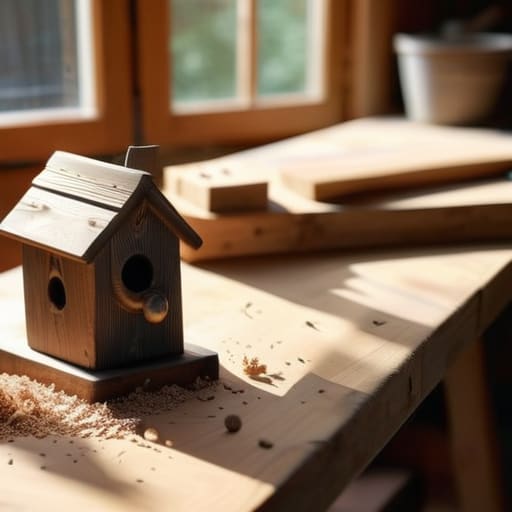

I remember standing in my father’s garage years ago, staring at a pile of sawdust and feeling completely paralyzed by the sheer number of tools I thought I needed. It’s easy to look at a professional workshop and feel like you’re not “ready” to start, but that’s a trap that keeps so many of us from ever actually creating anything. Most people get stuck in the research phase, scrolling through endless tutorials without ever making a single cut. The truth is, you don’t need a massive workshop or a degree in carpentry to make something beautiful; you just need a few beginner woodworking projects that focus on function rather than perfection.
In this guide, I’ve hand-picked six specific projects designed to get you moving without the usual headache. We aren’t going to waste time on overly complicated builds that end in frustration and wasted lumber. Instead, I’m sharing projects that are genuinely useful for your home and will help you build a foundation of confidence. By the time you finish this list, you’ll have a clear roadmap to stop overthinking and start building things that actually make your space feel more like home.
A Simple Floating Shelf
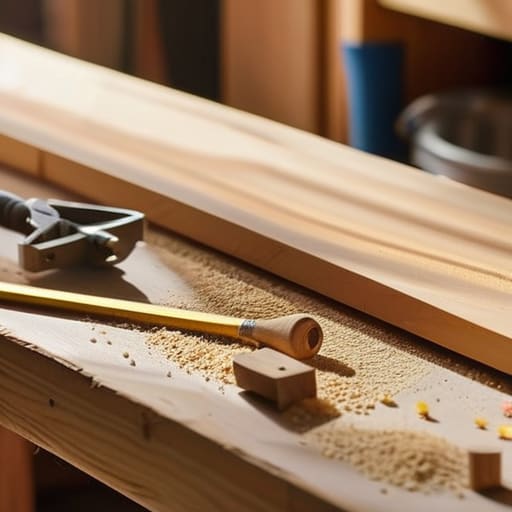
If you’re looking for a quick win, nothing beats a floating shelf. It’s the perfect way to clear some clutter off your surfaces and move it up onto the walls where it belongs. I usually start with a single piece of stained pine or even a scrap from a larger project. The trick isn’t in the complexity of the wood, but in getting the mounting bracket level and secure so you aren’t constantly worrying about your favorite books sliding off.
The Essential Cutting Board
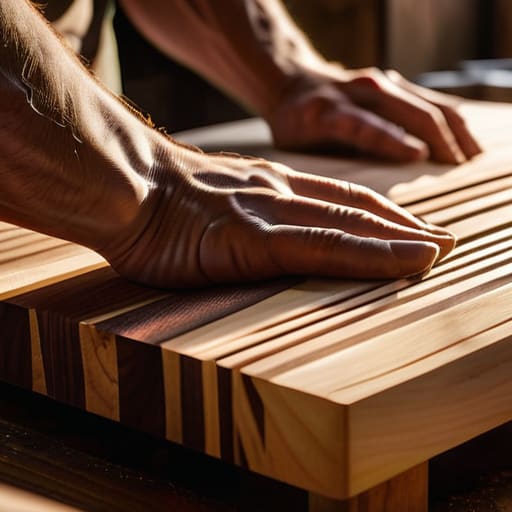
Making a cutting board is a rite of passage for any hobbyist, and honestly, it’s one of the most satisfying things you can do. You aren’t building a dining table here; you’re just learning how to join pieces of wood together and, more importantly, how to sand them until they feel like silk under your fingertips. I love using hardwoods like maple or walnut because they’re durable and look beautiful on a kitchen counter.
A Minimalist Plant Stand
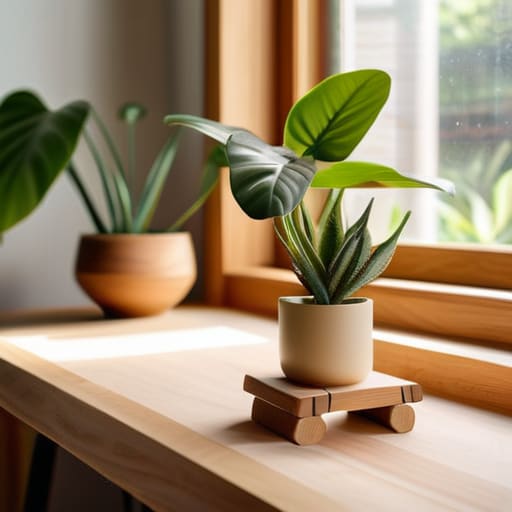
We all have that one trailing pothos or monstera that needs a little extra height to really thrive. Instead of buying a mass-produced plastic stand from a big-box store, why not build a simple tripod or a geometric wooden frame? It’s a great way to practice your basic measurements and learn how to create stable joints that won’t wobble when you place a heavy ceramic pot on top.
Rustic Entryway Trays
We all have that “junk drawer” problem, but I’ve found that a well-placed tray can actually help organize the chaos. A small wooden tray for your keys, mail, and sunglasses is a fantastic beginner project because it teaches you about creating corners and managing small-scale assembly. It’s much easier to troubleshoot a small mistake on a tray than it is on a massive coffee table.
The Custom Picture Ledge
If you’re someone like me who loves to swap out art and photos frequently, a picture ledge is a total game-changer. Unlike traditional frames that require you to hammer a dozen holes in the wall, these thin shelves allow you to lean your pieces against the wall and change the look of your room in seconds. It’s all about maximizing vertical space without the commitment of heavy mounting.
A Sturdy Tool Caddy
Since I’m always carrying a multi-tool and a notebook, I’ve learned the hard way that having a dedicated spot for your gear is essential. Building a small wooden caddy or organizer is a brilliant way to “level up” your hobby. It’s a functional project that helps you organize your workspace while teaching you how to build something with structural integrity.
## A Final Thought on Starting Small
“Don’t get caught up in the dream of building a massive dining table on day one. Real woodworking isn’t about the complexity of the piece; it’s about the confidence you gain when you finish something small, functional, and actually useful in your own home.”
Elena Vance
Ready to Get Started
At the end of the day, whether you’re building a simple spice rack to clear your kitchen counters or a sturdy little stool for the entryway, the goal is the same: creating something that serves a purpose. You don’t need a garage full of expensive, professional-grade machinery to make a dent in your home organization. By starting with these smaller, manageable projects, you’re not just making furniture; you’re building the muscle memory and confidence you need to tackle bigger builds later on. Just remember to measure twice, keep your workspace tidy, and don’t let a slightly crooked edge ruin your momentum.
Woodworking can feel intimidating when you look at those massive, complex builds on social media, but please don’t let that stop you. The real magic isn’t in achieving perfection—it’s in the quiet satisfaction of looking at a piece of furniture and knowing, you made that with your own two hands. It’s about reclaiming a bit of your time and your space through something tangible and real. So, grab your safety glasses, pick a project that feels doable, and just dive in. Your future, more organized self will definitely thank you for it.


I believe that a well-run home shouldn't require a PhD or a massive budget. My goal is to strip away the complexity so you can focus on actually living in your space. Let's keep things practical, efficient, and genuinely useful.
View All Articles