
I was sitting on my kitchen floor last Tuesday, surrounded by half-stripped veneer from an old credenza and a mountain of paperwork, feeling like I was about to snap. I looked at my phone and saw another “wellness influencer” preaching about a ten-step morning ritual involving jade rollers and expensive matcha. It felt like a joke. Honestly, most of the advice you find online regarding how to build a self care routine is just another way to sell you something you don’t need. We’ve been conditioned to think that “resetting” requires a massive budget or an entire afternoon of silence, but when you’re juggling a freelance schedule and a household, that’s just not realistic.
I’m not here to sell you a lifestyle you can’t afford or a schedule you can’t keep. My approach is much more grounded: I want to show you how to integrate small, functional habits into the life you actually lead. I’m going to share my own no-nonsense framework for creating a routine that actually works—one that focuses on practical resets rather than performative perfection. Let’s strip away the fluff and find what really helps you breathe again.
Simple Morning Self Care Rituals for Busy Real Lives

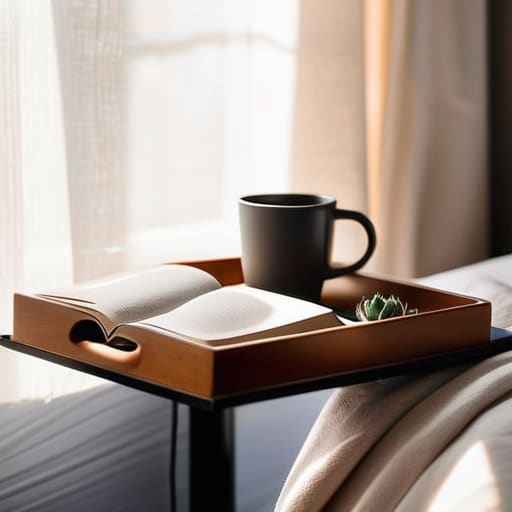
I know how it goes: the alarm goes off, you immediately reach for your phone, and before you’ve even stepped out of bed, you’re drowning in emails and news alerts. That’s not a morning; that’s a sprint. To avoid that feeling of being behind before the day has even begun, I’ve leaned into a few morning self care rituals that actually stick. Instead of a grueling hour-long meditation, I try the “five-minute buffer.” I sit with my coffee—no screens allowed—and just breathe. It sounds small, but it’s one of those simple emotional well-being strategies that keeps me from feeling reactive the moment I walk through the door.
If you’re short on time, don’t try to overhaul your entire life by 7:00 AM. Just pick one physical movement, like a quick stretch, or one mental check-in. I used to think I needed a perfect, aesthetic routine to see results, but I’ve learned that consistency beats complexity every single time. Even if it’s just three minutes of quiet, those tiny moments act as a foundation for better stress management throughout the rest of your chaotic day.
Building Healthy Lifestyle Habits Without the Exhausting Effort

The biggest mistake I see people make is treating habit-building like a massive renovation project. You don’t walk into a room and try to replace every piece of furniture in a single afternoon; you do it one chair at a time. When it comes to building healthy lifestyle habits, the same logic applies. If you try to overhaul your diet, your sleep schedule, and your workout routine all on a Monday morning, you’re going to burn out by Wednesday. Instead, I focus on “micro-habits”—things so small they feel almost silly to skip, like drinking a full glass of water before my coffee or taking three deep breaths before opening my laptop.
The goal isn’t perfection; it’s consistency over intensity. I’ve learned that true stress management techniques aren’t about the hour-long yoga sessions you see on Instagram, but rather the small, intentional choices you make when life gets messy. If you can find five minutes to sit quietly or step outside for fresh air, you’ve won. Keep your expectations grounded in reality, and you’ll actually find that these small shifts stick.
Five Ways to Keep Your Routine Realistic (And Actually Stick to It)
- Start small—like, really small. Don’t try to overhaul your entire life on a Monday morning. If you can’t commit to five minutes of stretching or sitting with your coffee in silence, don’t try for an hour. Pick one tiny thing that feels doable even on your worst, most chaotic day.
- Audit your “must-dos” versus your “should-dos.” We often clutter our self-care lists with things that feel like chores, like a ten-step skincare routine that feels more like work than a treat. If it feels like another item on your project management board, it’s not self-care; scrap it.
- Use “habit stacking” to save brainpower. I do this all the time. If you want to start meditating, do it right after you brush your teeth. By attaching a new habit to something you already do automatically, you don’t have to rely on willpower alone.
- Prepare your environment the night before. If your goal is to get some reading time in, put the book on your pillow. If you want to drink more water, put a carafe on your nightstand. Taking the friction out of the process makes it much harder to make excuses.
- Forgive yourself when you miss a day. Life happens—deadlines blow up, kids get sick, or you just plain crash. Missing one day doesn’t mean the routine is broken; it just means you’re human. Just pick it back up tomorrow without the guilt trip.
The Truth About Routine
“Self-care isn’t another project to manage or a luxury to squeeze in when the house is finally quiet; it’s just about making small, practical choices that keep you from running on empty before the day even really starts.”
Elena Vance
Finding Your Own Rhythm

At the end of the day, building a self-care routine isn’t about adding more items to your never-ending to-do list; it’s about deciding what actually serves you. We’ve talked about how those small morning rituals can ground you, how to layer in healthy habits without burning out, and why you need to ditch the idea that self-care has to be expensive or time-consuming. Remember, the goal is to create a system that actually works for your real life, not a Pinterest-perfect version of it that leaves you feeling more stressed than when you started. If a habit feels like a chore, it’s probably not the right one for you right now.
I know how easy it is to get caught up in the “all or nothing” mindset, especially when you’re juggling a million things at once. But please, give yourself permission to be imperfect. Some days, self-care will be a twenty-minute yoga session, and other days, it might just be remembering to drink a glass of water and taking five deep breaths before opening your laptop. Start small, stay consistent where you can, and most importantly, be kind to yourself as you figure it out. You aren’t trying to build a masterpiece; you’re just trying to build a life that feels a little more manageable.


I believe that a well-run home shouldn't require a PhD or a massive budget. My goal is to strip away the complexity so you can focus on actually living in your space. Let's keep things practical, efficient, and genuinely useful.
View All Articles