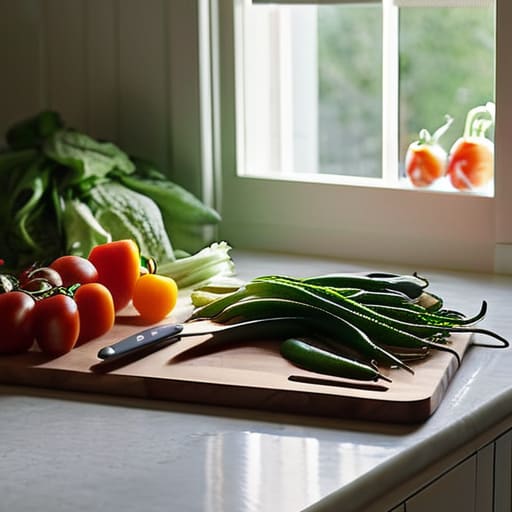

I used to think that learning how to meal plan meant I needed a color-coded binder, a subscription to a boutique recipe service, and about six hours of my Sunday afternoon to prep organic, artisanal grains. Honestly? That sounds like a recipe for burnout, not a better life. I spent way too many years in corporate roles thinking everything required a complex, high-level strategy to work, and I brought that same exhausting mindset into my own kitchen. I’d end up staring at a fridge full of expensive, wilted greens, feeling more overwhelmed than when I started.
I’m not here to sell you on a lifestyle overhaul that requires a PhD in nutrition or a massive grocery budget. Instead, I want to show you how to strip away the fluff and find a rhythm that actually fits into your real, busy life. I’m going to share my own practical, low-stress methods for getting organized without losing your mind. We’re going to focus on what works, what’s efficient, and most importantly, how to make sure you actually enjoy your food instead of just checking a box.
Meal Prep for Beginners Keeping It Simple
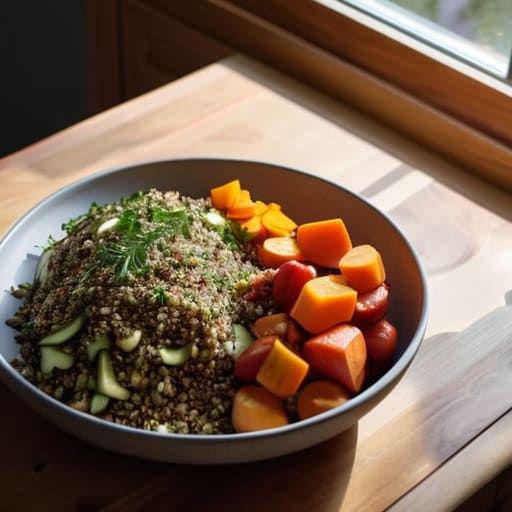
If you’re just starting out, please don’t feel like you need to spend your entire Sunday in a kitchen-sized version of a military bunker. I used to think meal prep meant vacuum-sealing every single ingredient into identical plastic containers, but that’s a fast track to burnout. Instead, think of meal prep for beginners as simply making your future self’s life a little easier. Start small by prepping just one or two components—maybe a big pot of grains or a tray of roasted vegetables—that you can toss into different meals throughout the week.
The secret to staying consistent is avoiding the “all or nothing” trap. You don’t need a dozen elaborate recipes; you just need a few reliable staples that play well together. I’ve found that mastering a few basic batch cooking techniques, like making a large batch of shredded chicken or a hearty lentil soup, can save me hours of decision fatigue on a Tuesday night. When you have the heavy lifting done ahead of time, you’re much less likely to reach for the takeout menu when the day gets hectic.
Budget Friendly Meal Planning That Actually Works
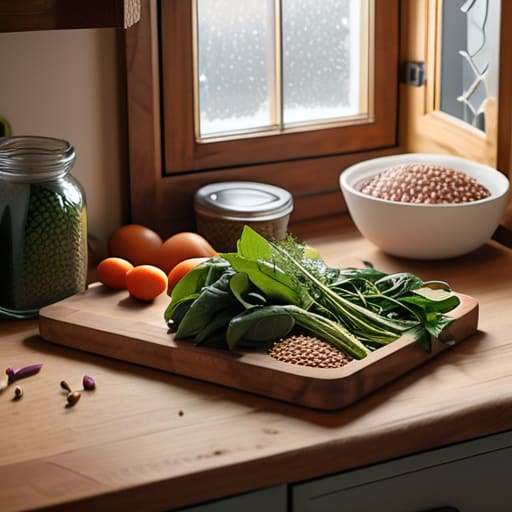
Let’s be real: the biggest barrier to eating well isn’t a lack of willpower; it’s the sheer cost of those “aesthetic” grocery hauls you see on social media. You don’t need organic, artisanal superfoods to stay fueled. The secret to budget friendly meal planning is actually quite boring: it’s about looking at what you already have before you even step foot in a store. I always start by checking my pantry and freezer. If I have a half-bag of lentils and some frozen spinach, that’s the foundation of my next two dinners.
Once you know your inventory, lean into grocery list organization to prevent those expensive, impulse “oops” buys at the checkout. Stick to versatile staples—think grains, beans, and seasonal produce—that can be repurposed across different meals. Instead of buying specific ingredients for one fancy recipe, buy components that work for three. This approach isn’t just about saving pennies; it’s about reducing the mental load of deciding what to cook every single night. It’s simple, it’s practical, and most importantly, it actually works for a real, busy life.
Five Ways to Keep Your Plan From Falling Apart
- Shop your pantry before you hit the store. I’ve learned the hard way that there’s no point in buying a new jar of cumin if I already have two hiding in the back of the cupboard. Look at what you actually have, and build your meals around those staples first.
- Don’t try to be a gourmet chef every single night. Some nights are for roasted salmon, but others are for “breakfast for dinner” or a simple grilled cheese. Leave yourself some breathing room for the nights when you’re just too tired to follow a recipe.
- Master the “component” method. Instead of cooking full, complex recipes, just prep big batches of versatile basics—like a big bowl of quinoa, roasted sweet potatoes, or shredded chicken. You can mix and match those throughout the week to create totally different meals without the mental load.
- Use a physical list. There is something about actually writing your plan down in a notebook or on a magnetic whiteboard that makes it feel real. Digital apps are fine, but a quick glance at the fridge while you’re making coffee helps keep the plan front and center.
- Build in a “buffer” night. Life happens. A meeting runs late, or you just don’t feel like cooking. Always leave one night a week unplanned—or designated for leftovers—so a single busy evening doesn’t make you feel like you’ve failed your entire week.
My Philosophy on Planning
“Meal planning isn’t about following a rigid, Pinterest-perfect schedule; it’s about making a few smart decisions on Sunday so you aren’t staring blankly into a half-empty fridge on a Tuesday night when you’re exhausted.”
Elena Vance
Making It Work for You
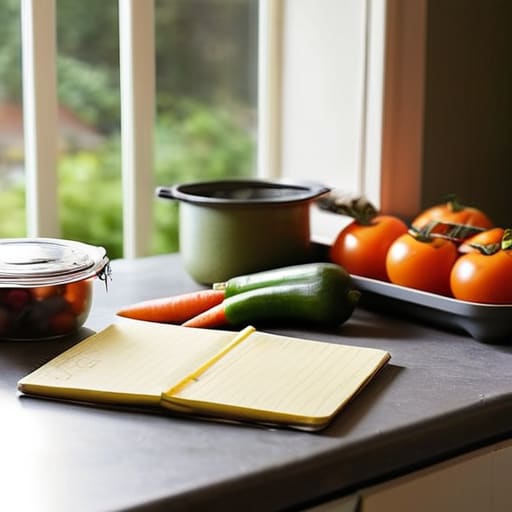
At the end of the day, meal planning isn’t about achieving some kind of culinary perfection or having a Pinterest-worthy pantry filled with glass jars. It’s really just about reducing the mental load that hits you at 5:00 PM when you’re exhausted and staring blankly into the fridge. We’ve talked about starting small with basic prep, keeping your grocery list focused to save money, and not overcomplicating the process. Remember, the goal is to create a system that serves you, not a second job that leaves you feeling even more drained. If you only manage to plan two dinners this week instead of seven, that is still a win.
Don’t let the fear of doing it “wrong” stop you from even trying. You don’t need a complicated app or a massive amount of time; you just need a little bit of intention. Start with what you know, use what you have, and allow yourself the grace to pivot when life inevitably gets messy. My hope is that by stripping away the unnecessary fluff, you find a little more breathing room in your evenings. Once the logistics of eating are handled, you can finally stop worrying about the menu and actually sit down and enjoy the meal.


I believe that a well-run home shouldn't require a PhD or a massive budget. My goal is to strip away the complexity so you can focus on actually living in your space. Let's keep things practical, efficient, and genuinely useful.
View All Articles