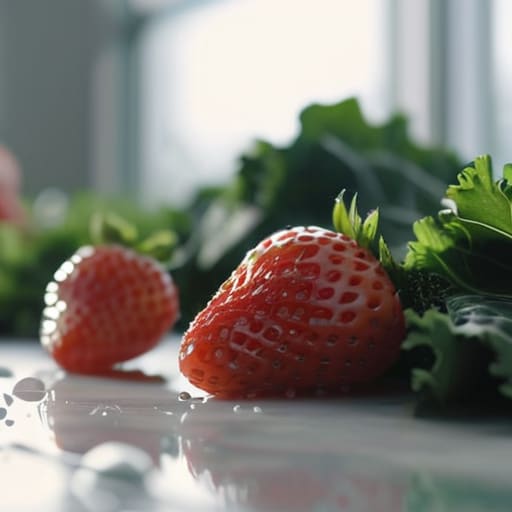

I remember standing in my kitchen three years ago, staring at a mountain of wilted spinach and a bag of expensive berries that looked like they were about to give up the ghost. I felt that familiar wave of guilt—the kind that hits when you realize you’ve just thrown money straight into the compost bin. I used to think that learning how to freeze food required a chemistry degree or a cabinet full of specialized, vacuum-sealed gadgets that cost more than my mid-century sideboard. But honestly? Most of those “expert” tips are just extra noise designed to make you buy more plastic.
I’m not here to sell you on a complicated system or a specific brand of expensive storage bins. Instead, I want to give you the actual, practical methods I use to keep my pantry stocked without the stress. We’re going to strip away the fluff and focus on what works for a busy life: simple techniques, sturdy containers, and a few smart habits that prevent freezer burn. My goal is to show you that mastering how to freeze food is really just about being efficient and intentional so you can spend less time worrying about groceries and more time actually enjoying your meals.
Mastering Airtight Packaging for Freezing Without the Fuss
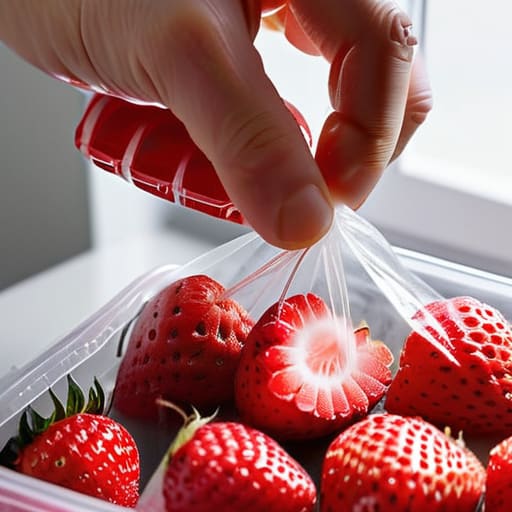
Look, I’ve learned the hard way that the biggest mistake we make is thinking any plastic container will do. If you leave even a tiny bit of air inside your container, you’re basically inviting frostbite to settle in. That’s how you end up with those sad, icy clumps that ruin the texture of your ingredients. When it comes to preventing freezer burn, the goal is simple: get as much air out as humanly possible. If you’re using freezer bags, I always use the “straw trick”—insert a straw into the corner of the bag, suck out the excess air, and then zip it shut. It’s a tiny bit of extra effort that saves you from wasting money on ruined meals later.
For larger batches, like when I’m doing my weekly meal prep, I swear by heavy-duty silicone bags or vacuum-sealed containers. If you’re freezing vegetables and fruits, try to flatten the bags out so they stack like books in your freezer. This not only saves space but also helps everything thaw more evenly when you’re actually ready to cook. Keep it simple, keep it tight, and you’ll be golden.
Essential Best Practices for Food Storage Youll Actually Use
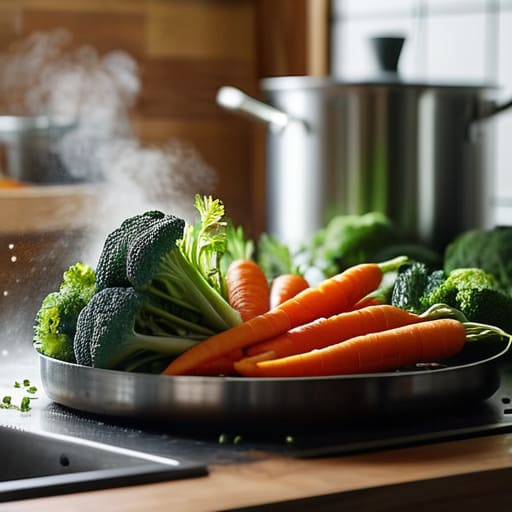
Once you’ve got your containers sorted, the next step is all about the “how” and “when.” I’ve learned the hard way that you can’t just toss everything in at once and expect it to stay fresh forever. If you’re freezing vegetables and fruits, give them a quick blanch in boiling water first. It sounds like an extra step, but it actually stops those enzymes from turning your produce into a mushy, flavorless mess a month down the line. It’s a small time investment that pays off massively when you’re actually cooking.
Another thing I swear by is labeling everything with a sharpie and a piece of masking tape. I know, it feels a bit tedious, but knowing exactly how long food lasts in the freezer is a total game-changer for avoiding that “mystery bag” syndrome. When you use smart meal prep freezing techniques—like freezing portions in flat, single-layer bags—you aren’t just saving space; you’re ensuring everything thaws evenly and stays delicious. Keep it simple, keep it organized, and you’ll stop digging through ice crystals just to find dinner.
5 Pro Tips to Save You Time (and Sanity) in the Freezer
- Flash freeze your small stuff. If you’re freezing berries, herbs, or even leftover meatballs, spread them out on a baking sheet in a single layer before bagging them. This prevents them from turning into one giant, unusable frozen brick.
- Label everything with a Sharpie. I know, it feels tedious, but “mystery bag #4” is a recipe for frustration. Write the item name and the date right on the bag so you aren’t playing detective six months from now.
- Leave a little breathing room. Liquids expand when they freeze. If you’re freezing soup or sauce, leave about an inch of space at the top of your container so it doesn’t crack your glass dish or burst your plastic lid.
- Flatten your bags. When you’re packing freezer bags, squeeze out as much air as possible and lay them flat. They stack like books on a shelf, saving you massive amounts of space and making it way easier to find what you need.
- Portion it out from the start. Don’t freeze a massive gallon of stew only to realize you only needed a single bowl. Freeze in meal-sized increments so you can grab exactly what you need without defrosting the whole batch.
My Golden Rule for the Freezer
“Freezing food isn’t about some high-tech science experiment; it’s just about making sure that when you’re tired on a Tuesday night, you actually have something decent to eat instead of a bag of freezer-burned leftovers.”
Elena Vance
Making It Work for You
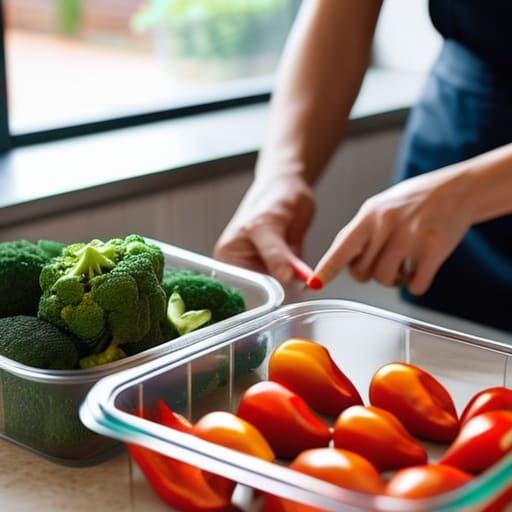
At the end of the day, freezing food isn’t about achieving some level of culinary perfection or following a rigid, scientific protocol. It’s really just about protecting your investment—both the money you spent at the grocery store and the time you spent prepping those meals. Just remember the basics: use airtight containers to keep the freezer burn away, label everything clearly so you aren’t playing a guessing game later, and don’t be afraid to freeze in smaller, manageable portions. If you get those fundamentals down, you’ve already won half the battle against food waste.
I know that when you’re staring at a mountain of leftovers or a bulk bag of spinach, it can feel like just one more chore on an already overflowing to-do list. But try to look at your freezer as a tool for reclaiming your future time. Every container you prep today is a gift to your “future self” for those chaotic Tuesday nights when you’re too tired to cook. Don’t feel like you have to overhaul your entire kitchen in one weekend. Just start small, keep it practical, and remember that the goal is to make your life easier, not more complicated. You’ve got this.


I believe that a well-run home shouldn't require a PhD or a massive budget. My goal is to strip away the complexity so you can focus on actually living in your space. Let's keep things practical, efficient, and genuinely useful.
View All Articles