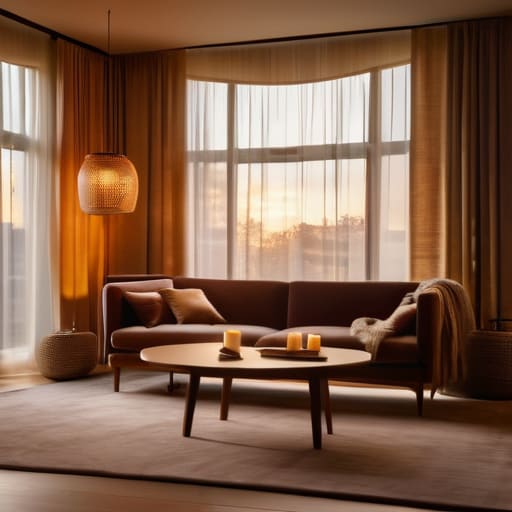

I remember sitting at my dining table last Tuesday, trying to sketch out a plan for a mid-century sideboard I’m restoring, only to realize I was squinting so hard my head actually ached. I had the “perfect” overhead light, but it was casting these harsh, clinical shadows that made the whole room feel like a doctor’s waiting room instead of a home. It’s one of those frustrating moments where you realize that following generic home lighting tips from a glossy magazine is useless if they don’t account for how we actually live in our spaces. You don’t need a massive renovation or a professional designer to fix a vibe that feels “off”; you just need to stop letting your ceiling fixture do all the heavy lifting.
I’m not here to sell you on expensive smart-home ecosystems or complicated electrical rewiring that requires a specialist. My goal is to give you a few practical, low-effort shifts—like layering warm lamps and knowing which bulbs to ditch—that will transform your space without draining your bank account. Consider this my no-nonsense contract with you: we’re going to strip away the fluff and focus on lighting that actually makes your home feel functional, cozy, and most importantly, easy to live in.
Mastering Layered Lighting Techniques Without the Stress
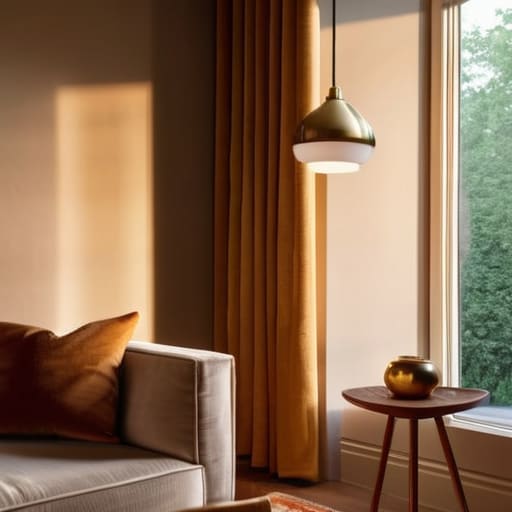
If you try to light a room using only one big overhead fixture, you’re essentially living in a hospital waiting room. It’s harsh, it’s flat, and it’s a total mood killer. To fix this, you need to embrace layered lighting techniques—and no, that doesn’t mean you need to rewire your entire house. Think of it as building a sandwich; you need different layers to make it work. You start with your base layer, which is your ambient lighting, and then you add specific layers for function and flair.
The easiest way to start is by distinguishing between ambient vs task lighting. I like to use soft, indirect light for the general “vibe” of the room, then bring in dedicated lamps for things like reading or chopping veggies in the kitchen. If you really want to level up without the headache, install a few dimmer switches. It’s a small tweak that gives you total control over the energy of a room, allowing you to transition from “focused work mode” to “glass of wine on the sofa mode” in seconds.
Ambient vs Task Lighting Finding Your Daily Flow
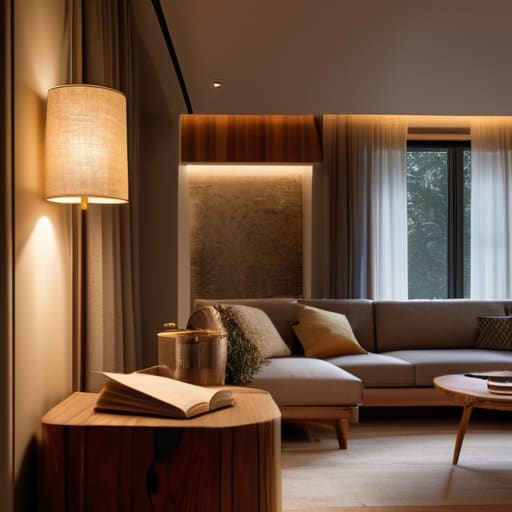
Think of your lighting like the layers of an outfit; you wouldn’t walk out the door in just a heavy coat or just a t-shirt, right? The same logic applies to your rooms. When we talk about ambient vs task lighting, we’re really just talking about setting the mood versus getting things done. Ambient lighting is that soft, general glow that fills the room so you aren’t stumbling around in the dark, while task lighting is the focused, bright light you need for specific jobs—like reading a book or chopping veggies in the kitchen.
The trick to making this feel natural rather than clinical is paying attention to your warm vs cool light temperature. I personally love using warmer tones in the living room to keep things cozy, but I’ll swap in a cooler, crisper bulb in my home office to help me stay sharp while I’m tackling project spreadsheets. If you want to take it a step further without a full renovation, installing a simple dimmer is a total game-changer. It allows you to transition your space from a bright, productive hub during the day to a soft, relaxing sanctuary once the sun goes down.
Five Quick Wins for a Better Vibe
- Stop relying on the “big light.” That harsh overhead fixture is the fastest way to kill a mood. Instead, try to spread light out across the room using smaller sources at eye level.
- Check your color temperature. If your bulbs are too blue, your living room will feel like a sterile doctor’s office. Look for “warm white” on the box—it’s much easier on the eyes when you’re finally winding down for the night.
- Use your corners. Most people forget that dark corners make a room feel smaller and cramped. A simple, inexpensive floor lamp tucked into a corner can instantly make your space feel more open and intentional.
- Don’t overlook your switches. If you’re tired of fumbling in the dark, grab a few smart plugs or dimmers. It’s a small tech tweak that makes a huge difference in how much control you actually feel you have over your environment.
- Use mirrors to your advantage. If you have a particularly dim spot in a hallway or a nook, place a mirror opposite a window. It catches the natural light and bounces it back into the room, doing the heavy lifting for you for free.
The Heart of the Matter
“Lighting isn’t about buying every smart bulb on the market; it’s about creating small pockets of warmth so your home actually feels like a sanctuary instead of an office or a showroom.”
Elena Vance
Making It Your Own
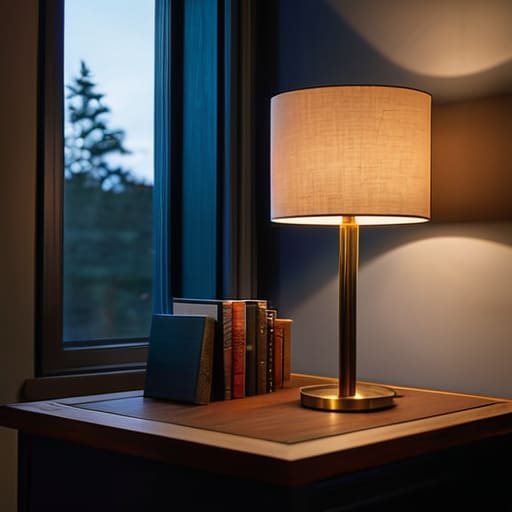
At the end of the day, getting your lighting right isn’t about following a strict set of architectural rules or buying every smart bulb on the market. It’s really just about finding that sweet spot between functional brightness and actual comfort. We’ve talked about layering your light, distinguishing between your ambient glow and those focused task lamps, and making sure your space actually works for your daily rhythm. Remember, you don’t have to do it all at once. Start with one corner, swap a single bulb, or add a small lamp to a dark bookshelf. The goal is to strip away the harshness and create a space that feels intentional rather than accidental.
I know how easy it is to feel overwhelmed by home improvement projects, especially when you’re already juggling a million other things. But I promise you, changing how your room feels is one of the most rewarding, low-effort wins you can achieve. Don’t let the complexity of “interior design” stop you from making your home a place where you can actually breathe and relax. Your home should serve you, not the other way around. So, grab a warm lamp, dim those overheads, and just start living in the light you actually enjoy.


I believe that a well-run home shouldn't require a PhD or a massive budget. My goal is to strip away the complexity so you can focus on actually living in your space. Let's keep things practical, efficient, and genuinely useful.
View All Articles