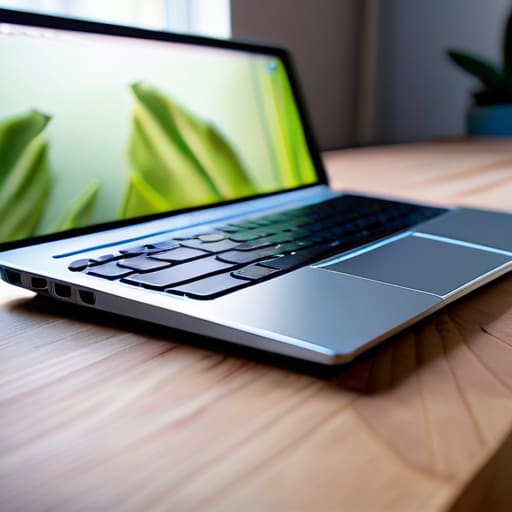

I was sitting at my kitchen table last Tuesday, halfway through a project deadline, when my laptop fan started making a sound like a tiny, dying jet engine. I could practically feel the heat radiating off the keyboard, threatening to cook my thighs, and I realized I was about to fall for the same trap everyone else does: searching for some expensive, over-engineered cooling pad that promises the world but mostly just clutters your desk. Honestly, if you’re looking for a magic gadget to solve your problems, you can stop right here. Learning how to keep your laptop cool shouldn’t require a massive budget or a degree in thermal dynamics; it usually just requires a little bit of common sense and a few smart adjustments to your setup.
I’m not here to sell you on unnecessary tech accessories or complicated maintenance schedules that eat up your afternoon. Instead, I want to share the practical, low-cost methods I’ve learned through years of working remotely and tinkering with gear. We’re going to focus on simple, actionable habits—from where you place your device to how you manage your background tasks—so you can stop worrying about hardware failure and get back to actually getting things done.
Spotting the Signs of Laptop Overheating Before Its Too Late
You don’t always need a thermometer to know your computer is struggling; usually, your body and your senses will tell you first. If you notice the underside of the device feels uncomfortably hot against your skin, or if the fans start sounding like a jet engine taking off mid-email, those are the primary signs of laptop overheating. I’ve definitely had those moments where I’m in the middle of a project and the cursor just starts lagging or freezing entirely. That’s not just a “slow computer”—it’s often your system trying to protect itself.
That stuttering you feel is likely a result of preventing CPU thermal throttling. Essentially, your laptop is intentionally slowing down its own brain to stop itself from melting. If you start seeing a sudden drop in performance or notice the screen dimming unexpectedly, don’t just ignore it. These are clear warnings that your current setup isn’t providing enough ventilation. Catching these red flags early is much easier than dealing with a total hardware failure down the road.
Improving Laptop Heat Dissipation Through Simple Habits
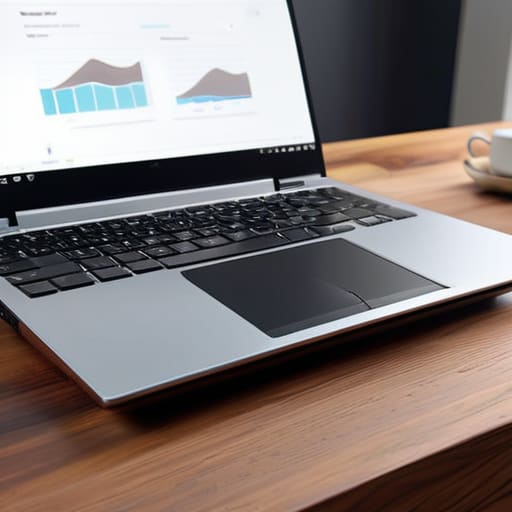
Most of us have a tendency to treat our laptops like little lap warmers, but that’s exactly where the trouble starts. If you’re working from the couch or tucked under a duvet, you’re essentially suffocating your device. The fabric blocks the vents, trapping heat inside and forcing your processor to work twice as hard just to stay functional. For better laptop airflow optimization, I’ve learned to make it a rule: always use a hard, flat surface. Whether it’s a desk or even a large hardcover book, giving the machine a stable base allows those internal fans to actually do their jobs.
If you find yourself working long hours in a cramped space, you might want to look into the best laptop cooling pads available. They aren’t just fancy gadgets; they provide a consistent lift that keeps air moving underneath the chassis. While you’re at it, don’t forget the basics of maintenance. Every few months, I take a moment to check the vents for dust buildup. A quick blast of compressed air can be one of the most effective laptop fan cleaning tips to keep things running smoothly without spending a dime on professional repairs.
Five Quick Fixes to Beat the Heat
- Stop using your laptop on the bed or a plush sofa. I know it’s cozy, but soft surfaces act like a thermal blanket, blocking those tiny air vents on the bottom and trapping heat right where it shouldn’t be. Stick to a desk or a hard, flat surface so the air can actually circulate.
- Invest in a decent cooling pad if you’re a heavy user. It might feel like one more thing to carry in your bag, but a simple stand with built-in fans can make a massive difference in keeping the internal temperature stable during long work sessions.
- Give your fans a quick cleaning every now and then. Dust is the silent killer of electronics; it builds up in the vents and acts like insulation. You don’t need to be a tech expert—just grab a can of compressed air and give the vents a few short, gentle bursts to clear out the debris.
- Manage your “tab clutter” to lighten the load on your processor. Every single open browser tab and background app is pulling power and generating heat. If you aren’t using it, close it. It’s a simple habit that keeps your CPU from working overtime and heating up your lap.
- Watch your power settings. Most laptops have a “High Performance” mode that’s great for heavy lifting but a nightmare for heat. If you’re just answering emails or browsing, switch to “Balanced” or “Power Saver” mode to keep the hardware running a bit more chill.
A Quick Reality Check
“We tend to treat our laptops like little pieces of magic that just work, but they’re really just tiny engines running under a shell; if you don’t give them a little breathing room, they’re going to burn out, and usually, it’s because we’ve been treating them like a coaster for our coffee or a pillow for our laps.”
Elena Vance
Keeping Your Cool
At the end of the day, keeping your laptop from turning into a glorified space heater doesn’t require expensive gadgets or a degree in computer engineering. It really just comes down to being a little more intentional with how you use your space. Whether it’s making sure you aren’t working on a soft duvet that chokes the vents, or taking a quick second to blow the dust out of your keyboard, these small shifts make a massive difference. Remember, if you notice the fan spinning like it’s trying to take flight or the bottom feels hot enough to fry an egg, don’t ignore it. Catching these signs early and sticking to a few simple, consistent habits will save you from a much bigger headache—and a much more expensive repair bill—down the road.
I know how frustrating it is when your tech feels like it’s working against you instead of for you. We rely on these machines for everything from managing our workdays to unwinding in the evening, so they should feel like tools, not obstacles. My best advice? Don’t let the maintenance feel like another overwhelming chore on your to-do list. Just treat your laptop with a little bit of common-sense care, and it will reward you by staying fast and reliable. You’ve got enough on your plate; let’s make sure your tech is one thing that actually runs smoothly in the background.


I believe that a well-run home shouldn't require a PhD or a massive budget. My goal is to strip away the complexity so you can focus on actually living in your space. Let's keep things practical, efficient, and genuinely useful.
View All Articles