

I was sitting on my floor last Tuesday, surrounded by half-stripped teak chair legs and a mountain of tangled power cords, feeling that familiar, tightening knot in my chest. My brain was racing through a mental checklist of project deadlines and grocery runs, and honestly, I just wanted to scream at the sheer noise of it all. We’re constantly told that learning how to reduce stress requires a three-week retreat in Bali or a subscription to a meditation app that pings you every twenty minutes. But let’s be real: when you’re drowning in the day-to-day, you don’t need a spiritual awakening; you just need the chaos to stop.
I’m not here to sell you on expensive wellness gadgets or complicated breathing rituals that take an hour you don’t have. Instead, I want to share the practical, low-budget ways I’ve learned to quiet the mental clutter and reclaim my sanity. We’re going to focus on small, manageable shifts in your environment and routine that actually work for busy people. No fluff, no hype—just straightforward, honest tactics to help you find some breathing room in the middle of your life.
Simple Lifestyle Changes for Emotional Balance

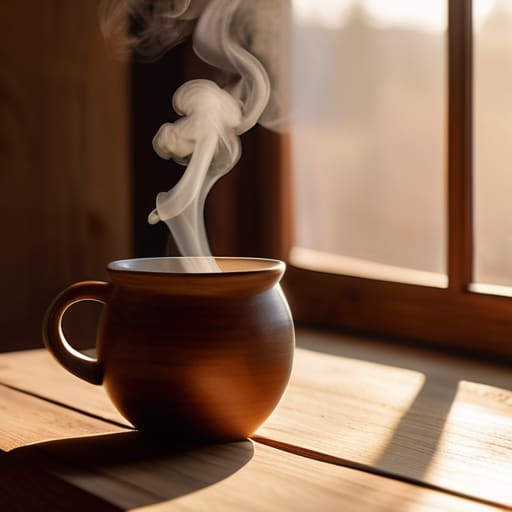
I’ve learned the hard way that you can’t just “think” your way out of feeling frazzled; you have to change how you move through your day. For me, it started with realizing that my constant multitasking was actually feeding my anxiety. One of the most effective lifestyle changes for emotional balance I implemented was reclaiming my mornings. Instead of grabbing my phone and diving straight into a sea of emails, I started spending just ten minutes sitting with a cup of coffee—no screens, no lists, just quiet. It sounds small, but it sets a tone of intention rather than reaction.
If you’re feeling that heavy, restless tightness in your chest, those are likely the physical symptoms of chronic stress trying to tell you something. When that happens, I don’t go for a marathon; I go for a walk without headphones. I’ve found that simple, rhythmic movement is one of the best stress management coping mechanisms available. It’s not about adding another “chore” to your to-do list; it’s about creating small, intentional pockets of peace that actually stick.
Spotting the Physical Symptoms of Chronic Stress

We often think of stress as a purely mental battle—a racing mind or a sense of impending doom—but your body usually calls it out long before your brain admits it. I’ve learned the hard way that ignoring those subtle cues is a recipe for burnout. You might notice your shoulders creeping up toward your ears during a Zoom call, or perhaps you’ve developed a persistent tension headache that just won’t quit. These aren’t just random aches; they are the physical symptoms of chronic stress trying to get your attention.
Sometimes, it shows up in ways that feel even more frustrating, like a digestive system that’s constantly on edge or a sudden, inexplicable bout of fatigue despite getting eight hours of sleep. When your body is stuck in a constant state of “fight or flight,” it’s exhausting. It’s like running a high-powered appliance on a faulty circuit; eventually, something is going to blow. Recognizing these signals is the first step toward implementing actual stress management coping mechanisms before your body decides to force you into a complete standstill.
Five Low-Effort Ways to Quiet the Noise
- Declare a “no-screen” zone in your bedroom. I learned this the hard way after realizing my late-night scrolling was fueling my anxiety; swap the phone for a physical book and let your brain actually wind down.
- Master the art of the “five-minute reset.” When the house feels like it’s closing in on you, don’t try to deep clean—just set a timer and clear one single surface, like the kitchen island or your desk.
- Audit your “mental load” by writing it down. If a task is swirling in your head, get it out of your brain and into my favorite tool: a simple pocket notebook. Once it’s on paper, your brain can stop looping.
- Simplify your meal decisions. Decision fatigue is real, and trying to figure out a complex recipe after a long day is a recipe for a meltdown; pick three reliable, easy meals and rotate them through the week.
- Learn to say “not right now” to new projects. Whether it’s a new DIY craze or a volunteer request, if your plate is already full, adding more just creates clutter—mental and physical.
My Philosophy on Finding Calm
“Stress isn’t always a mountain you have to climb; most of the time, it’s just the accumulated weight of a thousand tiny, unmanaged things. You don’t need a complete life overhaul to find peace—you just need to start clearing the clutter, one small corner at a time.”
Elena Vance
Bringing It All Back to Earth
At the end of the day, reducing stress isn’t about overhaulng your entire existence or buying a subscription to a meditation app you’ll never use. It’s about the small, intentional shifts we talked about—recognizing when your body is signaling burnout, tweaking your daily habits for a bit more emotional breathing room, and refusing to let the chaos win. Whether it’s clearing a single cluttered surface to calm your mind or finally acknowledging that your physical symptoms are a signal, not a failure, these steps are about reclaiming your agency. You don’t need a perfect life to find a sense of calm; you just need a few practical tools that actually work in the real world.
I know how easy it is to get caught up in the “more is better” trap, but I promise you, the secret to a manageable life is often found in doing less, but doing it better. Don’t feel like you have to implement every single change overnight. Just pick one thing—one tiny, manageable task—and start there. You’re not trying to build a museum-perfect life; you’re just trying to create a space where you can actually breathe and exist. Take it one step at a time, keep it simple, and remember that you are much more important than your to-do list.


I believe that a well-run home shouldn't require a PhD or a massive budget. My goal is to strip away the complexity so you can focus on actually living in your space. Let's keep things practical, efficient, and genuinely useful.
View All Articles