

I was sitting at my desk last Tuesday, staring at a “Password Incorrect” notification for the third time in ten minutes, and I felt that familiar, hot prickle of frustration behind my eyes. It’s that specific kind of digital exhaustion that comes from knowing you should be more secure, but instead, you’re stuck playing a high-stakes game of mental Tetris with twenty different variations of your dog’s name and a special character. We’ve been told that digital security has to be this massive, intimidating ordeal, but honestly, most of the advice out there on how to use a password manager is either way too technical or tries to sell you a subscription that costs more than my monthly grocery bill.
I’m not here to give you a lecture on encryption protocols or overwhelm you with a hundred different settings you’ll never touch. Instead, I want to show you how to set this up like a well-organized toolkit—something that works quietly in the background so you can get back to your actual life. I’ll walk you through the simplest way to get started, from choosing a reliable tool to migrating your old, messy habits into a streamlined system. We’re going to strip away the tech-jargon and focus on practical, efficient steps that actually save you time.
A Simple Password Manager Setup Tutorial

First, pick a provider that feels intuitive to you. Once you’ve signed up, you’ll be asked to create a master password. Treat this one like the key to your front door—it needs to be long, unique, and something you won’t forget, but don’t write it on a sticky note attached to your monitor. This is where my favorite master password security tips come in: try using a short sentence or a string of random words that mean something to you but nothing to a stranger. Once that’s set, the real magic begins with the import process. Most tools allow you to pull your existing logins directly from your browser, which saves a massive amount of manual entry time.
Next, I highly recommend installing both the browser extension vs mobile app versions of your chosen tool. The extension handles your laptop work seamlessly, while the mobile app ensures you aren’t locked out when you’re trying to shop on your phone. To really lock things down, don’t skip the two-factor authentication integration. Setting up an extra layer of verification—like a code sent to an app on your phone—is the single best way to ensure your digital life stays private and organized.
Browser Extension vs Mobile App Which Wins
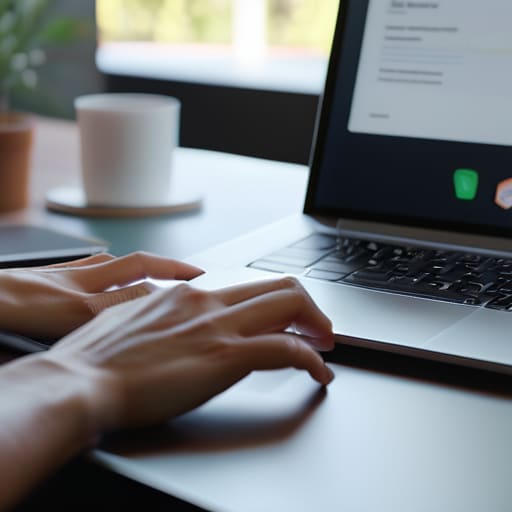
Now, you’re probably wondering where you’ll actually be interacting with this tool most of the time. In the battle of browser extension vs mobile app, there isn’t a single winner, but there is definitely a “best way” depending on what you’re doing. If you’re sitting at your desk tackling emails or online shopping, the browser extension is your best friend. It lives right in your Chrome or Safari toolbar, automatically filling in your login details the second a site asks for them. It’s seamless, fast, and honestly feels like having a tiny assistant sitting on your shoulder.
However, don’t neglect the mobile app. While the extension handles the heavy lifting on your computer, the app is what ensures you aren’t locked out when you’re out running errands or trying to log into a banking app on your phone. For the most robust approach to storing sensitive credentials safely, I recommend using both. Use the extension for your deep-work sessions at home, but make sure the mobile app is installed and synced. This way, your digital life stays fluid, no matter which device you happen to be holding.
Five Ways to Make Your Password Manager Actually Work for You
- Start with your “Big Three.” Don’t try to migrate every single account overnight—that’s how you get overwhelmed and quit. Just start with your email, your primary bank, and your main social media account. Once those are locked down and tucked away in the manager, the rest will feel much less daunting.
- Embrace the Master Password. Think of this as the single key to your entire digital house. It needs to be something you can actually remember, but it shouldn’t be your dog’s name or your birthday. I like using a “passphrase”—a string of four or five random, unrelated words. It’s easier for my brain to picture a “blue-stapler-mountain-coffee” than a string of gibberish, and it’s incredibly secure.
- Audit your “weak links” as you go. Every time you log in to an old account and the manager suggests a new, complex password, take it. It’s like cleaning out a junk drawer; you might as well replace the old, broken stuff with something that actually works while you’re already looking through it.
- Don’t forget the emergency kit. Most managers provide an “Emergency Access” feature or a recovery key. Print this out. Put it in your physical filing cabinet or your fireproof safe. If you lose access to your master password, you don’t want to be left standing outside your own digital front door with no way in.
- Use the mobile app for the “on-the-go” stuff. I used to hate typing long passwords on my phone, but once I set up the biometric login (like FaceID or a fingerprint), it’s faster than any manual typing could ever be. It’s one less thing to stress about when you’re trying to check something quickly while out and about.
## The Mental Load of Security
“Think of a password manager as the digital equivalent of a well-organized junk drawer—except instead of tangled cords and old batteries, it holds the keys to your entire digital life, keeping everything exactly where you need it so you can stop worrying about the ‘what ifs’ and get back to your actual day.”
Elena Vance
Taking Control of Your Digital Keys

At the end of the day, setting up a password manager isn’t about adding another task to your to-do list; it’s about stripping away the mental clutter that comes with digital chaos. We’ve walked through the basics of picking a reliable tool, getting your initial vault organized, and deciding whether the browser extension or the mobile app fits your daily flow better. Remember, you don’t have to migrate every single account in one frantic afternoon. Start with your most important ones—your email, your banking, and your primary socials—and build your digital security piece by piece until the system feels second nature.
I know that shifting your habits can feel like a chore, especially when you’re already juggling a million other things. But once you cross that threshold, you’ll realize that the peace of mind is worth the small learning curve. You aren’t just managing codes; you are reclaiming your headspace from the constant anxiety of “Wait, was that my old password or the new one?” Stop letting your logins run your life. Get the tool, set it up, and then get back to the things that actually matter. You’ve got this.


I believe that a well-run home shouldn't require a PhD or a massive budget. My goal is to strip away the complexity so you can focus on actually living in your space. Let's keep things practical, efficient, and genuinely useful.
View All Articles