
I used to think that staying healthy while working meant I had to invest in a three-thousand-dollar standing desk or join a boutique spin class that costs more than my monthly grocery bill. Honestly, it’s exhausting just thinking about it. Between back-to-back client calls and the endless flow of emails, most of us don’t have the luxury of a dedicated “wellness hour” or a home gym setup. We just have our desks, our chairs, and a growing sense of stiffness in our necks. I spent years in corporate offices watching people try to force these complicated fitness rituals into a schedule that simply didn’t allow for them, and frankly, it’s nonsense. We need to stop looking for expensive silver bullets and start figuring out how to stay active at work using what we actually have on hand.
I’m not here to sell you on a lifestyle overhaul or a complicated routine that takes an hour to complete. Instead, I’m going to share a few low-effort, high-impact strategies that I’ve integrated into my own freelance life to keep the brain fog at bay and my joints moving. We’re talking about small, realistic adjustments that fit into the cracks of a busy day without making you feel like you’re performing for an audience. No fluff, no expensive gear—just practical ways to keep your body functioning while you get your work done.
Smart Desk Stretches for Office Workers
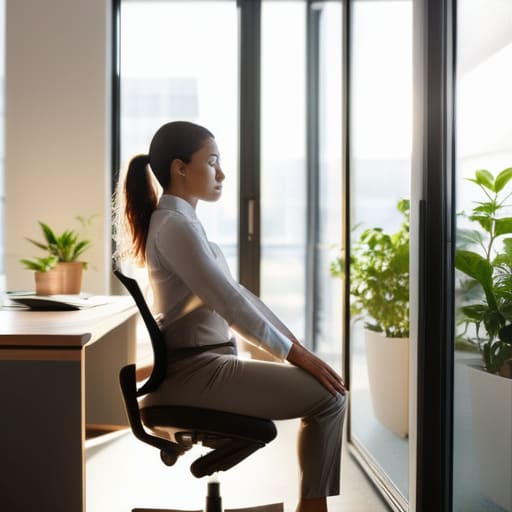
Let’s be real: most of us spend more time staring at a monitor than we do moving our bodies, and that stiffness in your neck isn’t just “part of getting older.” You don’t need a yoga mat or a change of clothes to find some relief. I’ve found that the best desk stretches for office workers are the ones you can do without looking like you’re performing a full-blown workout in the middle of a Zoom call. Start with a simple seated spinal twist—sit tall, place your left hand on your right knee, and gently rotate your torso. It’s a game-changer for that mid-afternoon tightness.
If your shoulders are creeping up toward your ears (and mine definitely are), try some seated chest openers. Interlace your hands behind your back and gently pull your shoulders down and away from your head. This helps counter the “hunch” we all get from typing. Incorporating these tiny micro-breaks for productivity doesn’t just help your physical comfort; it actually clears the brain fog that settles in around 3:00 PM. Just a minute of movement can make your entire afternoon feel a lot more manageable.
Maximizing Standing Desk Benefits Without the Fuss
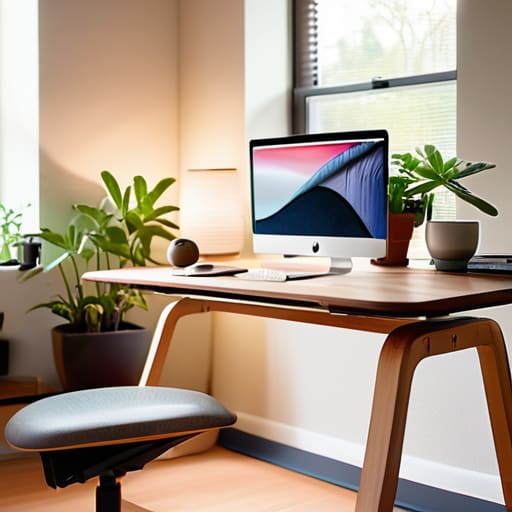
Look, I’ve seen those setups where people treat a standing desk like a fitness challenge, standing perfectly still for eight hours straight. That’s not the goal, and honestly, it’ll just wreck your lower back. To actually reap the standing desk benefits, you have to treat it as a tool for movement, not a replacement for a chair. The trick is to treat your desk as a dynamic space. Think of it as a way to facilitate micro-breaks for productivity rather than a stationary post.
Instead of staying frozen, try shifting your weight from foot to foot or using a small footrest to change your hip angle every so often. If you’ve invested in an ergonomic workstation setup, make sure your monitor is at eye level so you aren’t slouching while you stand. I’ve found that the most effective way to avoid that midday slump is to pair standing intervals with short bursts of movement—maybe a quick calf raise while you’re reading an email. It’s about keeping the body engaged without making your workday feel like a marathon.
Small Shifts to Keep You Moving
- Stop relying on the elevator for anything under three floors. It sounds cliché, but those extra steps at the start or end of your day add up faster than you think, and it’s a great way to clear your head before a big meeting.
- Try the “walking meeting” whenever you can. If you don’t need to stare at a shared screen, grab your headset and pace your hallway or walk around the block while you talk. It keeps the energy up and stops that mid-afternoon slump from hitting so hard.
- Treat your water intake as a built-in movement trigger. Instead of keeping a massive gallon jug at your desk, use a smaller glass. It forces you to get up and walk to the kitchen or the water cooler more often, which naturally breaks up those long bouts of sitting.
- Set a “micro-break” timer on your phone or computer. Don’t aim for an hour at the gym; just aim for two minutes every hour to stand up, shake out your arms, or just walk to the window. It’s about preventing that stiff, “frozen” feeling in your joints.
- Use your commute—or your “fake commute” if you’re working from home—to get moving. Park a little further away from the entrance or take a ten-minute stroll around the neighborhood before you sit down at your desk. It sets a physical rhythm for your workday.
The Reality of Movement
“We don’t need a gym membership or a high-tech ergonomic setup to stay healthy; we just need to stop treating our chairs like cages and start finding small, practical ways to move throughout the day.”
Elena Vance
Making it Work for You
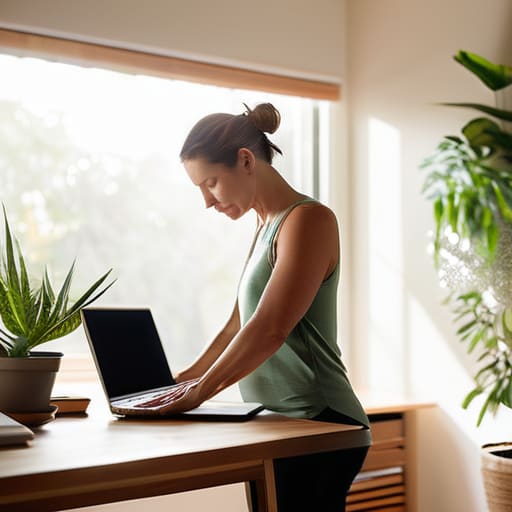
At the end of the day, staying active isn’t about turning your workspace into a high-intensity gym or buying every piece of ergonomic gear on the market. It’s really just about small, intentional shifts in how you move through your afternoon. Whether you’re using those quick desk stretches to release tension in your shoulders or making sure you actually stand up for a few minutes during your next Zoom call, the goal is consistency over intensity. You don’t need a complicated fitness regimen to combat the stiffness of a long workday; you just need to stop treating your chair like a permanent fixture and start listening to what your body is telling you.
I know how easy it is to get swallowed up by a mounting to-do list and forget that you even have a body until your neck starts aching. But remember, you can’t be productive if you’re running on empty or feeling physically drained. Treat these little movements as a way to reclaim your energy rather than just another task on your list. You’ve got this. Start small, keep it simple, and just focus on feeling a little more human by the time you close your laptop for the evening.


I believe that a well-run home shouldn't require a PhD or a massive budget. My goal is to strip away the complexity so you can focus on actually living in your space. Let's keep things practical, efficient, and genuinely useful.
View All Articles