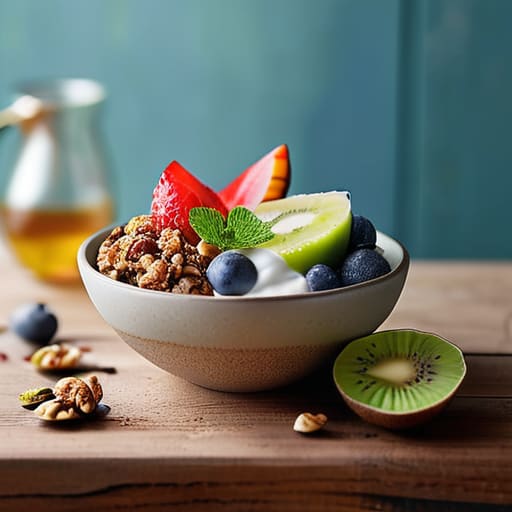

I was sitting at my kitchen island last Tuesday, staring at a “healthy” granola bar that had more syrup in it than a slice of birthday cake, and I just had enough. I am so tired of the wellness industry acting like you need a specialized nutritionist and a thousand-dollar grocery budget just to figure out how to reduce sugar in your daily life. It feels like every time you turn around, there’s a new, expensive “superfood” meant to replace your cravings, when really, we just need to get back to basics and stop falling for the clever marketing on the front of the box.
I’m not here to give you a complicated meal plan or tell you to live on kale smoothies. Instead, I want to share the practical, low-stress swaps that actually worked for me when I decided to reclaim my energy. We’re going to look at real-world ways to navigate the pantry and the grocery aisles without making your life feel like a chore. My goal is to help you strip away the confusion so you can make smarter choices that actually stick, leaving you with more time and much less brain fog.
Unmasking Hidden Sugars in Processed Foods

The biggest hurdle I ran into when I first decided to clean up my pantry wasn’t willpower—it was the sheer deception of food labeling. You can buy something that looks perfectly wholesome, like a “hearty” granola or a jar of marinara, only to realize it’s essentially a dessert in disguise. Manufacturers are masters at hiding hidden sugars in processed foods by using a dozen different names for the same thing. One minute you’re reading about cane sugar, and the next, you’re staring at maltodextrin, barley malt, or high fructose corn syrup.
I’ve learned that if a product has more than a couple of ingredients, you really need to flip that jar around. I keep a mental rule: if the first three ingredients include anything ending in “-ose,” it’s probably going to cause a massive crash later. Instead of getting caught in a cycle of managing blood sugar spikes caused by these sneaky additives, I’ve started prioritizing whole, single-ingredient items. It’s much easier to control what goes into your body when you aren’t playing detective every time you go grocery shopping.
Practical Steps for Managing Blood Sugar Spikes

Instead of trying to overhaul your entire diet overnight, I’ve found that focusing on the order in which you eat your food makes a massive difference. If you start a meal with a bowl of pasta or white bread, you’re essentially inviting a massive energy crash an hour later. A much simpler approach is to prioritize fiber and protein first. By tucking into some greens or a bit of chicken before hitting the heavy carbs, you’re effectively managing blood sugar spikes by slowing down how quickly glucose enters your bloodstream. It’s not about deprivation; it’s about strategic sequencing.
Another thing that helps me stay steady is leaning more heavily on low glycemic index foods throughout the day. Think oats instead of sugary cereals, or berries instead of tropical fruit juices. These options provide a slow, consistent release of energy rather than that frantic spike-and-crash cycle. If you’re craving something sweet after dinner, try reaching for a handful of nuts or a bit of Greek yogurt. It keeps your hands busy and your levels stable, which is a much more sustainable way to navigate cravings without feeling like you’re constantly fighting your own body.
Small Shifts for a Sweeter Life (Without the Crash)
- Stop drinking your sugar. I spent years grabbing flavored lattes or sodas on the go, not realizing they were basically liquid dessert. Switching to sparkling water with a squeeze of fresh lime or just plain old herbal tea makes a massive difference in your daily intake without feeling like a sacrifice.
- Master the art of the pantry audit. Grab a notebook—the same one I use for my project notes—and go through your cupboards. If a snack is loaded with high fructose corn syrup or cane sugar in the first three ingredients, it’s probably not worth the energy crash. If it’s not in the house, you won’t eat it.
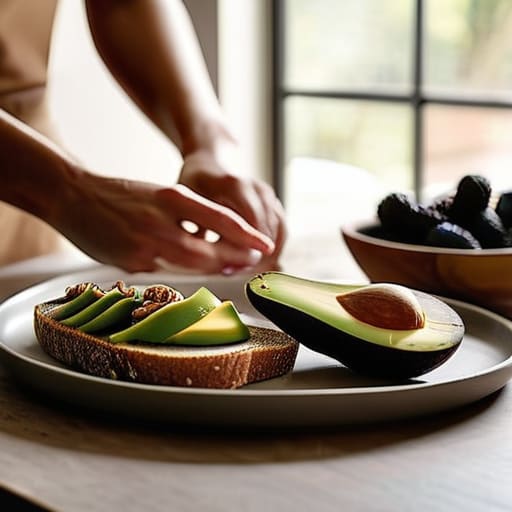
- Lean on healthy fats and protein to stay full. Most of my mid-afternoon sugar cravings happen because my lunch was too carb-heavy. Adding some avocado, a handful of nuts, or some Greek yogurt to your meals keeps your blood sugar steady so you aren’t hunting for a cookie an hour later.
- Read labels like a pro, not a scientist. You don’t need a degree to spot the culprits. Look for the sneaky names like maltodextrin, dextrose, or agave nectar. If you see a long list of words you can’t pronounce, it’s usually a sign that the “natural” product is more processed than it needs to be.
- Don’t aim for perfection; aim for progress. If you try to cut every single gram of sugar overnight, you’re going to burn out by Tuesday. Start by swapping one processed snack for a piece of fruit or choosing unsweetened yogurt. It’s about building sustainable habits, not punishing yourself.
## A Simple Shift in Perspective
“Reducing sugar isn’t about deprivation or following a complicated, expensive meal plan; it’s just about reclaiming control over your pantry so the food actually serves you, rather than the other way around.”
Elena Vance
Small Changes, Real Results
At the end of the day, cutting back on sugar isn’t about achieving some impossible level of perfection or tossing everything in your pantry. It’s really just about being a bit more intentional with what you bring into your kitchen. We’ve looked at how to spot those sneaky, hidden sugars in labels and how to stabilize your energy by managing those inevitable blood sugar spikes. If you can master those two things—reading a label and pairing your carbs with some protein or fiber—you’ve already won half the battle. Remember, it’s not about deprivation; it’s about making smarter, simpler swaps that actually work for your real, busy life.
I know it can feel overwhelming when you first decide to make a change, especially when the world seems designed to keep us hooked on sweetness. But please, be kind to yourself. If you have a piece of cake at a birthday party or grab a soda on a stressful afternoon, don’t let it derail your entire week. Progress isn’t a straight line, and it certainly doesn’t require a massive lifestyle overhaul to be effective. Just focus on one small win at a time. You don’t need a complex roadmap to feel better; you just need to keep showing up for yourself. You’ve got this.


I believe that a well-run home shouldn't require a PhD or a massive budget. My goal is to strip away the complexity so you can focus on actually living in your space. Let's keep things practical, efficient, and genuinely useful.
View All Articles