
I was mid-way through refinishing a stubborn walnut sideboard last Tuesday when my phone started buzzing incessantly with notifications that didn’t actually matter. It’s that familiar, frantic hum that makes you feel like you’re constantly playing catch-up with a device that’s supposed to be serving you. We’ve been sold this idea that to stay “connected,” we need to master every complex new feature or buy the latest expensive accessory, but most of those smartphone tips and tricks you see in glossy tech magazines are just unnecessary noise. Honestly, if a setting doesn’t save me time or reduce my mental clutter, I don’t want it.
I’m not here to turn you into a tech wizard or walk you through a twenty-step coding process. My goal is much simpler: I want to help you strip away the digital chaos. I’ve spent the last few weeks testing a handful of practical, no-nonsense adjustments that actually make a difference in a busy day. I’m going to share the specific tweaks that helped me reclaim my focus, ensuring your phone becomes a useful tool rather than another source of overwhelm.
Mastering Ios Secret Shortcuts for Less Screen Time
If you’re like me, you probably pick up your phone to check one thing and suddenly find yourself forty minutes deep into a social media rabbit hole. It’s exhausting. One of my favorite ways to reclaim that lost time is by leaning into ios secret shortcuts that actually automate the boring stuff. Instead of manually toggling settings or hunting through apps, I use the Shortcuts app to create “one-tap” routines. For example, I have a “Wind Down” shortcut that simultaneously turns on Do Not Disturb, dims my brightness, and opens my meditation app. It removes the friction of decision-making and helps me put the phone down sooner.
Another trick for better mobile device optimization is setting up “Focus Modes” tailored to your environment. I’ve programmed my phone to hide all work-related email notifications the second I step into my home office or start my evening furniture restoration projects. By filtering out the digital noise, you aren’t just managing your tech; you’re protecting your mental bandwidth. It’s about making the device serve your schedule, rather than letting your schedule be dictated by every buzz and ping in your pocket.
Android Productivity Hacks That Actually Save You Time
If you’re an Android user, you’ve likely realized that the sheer amount of customization can feel like a double-edged sword. It’s easy to get lost in the settings, but when you dial it in, these devices are absolute powerhouses for getting things done. One of my favorite android productivity hacks is leveraging the “Split Screen” feature. Instead of constantly flipping back and forth between your email and a calendar app—which is a total time-sink—you can run them side-by-side. It’s a game changer for managing my freelance client requests without losing my place in a project brief.
Another thing I swear by is cleaning up your notification tray to master some basic mobile multitasking techniques. I used to let every single app ping me, which was a recipe for constant distraction. Now, I use “Do Not Disturb” schedules and prioritize only the essentials. This doesn’t just help your focus; it’s actually a subtle way of improving battery life by preventing your phone from constantly waking up to unnecessary alerts. Let’s stop letting the device run us and start making it work for our schedules instead.
Small Tweaks to Stop Your Phone from Owning You
- Clean out your notification drawer like you’re decluttering a junk drawer. Go into your settings and turn off everything that isn’t from a real person or a time-sensitive alert. If a shopping app is pinging you about a sale at 2 PM, it’s just noise—mute it.
- Set up a “Focus Mode” for your deep-work hours. I use this when I’m mid-project or trying to enjoy a quiet coffee; it silences everything except my most essential contacts so I can actually breathe without a buzz in my pocket.
- Stop hunting for your most-used apps. Organize your home screen so only the essentials—the ones you actually need for utility, not mindless scrolling—are visible. Everything else belongs in the App Library or a folder on the second page.
- Use your voice assistant for the little things you always forget. Instead of typing out a grocery list while you’re distracted, just tell your phone, “Add almond milk to my list.” It keeps your hands free and your brain from getting cluttered with mental to-do lists.
- Take a look at your battery usage in your settings. If you see an app you haven’t touched in weeks sucking up power in the background, delete it. It’s one less thing for your device to manage and one less reason for your battery to die before dinner.
The Real Goal of Tech
“Your phone should be a tool that serves your life, not a master that demands your constant attention; let’s stop scrolling aimlessly and start making these devices work for us instead.”
Elena Vance
Reclaiming Your Digital Space
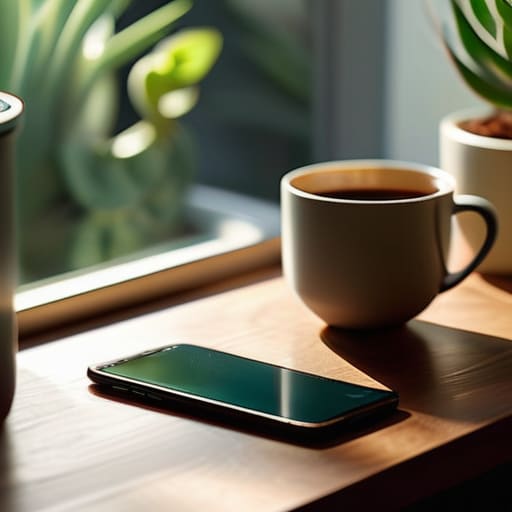
At the end of the day, whether you’re navigating the subtle shortcuts of an iPhone or streamlining your Android workflow, the goal is the same: making the tech work for you, rather than the other way around. We’ve covered how to slash your screen time by mastering those hidden iOS commands and how to turn your Android device into a genuine productivity partner. It’s not about becoming a tech wizard or spending hours scrolling through forums; it’s about implementing a few practical, high-impact tweaks that clear the digital clutter. Once you stop fighting against your device’s default settings, you’ll find that you actually have more breathing room in your schedule.
I know how easy it is to feel like your phone is a constant, buzzing distraction that demands your attention every five minutes. But remember, these tools are meant to serve your life, not dictate it. My advice? Pick just one or two of these tips to try out this week. Don’t feel like you have to overhaul everything overnight. Start small, stay consistent, and focus on intentionality over impulse. When you finally master your digital environment, you’ll realize that the most important thing your smartphone can do is help you get back to the real world—the one where the furniture needs sanding and the coffee is still warm.


I believe that a well-run home shouldn't require a PhD or a massive budget. My goal is to strip away the complexity so you can focus on actually living in your space. Let's keep things practical, efficient, and genuinely useful.
View All Articles