

I was sitting at my kitchen table last Tuesday, surrounded by half-finished sanding projects and a mountain of tangled charging cables, feeling that familiar, low-grade hum of frustration. We’ve all been there: staring at a new device that promised to “simplify your life” but instead feels like it requires a master’s degree just to turn the volume up. The tech industry loves to sell us complexity wrapped in shiny packaging, making us feel like we’re falling behind if we don’t own every single gadget on the market. But honestly? Most of those bells and whistles are just noise. I’ve realized that finding actual, useful tech tips for beginners shouldn’t feel like a chore or an invitation to spend a fortune on things you’ll never use.
I’m not here to pitch you the latest expensive ecosystem or drown you in jargon that makes your head spin. My goal is to give you a few practical, no-nonsense shortcuts that actually make your digital life feel a little more manageable and a lot less chaotic. We’re going to focus on the small, functional tweaks that save you time and mental energy, so you can stop fighting with your gadgets and get back to actually living.
Mastering Digital Literacy Basics Without the Stress

I’ve always believed that the biggest barrier to using new tech isn’t the hardware itself, but the sheer volume of jargon thrown at us. When we talk about digital literacy basics, it shouldn’t feel like you’re studying for a computer science degree. It’s really just about getting comfortable with the logic behind the screen. For instance, once you realize that most icons follow a consistent “visual language,” the intimidation factor drops significantly. Whether it’s a swipe, a tap, or a long press, these actions are just tools designed to help you interact with your world more easily.
The trick is to stop trying to learn everything at once. If you’re currently simplifying digital devices in your own home, start with the one thing you use most—likely your phone or laptop. Focus on mastering a few core functions, like managing your files or securing your passwords, before moving on to anything more complex. You don’t need to know how the software is coded; you just need to know how to make it work for you. Keep it simple, keep it practical, and don’t be afraid to click around—that’s how most of us actually learn.
Understanding Modern Gadgets Without the Manual
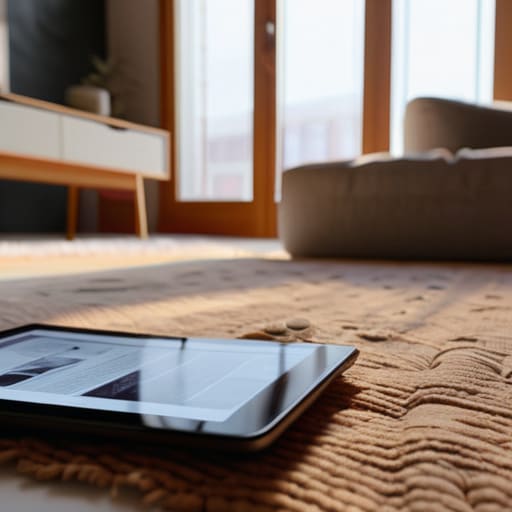
I’ve lost count of how many times I’ve sat on my living room floor, surrounded by crumpled instruction booklets, wondering why a simple device needs a manual the size of a phone book. Honestly, most of those guides are written for engineers, not for people who just want to check their email or set a timer. When it comes to understanding modern gadgets, I’ve learned that you don’t actually need to read every line of fine print. Most devices follow a similar logic: there’s a way to turn it on, a way to connect it to your Wi-Fi, and a way to turn it off. Once you grasp those three pillars, the rest is just fiddling around until it works.
Instead of getting bogged down in technical jargon, try focusing on the interface. Whether you’re working on simplifying digital devices like a new tablet or a smart speaker, look for the icons that look familiar. A little gear usually means settings; a magnifying glass means search. If you get stuck, don’t panic. Most of the time, a quick restart or a simple tap in the right direction is all it takes to get back on track.
Five Small Moves to Reclaim Your Digital Sanity
- Stop fighting your notifications. Go into your phone settings and turn off everything that isn’t a human trying to reach you. You don’t need a buzz in your pocket every time a random app has a “sale” or a “suggestion.” It’s just digital noise, and you don’t have to listen to it.
- Embrace the “Search” bar instead of digging through menus. Whether it’s in your email, your photo library, or your computer files, stop clicking through folders like you’re looking for a lost sock. Just type what you’re looking for into that little magnifying glass icon; it’s much faster and saves you a lot of unnecessary clicking.
- Use a password manager so you can actually stop hitting “Forgot Password” every Tuesday. I know, it feels like one more thing to learn, but once you set it up, you can stop the mental gymnastics of trying to remember if your dog’s name plus a special character is still your login. It’s one less thing to carry in your head.
- Keep your “digital junk drawer” under control by unsubscribing as you go. Every time an annoying marketing email hits your inbox, don’t just delete it—scroll to the bottom and hit unsubscribe. It takes five extra seconds now, but it saves you from a cluttered inbox later.
- Don’t be afraid to hit the “Restart” button. It sounds cliché, but half the time when my laptop or tablet starts acting moody, a simple restart clears out the cobwebs and fixes the glitch. It’s the digital equivalent of taking a deep breath and starting over.
A New Way to Look at Technology
“Technology should be a tool that serves your life, not a second job that demands your constant attention. If a gadget makes your day more complicated instead of simpler, it’s okay to walk away from it.”
Elena Vance
Taking Control of Your Digital Space

At the end of the day, getting comfortable with technology isn’t about memorizing every single feature or keeping up with every shiny new gadget that hits the market. It’s about building a foundation of digital literacy and knowing which tools actually serve your lifestyle. We’ve looked at how to navigate the basics without the panic and how to approach new devices without feeling like you need a degree in computer science just to turn them on. Remember, the goal isn’t to become a tech expert; it’s to ensure that your devices are working for you, rather than the other way around. If you can master the core essentials, you’ve already won half the battle.
I know it can feel overwhelming when the world seems to change its “operating system” every other week, but I promise you, you can handle this. Don’t be afraid to poke around, click a few buttons, or even make a mistake—that’s often how the best learning happens. My advice is to take it one small step at a time and only focus on what actually adds value to your daily routine. You deserve to have a home that feels seamless and stress-free, and that includes your digital life. You’ve got this, and I’m rooting for you.


I believe that a well-run home shouldn't require a PhD or a massive budget. My goal is to strip away the complexity so you can focus on actually living in your space. Let's keep things practical, efficient, and genuinely useful.
View All Articles