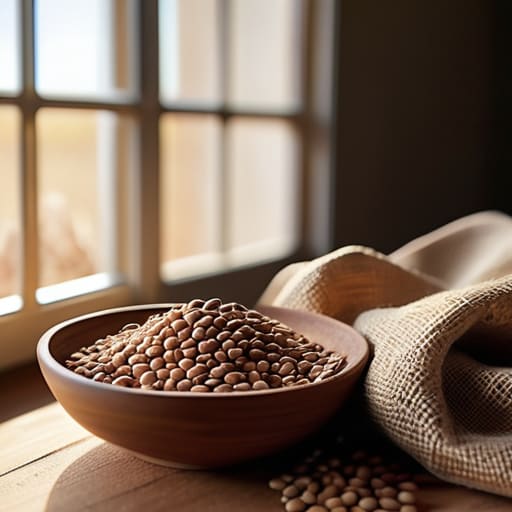

I used to think that mastering legumes meant buying expensive pressure cookers or following those ridiculous, twenty-step recipes that treat a simple dried bean like a delicate chemistry experiment. Honestly, the sheer amount of gatekeeping around how to cook beans and lentils is exhausting; you don’t need a culinary degree or a kitchen full of gadgets just to get a decent protein on your plate. I remember standing in my old corporate kitchen, staring at a bag of dried lentils and feeling completely defeated by a cookbook that made it sound like I was performing open-heart surgery instead of just making dinner.
I’m over the fluff, and I know you are too. My goal here is to strip away all that unnecessary noise and give you the actual, practical mechanics of the process. I’m going to show you how to get perfect results using nothing more than a standard pot and a bit of common sense. We’re going to focus on reliable, repeatable methods that fit into a busy life, so you can stop worrying about mushy textures and start actually enjoying your food.
Soaking Dried Beans vs No Soak Which Saves More Time
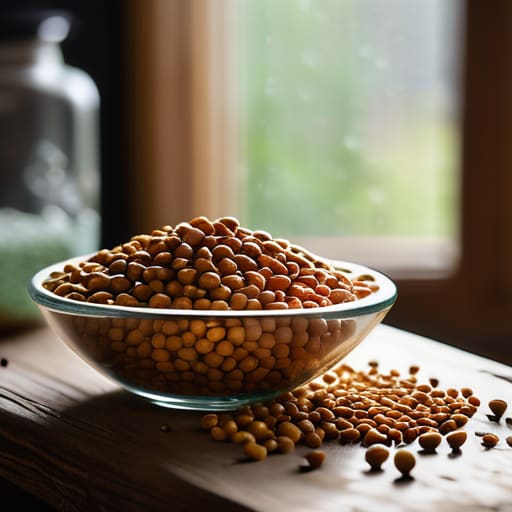
This is where most people get stuck, and honestly, I used to be one of them. I used to think that if I didn’t spend twelve hours soaking my chickpeas overnight, I was somehow doing it wrong. But here’s the truth: when you’re looking at soaking dried beans vs no soak, it really comes down to your schedule and your digestive system. If you have the foresight to start a soak the night before, your beans will cook faster and generally feel a bit lighter on your stomach. However, if you’re staring at a bag of dried beans at 6:00 PM on a Tuesday, don’t panic.
You can absolutely skip the soak, but you do need to adjust your expectations regarding cooking times for different legumes. Without that head start, expect things to take significantly longer on the stove. If you’re truly pressed for time and want to bypass the wait entirely, I highly recommend using a pressure cooker; it’s a total game-changer for busy weeknights. Just keep an eye on your liquid ratios so you avoid the dreaded texture of mushy, overcooked beans.
Stovetop Legume Preparation Tips for Busy People
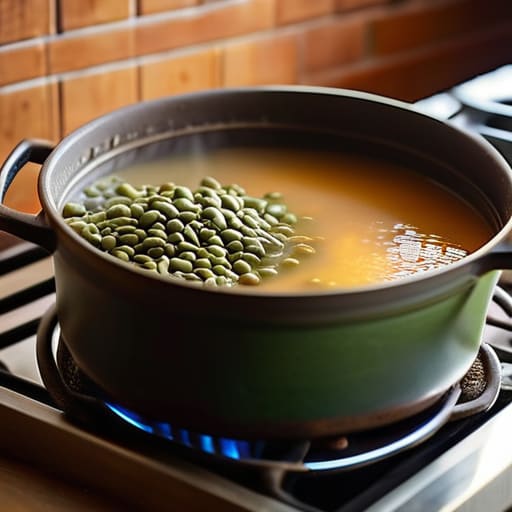
Once you’ve decided whether you’re going the soak or no-soak route, the real magic happens on the stove. My biggest piece of advice? Watch your heat. I’ve seen too many people crank the burner to high thinking it’ll speed things up, but all that does is scorch the bottom of the pot and leave you with unevenly cooked legumes. Keep it at a gentle simmer. It’s much more forgiving and helps in preventing mushy beans that fall apart the second they hit your salad or bowl.
Timing is everything, too. Since cooking times for different legumes vary wildly—we’re talking twenty minutes for red lentils versus over an hour for kidney beans—I always keep a small notebook nearby to jot down my successes and failures. If you’re feeling extra hungry, you can always pivot to pressure cooker bean instructions for a faster fix, but there is something deeply meditative about the slow simmer on a stovetop. Just keep an eye on the liquid levels, add a splash more water if things look low, and let the process work for you rather than against you.
My Little Cheat Sheet for Perfect Legumes
- Don’t be afraid of salt. Add a generous pinch to your soaking or cooking water; it seasons the bean all the way to the center rather than just coating the outside.
- Skip the acid until the very end. Adding tomatoes, lemon juice, or vinegar too early can toughen the skins, so wait until they’re soft before you add the bright stuff.
- Use what you have on hand for flavor. I usually toss a bay leaf, a smashed garlic clove, or even an old onion skin into the pot—it adds depth without any extra chopping or cleanup.
- Keep an eye on the texture. Lentils move fast compared to beans, so if you’re cooking them in the same kitchen, give the lentils a little extra attention so they don’t turn into mush while you’re waiting on the beans.
- Save your liquid. If you’re making a soup or stew, don’t dump all that cooking water down the drain; it’s full of starch and flavor that can act as a natural thickener for your next meal.
My Philosophy on the Humble Legume
“Forget the complicated charts and the fear of getting it wrong; cooking beans is less about following a rigid science and more about learning to listen to the pot while you reclaim your evening.”
Elena Vance
Making It Part of Your Routine
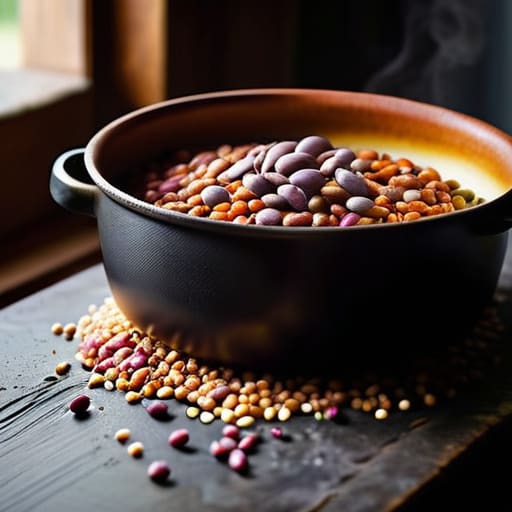
At the end of the day, mastering beans and lentils isn’t about following a rigid, scientific formula; it’s about knowing enough to trust your intuition. Whether you decide to soak your beans overnight to save your digestion or skip the soak to save time, or whether you’re simmering a pot on the stove while you tackle your inbox, the goal is the same: efficiency. Remember to keep an eye on your liquid ratios, don’t be afraid to season as you go, and most importantly, don’t let the fear of a little trial and error stop you from starting. Once you get the hang of the basic timing, these pantry staples become the ultimate low-effort, high-reward foundation for almost any meal.
I know that when your to-do list is a mile long, even something as simple as cooking from scratch can feel like “one more thing” on your plate. But I promise you, once you strip away the intimidation, it’s actually one of the best ways to reclaim a sense of control over your kitchen and your budget. You don’t need fancy equipment or a culinary degree to make something nourishing and delicious. Just grab a pot, set a timer, and let the process work for you instead of against you. You’ve got this, and your future, well-fed self will definitely thank you.


I believe that a well-run home shouldn't require a PhD or a massive budget. My goal is to strip away the complexity so you can focus on actually living in your space. Let's keep things practical, efficient, and genuinely useful.
View All Articles