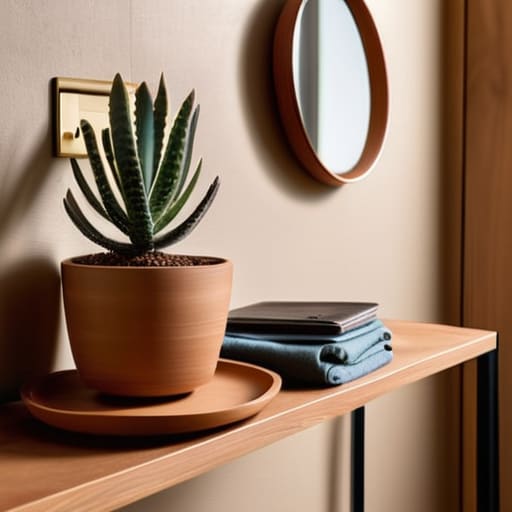

I was halfway through a mid-century sideboard restoration last Tuesday when I realized I couldn’t find my multi-tool. I didn’t have to look far, though; it was buried under a mountain of rogue mail, three pairs of muddy sneakers, and a stray umbrella near the front door. It’s that specific, frantic feeling of tripping over your own life the second you walk through the door that kills your momentum. We’ve been sold this lie that effective home entry organization requires a custom-built mudroom or a $500 set of designer bins, but honestly? Most of those expensive systems just become expensive places to hide more clutter.
I’m not here to sell you on a lifestyle overhaul that takes three weeks and a massive budget. Instead, I want to share the practical, low-maintenance systems I’ve actually used in my own home to keep the chaos at bay. We’re going to focus on functional simplicity—finding small, smart ways to manage the daily pile-up so you can stop wrestling with your foyer and start actually enjoying your space. Let’s get your entryway working for you, not against you.
Small Entryway Decluttering Tips for Real Life
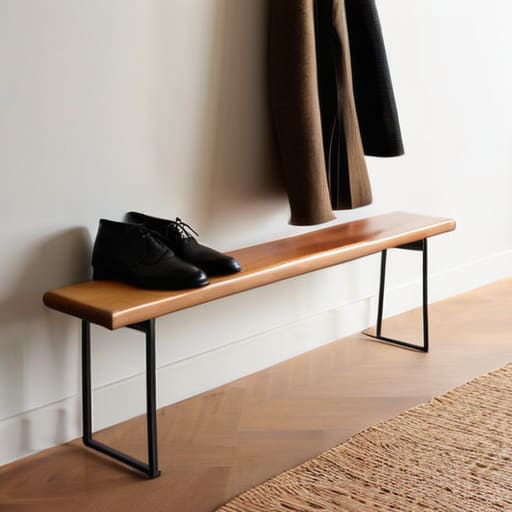
If you’re working with a cramped hallway or a tiny landing, the first thing you need to do is stop trying to “organize” the mess and start eliminating it. I’ve learned the hard way that you can’t organize your way out of having too much stuff. Before you buy a single basket, go through that pile of shoes and heavy winter coats. If you haven’t worn it in a year, it doesn’t belong in your entryway. These small entryway decluttering tips only work if you actually clear the deck first.
Once the surface clutter is gone, look for ways to use vertical space. Since floor real estate is at a premium, I’m a huge fan of using wall-mounted hooks or a slim entryway bench with storage to keep things off the ground. It’s about finding that sweet spot between entryway decor and function. You want it to look inviting, not like a storage unit, but you also need a designated spot for your keys and daily essentials so you aren’t hunting for them while you’re already running late.
Mudroom Storage Solutions Without the Massive Price Tag
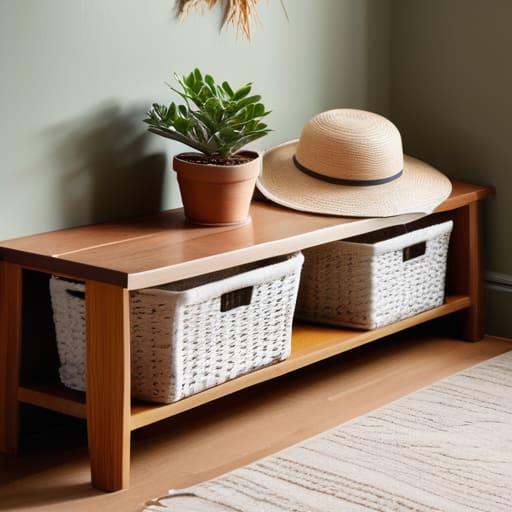
You don’t need a custom-built, built-in cabinetry system to make your entryway feel intentional. In fact, most of those high-end designer setups are just expensive ways to hide the same mess we’re all dealing with. Instead, look for versatile pieces that serve more than one purpose. I’m a huge fan of the entryway bench with storage—it’s a total game-changer. You get a spot to sit while you’re wrestling with your boots, and the cubbies underneath act as a landing zone for those stray seasonal items like scarves or sun hats.
If you’re working with a tighter budget or even less space, focus on verticality. I often tell my clients that when you run out of floor space, look at your walls. Simple wall-mounted hooks or a slim console table can act as excellent foyer organization ideas without requiring a contractor. For the smaller chaos—think keys, sunglasses, or that stack of bills—a dedicated tray or a small basket on a shelf is perfect for organizing mail and small items. It keeps the clutter contained so it doesn’t slowly migrate across your entire kitchen counter.
Five Quick Wins to Keep the Chaos at the Door
- Give every family member a dedicated “landing strip.” Whether it’s a specific basket for kids’ school papers or a single hook for your heavy work coat, having a designated spot for the things you grab every single morning stops the frantic morning scavenger hunt.
- Master the “One-In, One-Out” rule for footwear. If you bring home a new pair of boots, an old, beat-up pair needs to be donated or tossed. Your entryway floor will thank you for not turning it into a shoe graveyard.
- Use vertical space before you run out of floor space. If your entryway feels cramped, stop looking at the ground and start looking at the walls. Floating shelves or even a simple pegboard can hold keys, sunglasses, and mail without taking up an inch of walking room.
- Set up a “Command Center” for the small stuff. I keep a tiny tray or a decorative bowl right by the door for the essentials—keys, wallet, and my multi-tool. If it doesn’t have a home, it’s going to end up lost in the couch cushions by Tuesday.
- Audit your seasonal gear twice a year. Don’t let summer sandals and heavy winter scarves fight for space in the same small cabinet. When the season shifts, pack the “off-season” items away in a bin so your entryway stays functional, not cluttered.
The Philosophy of a Clear Threshold
Your entryway shouldn’t feel like a hurdle you have to jump over every time you walk through the door; it should be the deep breath you take before you head into the rest of your day.
Elena Vance
Final Thoughts on Your New Entryway
At the end of the day, organizing your entryway isn’t about achieving some flawless, Pinterest-perfect showroom look; it’s about removing the friction from your daily routine. Whether you decided to tackle a deep declutter, invested in a few budget-friendly mudroom bins, or simply set up a dedicated spot for your keys, you’ve taken a massive step toward a calmer home. Remember, the goal is to create a system that serves you, not a system that requires constant maintenance. If a basket gets messy or the mail piles up again next week, don’t sweat it—just reset and go again when you have a spare five minutes.
I know how it feels to walk through the door after a long day and immediately feel that spike of stress because of the chaos waiting for you. But by making these small, intentional changes, you’re reclaiming your peace of mind the moment you step inside. Your home should be your sanctuary, not another item on your to-do list that makes you feel overwhelmed. Take it one step at a time, keep it simple, and most importantly, make it work for your life. You’ve got this, and I promise, the extra bit of breathing room is absolutely worth the effort.


I believe that a well-run home shouldn't require a PhD or a massive budget. My goal is to strip away the complexity so you can focus on actually living in your space. Let's keep things practical, efficient, and genuinely useful.
View All Articles