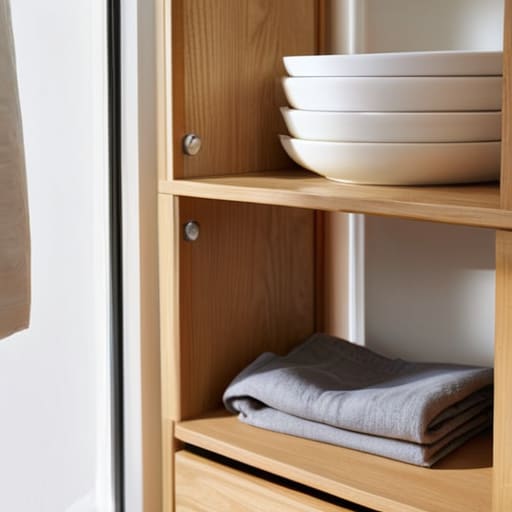

I’m so tired of seeing those “minimalist lifestyle” influencers suggest that the only way to master small space organization is to throw away everything you love and live in a white, empty box. Honestly, that’s not living; that’s just moving into a museum. I spent years in corporate offices where every square inch was optimized for efficiency, but when I moved into my current place, I realized that real life is messy. You have hobbies, you have tools, and you have stuff that actually matters. You don’t need to purge your entire personality just to make a studio apartment feel breathable.
In this post, I’m stripping away the expensive aesthetic trends and the complicated systems that take more time to maintain than they’re actually worth. I’m going to share the practical, low-cost strategies I’ve used to keep my own home functional without losing my mind or my budget. We aren’t looking for perfection here; we are looking for sanity. Let’s get into the actual, no-nonsense ways to make your home work for you, instead of you working for your home.
Smart Vertical Storage Solutions That Actually Work
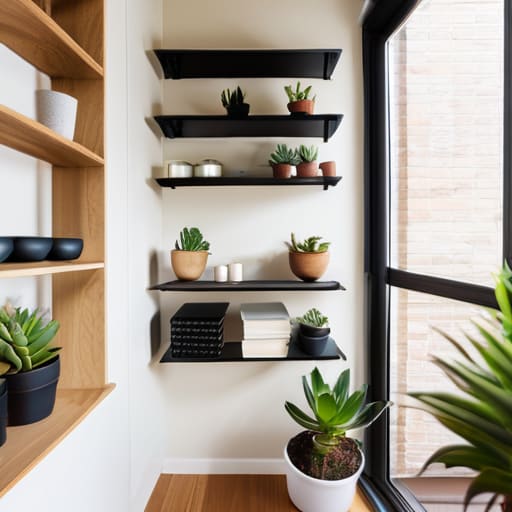
When you’re working with limited square footage, the biggest mistake I see people make is focusing entirely on the floor. We tend to treat the floor like it’s the only real estate we own, but the real magic happens when you start looking up. I’ve learned through years of managing chaotic projects (and my own cluttered studio) that vertical storage solutions are the absolute game-changer for anyone feeling claustrophobic in their own home. Think about your walls—they are essentially untapped storage potential just waiting to be used.
Instead of letting everything pile up on your desk or kitchen counters, I’m a huge advocate for floating shelves and pegboards. I recently installed a heavy-duty pegboard in my workspace, and it changed everything; now, my tools are visible and accessible rather than buried in a junk drawer. If you’re looking at your wardrobe, don’t just settle for a standard rod. Investing in a few decent closet organization systems, like hanging organizers or tiered shoe racks, can effectively double your usable hanging space without adding a single inch to the room’s footprint. It’s about working smarter, not adding more stuff.
Decluttering Tiny Apartments Without the Stress
The biggest mistake I see people make when they start decluttering tiny apartments is trying to do everything in one weekend. That’s a recipe for burnout, and frankly, it’s why most people give up halfway through. Instead of tackling the whole place, I like to pick one “zone”—maybe that junk drawer or that one corner of the bookshelf—and commit to just that. When you’re working with limited square footage, every single item needs to earn its keep. If you haven’t touched it in a year, it’s just taking up valuable real estate that you could be using to actually breathe.
Once you’ve cleared the excess, the goal isn’t just to have less stuff, but to make sure what remains is easy to manage. This is where I lean heavily on minimalist living tips that prioritize function over aesthetics. Don’t just shove things into random bins; think about how they fit into your daily flow. If you’re struggling to find a home for seasonal gear or extra linens, don’t fight the floor space—look toward under-bed storage hacks to keep the visual clutter out of your line of sight. Keeping things tucked away makes the room feel much larger and significantly calmer.
Five Low-Effort Tweaks to Keep Your Space From Feeling Crowded
- Stop ignoring your “dead” zones. I’ve found that the space above door frames or that awkward gap between the fridge and the wall is prime real estate for slim shelving or a simple tension rod.
- Get everything off the floor. Even if it’s just a small entryway, if your shoes and bags are constantly in the way, the whole room feels chaotic. Use wall-mounted hooks or a slim console to keep the walking paths clear.
- Use the “One In, One Out” rule religiously. Since we don’t have room for overflow, every time I bring a new piece of decor or a new kitchen gadget into my house, something old has to be donated or tossed. It’s the only way to keep the clutter from creeping back in.
- Invest in multi-purpose furniture, but keep it functional. An ottoman with hidden storage is great, but only if you actually use it. If you’re just buying it to “look organized,” it’s just more stuff to manage.
- Containerize your small stuff. Instead of having loose cords, office supplies, or spices rolling around in drawers, grab a few inexpensive, uniform bins. It makes a massive difference in how “finished” and calm a space feels when everything has a designated home.
The Real Goal of Organization
“At the end of the day, organization isn’t about having a showroom-perfect apartment; it’s about making sure your home actually serves you, rather than you spending all your free time fighting against it.”
Elena Vance
Making It Stick
At the end of the day, organizing a small space isn’t about achieving that sterile, magazine-ready look that feels impossible to maintain. It’s about finding a rhythm that works for your actual life. Whether you’re utilizing those vertical storage hacks we talked about to get things off your counters, or you’re finally tackling that pile of “maybe” items during a decluttering session, the goal is the same: reducing the friction in your daily routine. Remember, you don’t have to overhaul your entire apartment in a single weekend. Start with one shelf, one drawer, or even just one corner of a room. Progress over perfection is the only way to make these changes actually last.
I know how easy it is to look at a cramped living area and feel like the walls are closing in, but I promise you, you can reclaim your environment. Your home should be a place where you can breathe and recharge, not a source of constant mental clutter. Don’t let the scale of your space dictate how much you can enjoy it. Once you strip away the excess and find a system that serves you, you’ll realize that living well isn’t about how many square feet you own, but how effectively you use the space you have. Now, grab that notebook, pick one small task, and let’s get to work.


I believe that a well-run home shouldn't require a PhD or a massive budget. My goal is to strip away the complexity so you can focus on actually living in your space. Let's keep things practical, efficient, and genuinely useful.
View All Articles