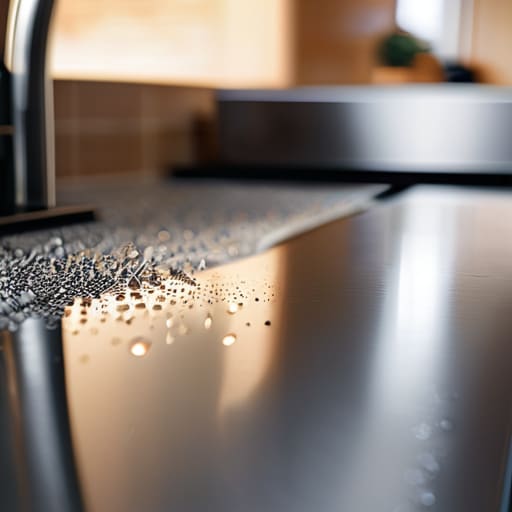

I’m going to say it: you don’t need a cabinet full of expensive, specialized sprays just to deal with your fingerprints and water spots. I used to think that too, especially back when I was working my corporate desk job and felt like I had to buy every “miracle” product that hit the shelves just to keep my kitchen looking professional. It’s exhausting, and frankly, it’s a waste of money. If you’ve been searching for how to clean stainless steel only to find yourself staring at a dozen different bottles of chemical-heavy cleaners, stop right there. You’re being sold a problem that doesn’t actually exist.
My goal here is to cut through that marketing noise and get straight to what actually works. I’m not going to give you a list of twenty complicated steps or suggest you buy a professional-grade buffing machine; I’m just going to show you how to get a streak-free finish using things you likely already have in your pantry. I promise to share a practical, low-stress approach that respects your time and your budget. Let’s strip away the complexity and just get your appliances looking clean so you can get back to your life.
The Golden Rule Always Follow the Cleaning Stainless Steel Grain Direction
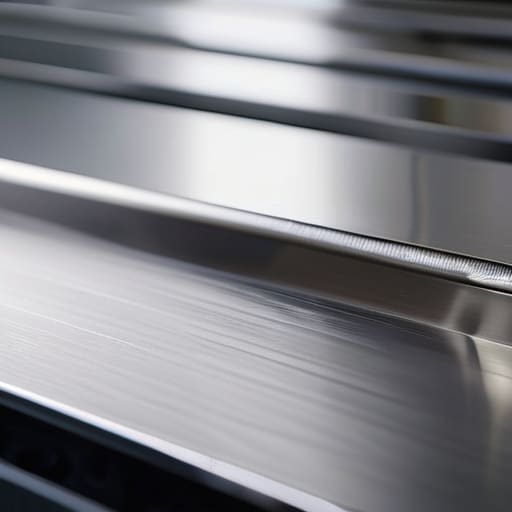
If there is one thing I’ve learned from years of tinkering with old furniture and managing busy households, it’s that direction matters. Before you reach for a sponge, take a second to actually look at your appliance. You’ll notice faint, linear streaks running either horizontally or vertically across the surface. That is your grain. Most people make the mistake of scrubbing in circles or going against those lines, which actually ends up trapping grime and making the surface look duller than when you started.
When you are cleaning stainless steel grain direction, your goal is to move your cloth in harmony with those lines. Think of it like brushing your hair; you wouldn’t go against the grain, right? By following these natural paths, you aren’t just being thorough—you’re actually much more effective at removing fingerprints from stainless steel without leaving behind those annoying little swirl marks. It’s a small habit, but it’s the difference between a surface that looks “wiped down” and one that truly looks professionally polished. Keep it simple, follow the lines, and you’ll save yourself a lot of unnecessary elbow grease.
Ditch the Expensive Sprays for the Best Cleaning Products for Metal Surface
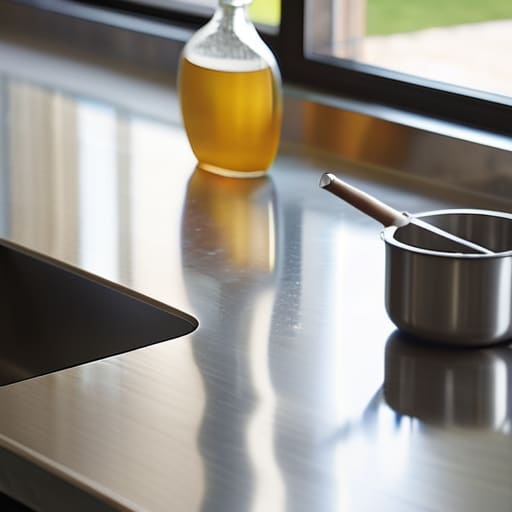
Look, I’ve spent way too much money in the past on those fancy, color-coded bottles that promise “miracle shine.” Most of them are just overpriced water with a heavy scent. If you’re looking for the best cleaning products for metal surfaces, you don’t need a specialty aisle; you likely already have the ingredients in your pantry. I’ve found that a simple mixture of white vinegar and a tiny bit of mild dish soap does the heavy lifting without leaving a chemical film behind.
For that final, professional touch, I swear by cleaning stainless steel with vinegar and oil. Once you’ve wiped the surface clean with a vinegar solution, take a tiny drop of olive oil or mineral oil on a dry microfiber cloth and buff it in. It’s the secret to preventing water spots on steel and gives your appliances that soft, satin glow. It’s efficient, it’s cheap, and it actually works. You don’t need a complicated chemistry set to keep your kitchen looking sharp—just keep it simple and stick to what’s reliable.
Five Quick Wins for a Spotless Finish
- Skip the abrasive sponges. I’ve learned the hard way that those heavy-duty scouring pads will leave tiny scratches that catch even more dirt later. Stick to a microfiber cloth or a soft sponge to keep the surface smooth.
- Use a drop of dish soap for the heavy lifting. If you’ve got greasy fingerprints or dried-on food, a little warm water and mild dish soap will do more than any fancy chemical cleaner ever could.
- Tackle water spots with a little vinegar. If your sink or faucet looks cloudy from hard water, just spray a bit of white vinegar on it, let it sit for a minute, and wipe it away. It’s cheap, effective, and actually works.
- Buff it to a shine with a tiny bit of oil. Once the surface is clean and dry, if you want that “just installed” glow, put a tiny drop of olive oil or mineral oil on a clean cloth and buff it in. It helps repel future fingerprints, too.
- Avoid the “spray and pray” method. Instead of spraying cleaner directly onto your appliances, spray it onto your cloth first. This prevents the liquid from seeping into the cracks and edges of your machines, which can cause issues down the line.
Keep It Simple, Keep It Clean
“You don’t need a chemistry degree or a cupboard full of overpriced specialty sprays to get a shine; you just need to respect the grain and stop overcomplicating a simple task.”
Elena Vance
Keep It Simple, Keep It Shiny

At the end of the day, cleaning stainless steel doesn’t need to be this big, daunting chore on your to-do list. Just remember the two things that actually matter: always wipe in the direction of the grain to avoid those annoying micro-scratches, and stop throwing money away on those fancy, specialized cleaners that promise miracles. A bit of mild soap, some warm water, and a soft cloth are usually all you need to get the job done. If you keep your approach practical and consistent, you’ll find that maintaining a clean kitchen becomes a quick five-minute task rather than a weekend-long struggle.
I know how it feels when the house starts to feel like it’s managing you instead of the other way around. We get caught up in the idea that we need the perfect tools or the most expensive products to have a beautiful home, but that’s just not true. My goal is to help you strip away that unnecessary noise so you can get back to what actually matters—like enjoying a quiet cup of coffee in a kitchen that feels calm and cared for. You don’t need a perfect home; you just need a functional, peaceful space where you can actually breathe. You’ve got this.


I believe that a well-run home shouldn't require a PhD or a massive budget. My goal is to strip away the complexity so you can focus on actually living in your space. Let's keep things practical, efficient, and genuinely useful.
View All Articles