

I used to think that learning how to make soup required a pantry full of exotic spices and three hours of standing over a stove, watching a pot bubble while my life passed me by. Honestly, the internet makes it sound so much more complicated than it actually is—as if you need a culinary degree just to get some nourishment into your system after a long workday. I’ve seen enough “gourmet” recipes that call for ingredients you can’t even find at your local grocery store, and frankly, I’m over it.
My goal here isn’t to turn you into a Michelin-star chef; it’s to show you that a warm, delicious meal can be achieved with whatever is currently sitting in your crisper drawer. I’m going to strip away the fluff and give you a straightforward, no-nonsense framework for building flavor without the stress. We’re going to focus on efficiency and practicality, so you can spend less time prepping and more time actually enjoying your evening. Let’s get into the basics of how to make soup that actually tastes like home.
Mastering Vegetable Soup Fundamentals Without the Stress
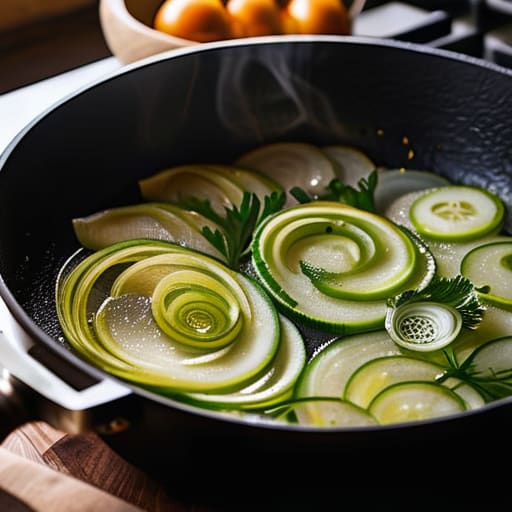
When you’re staring at a pile of random veggies in the crisper, don’t let the “chef” expectations intimidate you. Mastering vegetable soup fundamentals really comes down to one thing: building layers. I always start with a solid foundation of aromatics—think onions, garlic, and maybe some celery—sautéed in a bit of olive oil until they smell incredible. This is where you set the stage. If you’re wondering about stock vs broth for soup, don’t sweat the technicalities too much; just grab whatever is in your pantry. The stock usually has a bit more body, which helps create a more satisfying mouthfeel without any extra effort.
Once your base is set, it’s all about the patience of the simmer. You don’t need high heat to get things moving; in fact, a gentle bubble is much better for pulling out those deep, earthy notes. If you find your liquid is looking a little thin, you can actually try thickening soup naturally by mashing a few of the softer vegetables, like potatoes or carrots, directly into the pot. It adds a lovely, creamy texture without needing a heavy roux or a bunch of processed thickeners.
Stock vs Broth for Soup Choosing Your Foundation
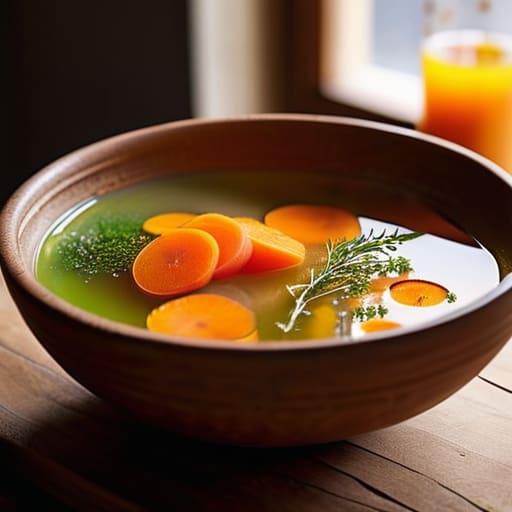
I used to think there was a massive, expensive difference between the two, but honestly? Once you understand the basics of stock vs broth for soup, the decision becomes much simpler. Think of stock as your heavy lifter; it’s usually made by simmering bones, which gives it a deeper color and a richer, more velvety mouthfeel. If you’re looking for something that feels substantial and hearty, go with stock. Broth, on the other hand, is lighter and more herb-forward, typically made from vegetables or meat without the bone marrow. It’s perfect when you want a cleaner, brighter taste that doesn’t weigh you down.
If you’re in a rush and don’t have homemade liquid sitting in the fridge, don’t panic. You can grab a carton of high-quality store-bought broth and still make a spectacular meal. Just keep an eye on the sodium levels. If you use a pre-made base, I usually skip adding extra salt until the very end. It’s all about building layers of flavor without overcomplicating the process. Just pick your foundation, get it simmering, and let the rest of your ingredients do the heavy lifting.
Five Little Tricks to Level Up Your Batch
- Don’t be afraid to sauté your aromatics first. Taking five minutes to soften your onions, carrots, and celery in a little olive oil or butter before adding liquid builds a flavor base that makes a huge difference.
- Salt as you go, not just at the end. If you wait until the soup is finished to season it, you’ll likely end up with a salt bomb. Add a tiny pinch after each major step to build layers of flavor.
- Keep a “scrap bag” in your freezer. Whenever you have onion skins, carrot ends, or herb stems, toss them in a bag. Once it’s full, simmer those scraps to make your own free, flavorful stock.
- Texture is everything. If your soup feels a bit thin or one-note, take a cup of the cooked vegetables and blend them with a splash of liquid, then stir that back in. It adds a lovely, natural creaminess without needing heavy dairy.
- Acid is your secret weapon. If your soup tastes “flat” even after salting, add a squeeze of lemon juice or a teaspoon of apple cider vinegar right before serving. That tiny hit of brightness wakes up all the other ingredients.
The Soul of the Pot
“At the end of the day, a good soup isn’t about a complex recipe or a mountain of expensive ingredients; it’s about creating something warm and reliable that makes your kitchen feel like home.”
Elena Vance
Bringing It All Together
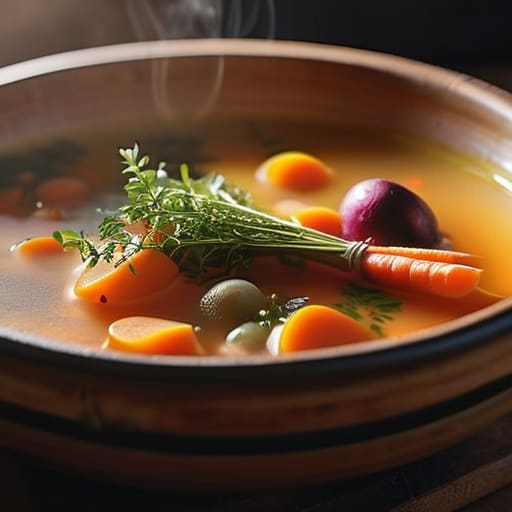
At the end of the day, making a great soup isn’t about following a rigid recipe to the letter or having a pantry full of gourmet ingredients. It’s about understanding the basics: getting your veggie prep right, choosing a solid foundation like a hearty stock, and letting the flavors meld at their own pace. Whether you’re working with a handful of wilting greens or a pile of seasonal root vegetables, remember that the goal is nourishment, not perfection. Once you realize that you can swap ingredients based on what’s actually in your fridge, the whole process becomes much less intimidating and a lot more rewarding.
I know how it feels to stare at a pile of ingredients and feel like you just don’t have the bandwidth for another “project.” But soup is different. It’s one of those rare things that actually gives more than it takes, filling your kitchen with warmth and your fridge with easy, ready-to-go meals for the week. So, grab your favorite heavy-bottomed pot, put on some music, and just start simmering. You don’t need a culinary degree to create something soul-warming; you just need a little bit of patience and a willingness to experiment. You’ve got this.


I believe that a well-run home shouldn't require a PhD or a massive budget. My goal is to strip away the complexity so you can focus on actually living in your space. Let's keep things practical, efficient, and genuinely useful.
View All Articles