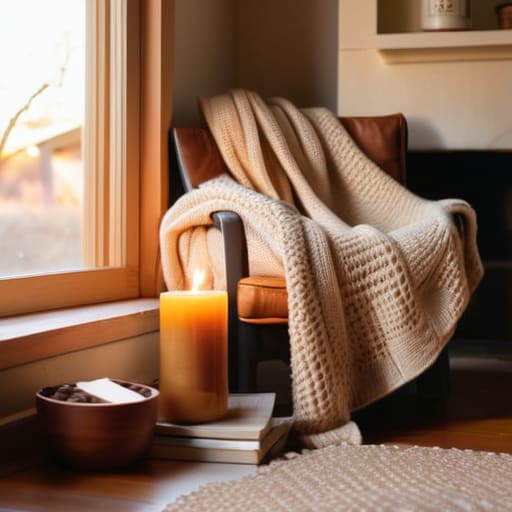

I spent years watching interior design magazines insist that you need a massive budget, a professional decorator, and a house full of expensive, oversized velvet pillows to achieve that perfect “hygge” look. Honestly? It’s exhausting. Most of that advice is just noise designed to make you feel like your current space is failing you. Real comfort isn’t about buying every trendy item on a curated Pinterest board; it’s about how a room actually functions when you’re finally off the clock. If you’re tired of the fluff and just want to know how to make your home cozy without draining your savings or cluttering your life, you’re in the right place.
I’m not here to sell you a lifestyle or a specific brand of candle. Instead, I want to share the practical, low-effort tweaks I’ve learned through years of managing chaotic projects and restoring old furniture. We’re going to focus on lighting, texture, and layout—the stuff that actually shifts the energy of a room. My goal is to give you a clear, no-nonsense roadmap to creating a sanctuary that feels genuinely lived-in and easy to maintain.
Low Cost Textile Layering Techniques for Instant Comfort

One of my favorite ways to transform a room without spending a fortune is through smart textile layering techniques. If your sofa feels a bit cold or sterile, don’t rush out to buy a brand-new set. Instead, grab a chunky knit throw and a couple of linen pillows in different textures. The trick is to play with contrast; pairing a smooth cotton cushion with a rougher wool blanket adds immediate depth. I always lean toward neutral color palettes for comfort, as they act as a quiet backdrop that lets the textures do the heavy lifting.
When you start layering, think about how things feel against your skin. This is where sensory home decor tips really come into play. I like to drape a soft faux-fur rug over a wooden bench or add a heavy velvet curtain to dampen the sound in a room. It’s about more than just looking good; it’s about creating a sanctuary at home where the environment physically invites you to slow down. You aren’t just decorating; you’re building a space that actually feels like a hug.
Using Warm Lighting for Living Rooms Without Breaking the Bank
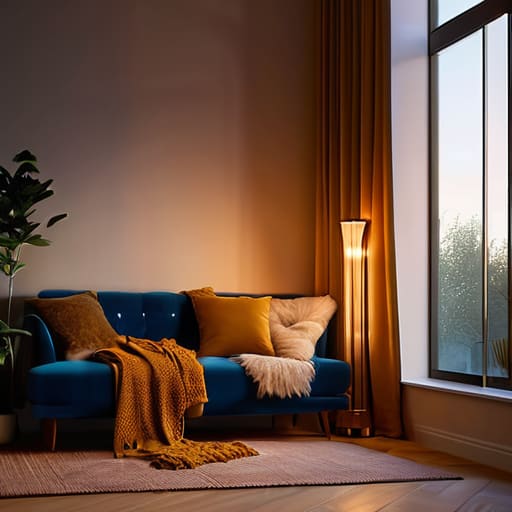
If there is one thing I’ve learned from years of staring at harsh overhead lights, it’s that “the big light” is the enemy of relaxation. Most people think they need to rewire their entire house to get that high-end glow, but you really don’t. The secret to effective warm lighting for living rooms is simply adding more sources at different heights. Instead of relying on that single, clinical ceiling fixture, try scattering a few small lamps around the room. A cheap floor lamp in a corner or a small task lamp on a side table can completely change the mood.
I’m a big believer in layering your light to create depth. If you’re on a tight budget, look for smart bulbs that allow you to adjust the temperature, or even just stick to “warm white” options. To take it a step further, adding a few scented candles for ambiance can bridge the gap between sight and smell, making the space feel intentional rather than just lit. It’s about creating small pockets of light that draw your eyes inward, helping you transition from a busy workday to a calm evening.
Five Small Tweaks That Make a Massive Difference
- Bring in some life with plants. You don’t need a jungle; even a single pothos on a bookshelf or a small succulent on the coffee table adds a layer of organic texture that makes a room feel lived-in rather than just staged.
- Curate your scent. A home that smells like old takeout or nothing at all never feels truly cozy. Grab a simple soy candle or a stovetop simmer pot with cinnamon and orange peels—it’s an easy way to signal to your brain that it’s time to relax.
- Clear the visual clutter. It’s hard to feel calm when you’re staring at a mountain of mail and random charging cables. I’m a big believer in the “one-surface rule”—keep at least one tabletop or counter completely clear so your eyes have a place to rest.
- Personalize your walls. Avoid that “showroom” look by mixing in things that actually mean something to you. A framed photo, a sketch from a trip, or even a piece of fabric you love breaks up the emptiness and makes the space feel like it belongs to a human, not a catalog.
- Create “zones” for relaxation. If your living room is also your office, it’s hard to switch off. Even just moving a chair to a corner or setting up a specific nook with a small side table can mentally separate “work mode” from “cozy mode.”
The Heart of a Cozy Home
“Cozy isn’t about buying a whole new catalog of expensive decor; it’s about stripping away the sterile edges of a room and replacing them with things that actually feel good to touch and look at.”
Elena Vance
Making It Your Own
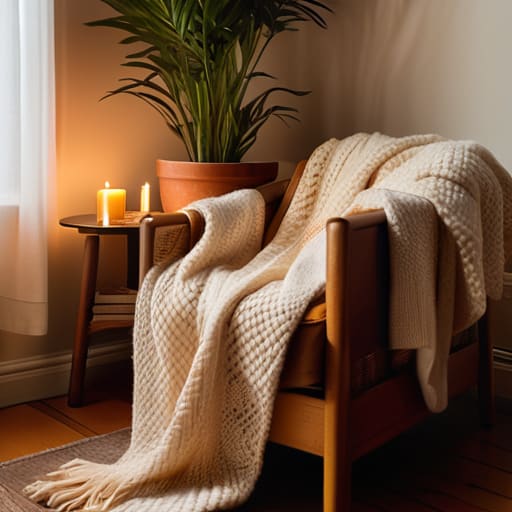
At the end of the day, making a space feel cozy isn’t about following a strict design manual or buying every single item in a “hygge” catalog. It’s about the small, intentional shifts we talked about—layering in those soft textures to soften the edges of a room and swapping out that harsh overhead lighting for something a bit more gentle on the eyes. Whether you’re pulling a worn-in throw blanket from the linen closet or rearranging a few lamps to create a warmer glow, these changes work because they prioritize comfort over perfection. You don’t need a massive renovation project to change the energy of a room; you just need to focus on the elements that actually make you want to sit down and stay a while.
My best advice? Don’t feel like you have to do this all in one weekend. A home is a living, breathing thing, and it should evolve alongside you. Start with one corner, one chair, or even just one well-placed lamp, and see how it feels. The goal isn’t to create a showroom; it’s to build a sanctuary that supports your real, busy life. Focus on what makes you feel grounded, and let the rest fall into place naturally. You’ve got this, and I promise, your space will thank you for it.


I believe that a well-run home shouldn't require a PhD or a massive budget. My goal is to strip away the complexity so you can focus on actually living in your space. Let's keep things practical, efficient, and genuinely useful.
View All Articles