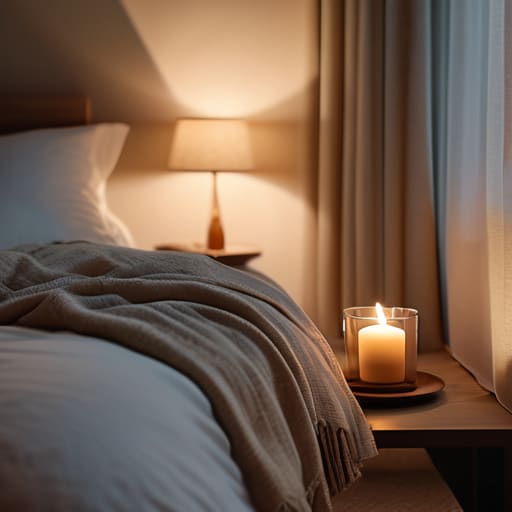

I’m so tired of seeing those “ultimate sleep optimization” guides that suggest you need a $3,000 smart mattress, a specialized wearable, and a strict ritual involving Himalayan salt lamps just to learn how to sleep better. Honestly, it feels like we’ve turned something as natural as resting into a high-stakes technical project that requires a massive budget and a PhD to manage. I spent years in corporate admin, staring at blue screens until my eyes burned, thinking I needed the latest gadget to fix my exhaustion, but the truth is usually much simpler and much cheaper than the marketing tells you.
I’m not here to sell you on a lifestyle overhaul or a mountain of expensive supplements. Instead, I want to share the practical, low-maintenance shifts I’ve made in my own life to reclaim my nights without adding more clutter to my schedule. We’re going to focus on a few no-nonsense adjustments to your environment and your routine that actually move the needle. My goal is to help you strip away the complexity so you can stop overthinking your bedtime and just actually get some rest.
Mastering Sleep Hygiene Practices Without the Expensive Gadgets
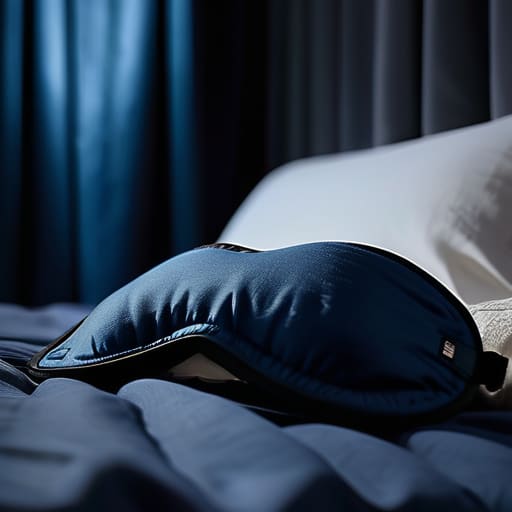
Look, you don’t need a $300 smart mattress or a high-tech wearable to fix your sleep. Most of the “sleep tech” on the market is just noise. Instead, I focus on the fundamentals of optimizing your bedroom environment. Start with the basics: is your room dark, quiet, and cool? If you can see the light from your streetlamp through the curtains, grab a cheap sleep mask. It’s a five-dollar fix that does more for your rest than any expensive gadget ever could.
Another thing people tend to overcomplicate is their evening routine. You don’t need a ten-step ritual; you just need to respect your body’s internal clock. Aiming for consistent circadian rhythm regulation is really just about being predictable. Try to dim the lights an hour before you want to be asleep. This simple shift helps your body trigger melatonin production naturally, signaling to your brain that the workday is officially over. It’s about creating a gentle transition from the chaos of your to-do list to the stillness of your bed.
Optimizing Your Bedroom Environment for Actual Rest
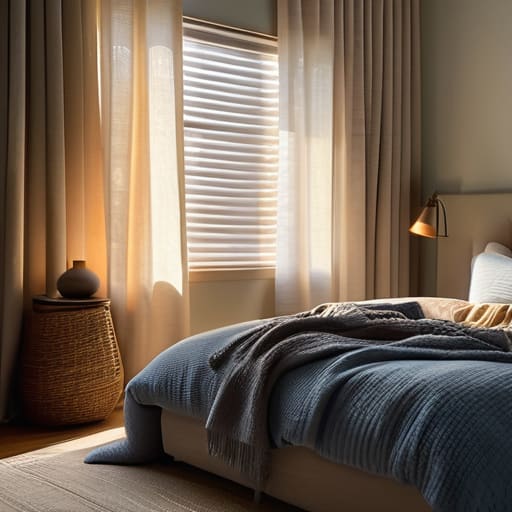
Once you’ve nailed your routine, it’s time to look at the four walls surrounding you. I used to think I needed a smart mattress or some high-tech light therapy lamp to fix my issues, but honestly? Most of the heavy lifting comes down to optimizing your bedroom environment using things you probably already own. The goal is to turn your room into a sanctuary that signals to your brain that the workday is officially over.
First, let’s talk about light and temperature. Your body relies on darkness to trigger melatonin production naturally, so if you have streetlights bleeding through your curtains or a bright digital clock glowing on your nightstand, you’re working against your own biology. I’m a big fan of blackout curtains—they’re a total game-changer. Pair that with keeping the room slightly cool, and you’re setting the stage for actual, uninterrupted rest rather than just tossing and turning. You don’t need a fancy setup; you just need to remove the distractions that keep your brain wired.
5 Low-Effort Habits for a Better Night's Sleep
- Stop the caffeine creep. I used to think my 3 PM latte was fine, but it was wrecking my ability to wind down. Try to draw a hard line at noon; your nervous system will thank you.
- Build a predictable “buffer zone.” You can’t go from a high-stress project meeting straight to sleep. Give yourself thirty minutes of low-stimulation time—no screens, just reading or stretching—to signal to your brain that the day is actually over.
- Watch what you eat before bed. A heavy, spicy meal might feel good in the moment, but it’s a recipe for heartburn and midnight wakeups. Keep your late-night snacks light and simple.
- Get some sunlight early. It sounds counterintuitive, but getting natural light in your eyes first thing in the morning helps set your internal clock. It makes it much easier to feel naturally tired when evening rolls around.
- Write down the “brain dump” list. If you lie awake worrying about tomorrow’s to-do list, keep a notebook by your bed. Scribble those thoughts down to get them out of your head and onto the paper so you can stop looping on them.
The Core Philosophy
“Sleep isn’t another project to manage or a luxury to buy; it’s about stripping away the digital noise and the clutter so your body actually has permission to shut down.”
Elena Vance
Getting Back to Basics
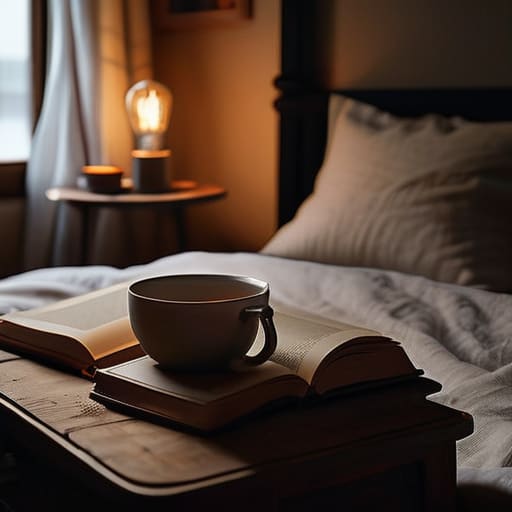
At the end of the day, getting better sleep isn’t about buying a $2,000 smart mattress or tracking every single heartbeat with a wearable device. It’s about the small, manageable shifts we talked about: dimming the lights, keeping your space cool, and finally giving yourself permission to unplug from the digital noise before bed. We’ve looked at how you can optimize your environment and refine your habits without breaking the bank or adding more stress to your already busy schedule. If you can master just one or two of these adjustments this week, you’re already ahead of the curve. Remember, the goal isn’t perfection; it’s about creating a sustainable rhythm that actually works for your real, messy, everyday life.
I know how easy it is to get caught up in the “optimization trap,” where we spend more time researching how to live better than actually living. But please, don’t let the pursuit of the perfect night’s sleep become another item on your overwhelming to-do list. Start small, be patient with yourself, and listen to what your body is telling you. You deserve to wake up feeling refreshed and ready to take on the world, not just surviving on caffeine and sheer willpower. Let’s stop overcomplicating the basics and just focus on the rest we truly need to enjoy the life we’re working so hard to build.


I believe that a well-run home shouldn't require a PhD or a massive budget. My goal is to strip away the complexity so you can focus on actually living in your space. Let's keep things practical, efficient, and genuinely useful.
View All Articles