
I am so tired of seeing those “ultimate sleep guides” that suggest you need to spend a small fortune on weighted silk blankets, smart mattresses, and $80 lavender mists just to get a decent night’s rest. Honestly, it feels like a scam designed to make us feel like we’re failing at something as basic as closing our eyes. If you’ve been scrolling through endless lists of expensive sleep hygiene tips only to feel more stressed than when you started, I want you to know you aren’t doing anything wrong. Most of that stuff is just noise meant to clutter your brain when you’re already trying to wind down.
I’m not here to sell you a lifestyle or a high-tech gadget. My goal is to strip away the fluff and give you the practical, low-cost habits that actually work for a busy, real-world life. I’ve spent years trial-and-erroring my own routine while juggling freelance deadlines and home projects, and I’ve learned that simplicity is king. I’m going to share the few, effective changes that actually move the needle, so you can stop overthinking your bedtime and finally start getting the rest you deserve.
Optimizing Your Sleep Environment Without a Designer Budget
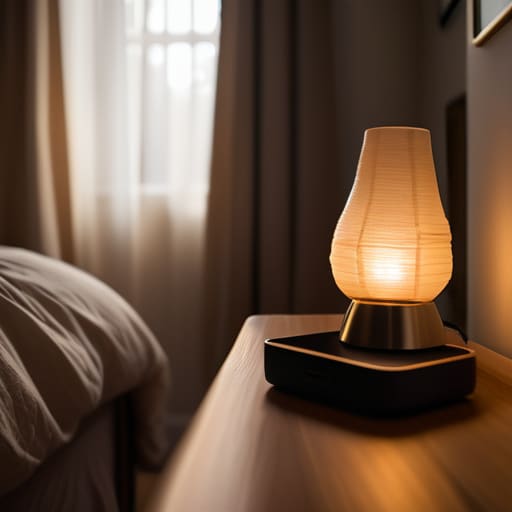
You don’t need to drop a month’s rent on a high-end mattress or a designer bedroom set to actually get some rest. In my experience, most of the heavy lifting comes down to the small, practical tweaks you can make with things you likely already own. Start by looking at your light sources. We all know the drill about screens, but minimizing blue light exposure effects in the hour before bed is a game changer for your brain. If you can’t ditch the phone, at least dim the lights in your room to signal to your body that the day is winding down.
Next, let’s talk about temperature. I’ve found that a slightly cooler room is much more conducive to improving sleep quality than a stuffy, warm one. If you don’t have a smart thermostat, just cracking a window or switching to cotton sheets can make a world of difference. It’s about creating a predictable, calm sanctuary. When you focus on these small environmental shifts, you’re essentially setting the stage for your body to do what it does best: drift off naturally.
Managing Blue Light Exposure Effects for Real Rest

We’ve all been there: it’s 11:00 PM, you’re halfway through a mindless scroll on your phone, and suddenly your brain feels wide awake. That’s not an accident. The blue light exposure effects from our screens trick our brains into thinking it’s still midday, which completely throws off our circadian rhythm regulation. When your brain thinks the sun is still up, it stops signaling your body to wind down, making it nearly impossible to drift off naturally.
I’m not going to tell you to throw your smartphone in a drawer and live like a hermit—that’s just not realistic for most of us. Instead, I focus on small, manageable shifts. If you can’t put the devices away entirely, try turning on the “Night Shift” mode or using a warm-toned lamp instead of those harsh overhead LEDs. My personal rule is to swap the tablet for a physical book at least thirty minutes before lights out. It’s a tiny change, but it’s one of the most effective ways of promoting melatonin production naturally without needing any expensive gadgets or complicated apps.
5 Small Tweaks to Help You Actually Drift Off
- Stop treating your bed like a second office. If you spend your afternoons working from your duvet, your brain starts associating that space with stress instead of sleep. Try to keep the bedroom strictly for rest—it’s a mental boundary that makes a huge difference.
- Get consistent with your wake-up time, even on Saturdays. I know, the idea of an alarm on a weekend feels like a chore, but your body loves a predictable rhythm. When you stabilize your wake time, your body naturally starts feeling tired at the same time every night.
- Watch the caffeine cutoff. I’m a coffee lover too, but I’ve learned the hard way that a 3:00 PM latte is a recipe for a 2:00 AM ceiling-staring session. Aim to have your last cup by early afternoon so it’s out of your system by bedtime.
- Don’t force it if you’re tossing and turning. If you’ve been lying there for twenty minutes and your mind is racing, get out of bed. Go sit in a different chair with a book or do something low-key in dim light. You want to avoid that feeling of frustration building up while you’re under the covers.
- Simplify your evening wind-down. You don’t need a ten-step ritual involving expensive oils and meditation apps. Just find one or two things that signal “the day is done”—maybe it’s washing your face, a quick stretch, or just dimming the lights. Keep it low-effort and repeatable.
The Truth About Better Sleep
“We need to stop treating sleep like a luxury item we have to buy our way into, and start treating it like a simple rhythm we can actually reclaim with a few small, sensible changes.”
Elena Vance
Getting Back to Basics
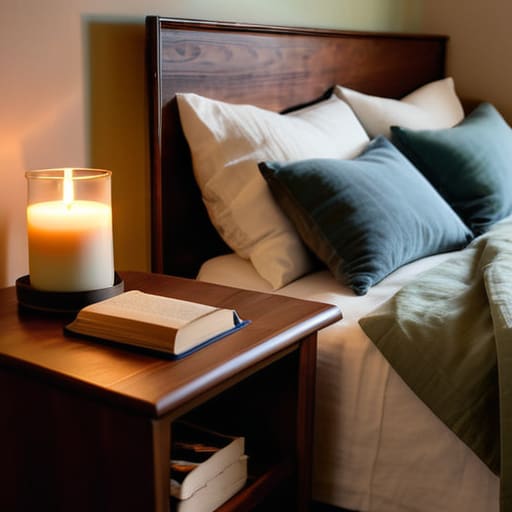
At the end of the day, improving your sleep doesn’t mean you need to overhaul your entire life or invest in a thousand-dollar smart mattress. It’s really just about the small, manageable shifts we talked about: cooling down your room, being a bit more intentional with your phone usage before bed, and creating a space that actually feels like a sanctuary. You don’t have to do everything at once. Pick one or two of these tweaks—maybe it’s just setting a “digital sunset” or swapping out that harsh overhead light—and see how your body responds. The goal is to build a sustainable routine, not to add another item to your endless to-do list.
I know how easy it is to get caught up in the “optimization” trap, feeling like you aren’t doing enough if you haven’t mastered every single wellness hack on the internet. But please remember that rest is a necessity, not a luxury you have to earn. Your home should be the place where you recharge, not another project that feels overwhelming. Be kind to yourself as you try these new habits, and if you have a rough night, don’t sweat it; just try again tomorrow. You’ve got this, and a better night’s sleep is well within your reach.


I believe that a well-run home shouldn't require a PhD or a massive budget. My goal is to strip away the complexity so you can focus on actually living in your space. Let's keep things practical, efficient, and genuinely useful.
View All Articles