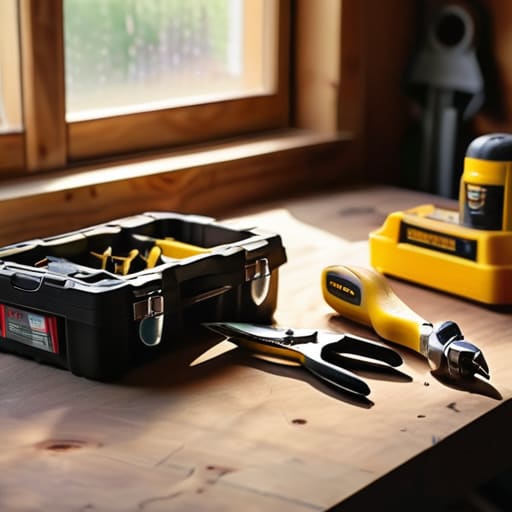

I remember standing in the middle of a big-box hardware store last spring, staring at a wall of power drills that all cost more than my monthly grocery budget, feeling completely paralyzed. I just wanted to fix a loose leg on a vintage teak chair, but the marketing made it feel like I needed a professional workshop and a specialized degree just to turn a screw. It’s incredibly frustrating how the industry tries to convince you that you can’t tackle a simple project without a mountain of expensive, specialized gear. The truth is, most of those shiny gadgets are just clutter waiting to happen; you don’t need a massive investment to master the essential tools for diy that actually make a difference in your home.
My goal here isn’t to sell you on a lifestyle of endless consumption, but to help you build confidence. I’m going to strip away the noise and give you a curated, realistic list of the items that actually earn their keep in a real-world toolkit. We’re focusing on quality over quantity—the kind of reliable, multi-purpose gear that helps you get the job done so you can get back to actually living in your space.
Building Your Home Improvement Starter Kit Without Breaking the Bank
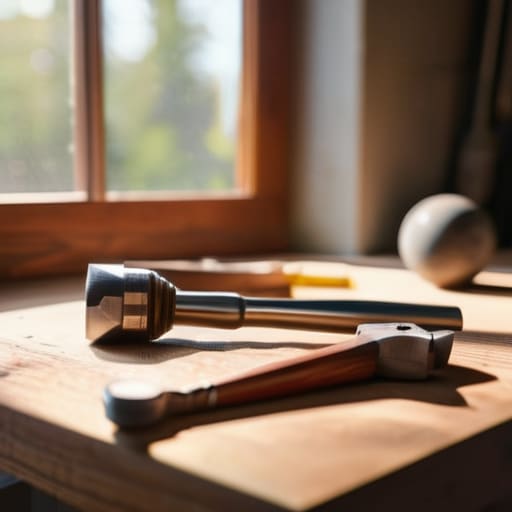
When I first started tackling old side tables in my garage, I made the mistake of thinking I needed every gadget in the aisle. Trust me, you don’t. Building a home improvement starter kit isn’t about quantity; it’s about quality and utility. Instead of hunting for the best budget tool sets that promise the world but break after one use, I suggest focusing on a few sturdy, reliable pieces. I’d much rather own one decent hammer that feels balanced in my hand than a cheap twelve-piece set that wobbles every time I swing.
The real trick is knowing when to prioritize hand tools vs power tools. If you’re just hanging pictures or tightening a loose cabinet handle, a solid screwdriver set and a tape measure are your best friends. You don’t need to dive into heavy-duty beginner woodworking equipment until you actually have a project that demands it. Start small, keep your workspace organized, and always, always invest in a pair of comfortable safety glasses. It’s much easier to fix a shelf than it is to fix your eyesight.
Hand Tools vs Power Tools Choosing What Actually Matters
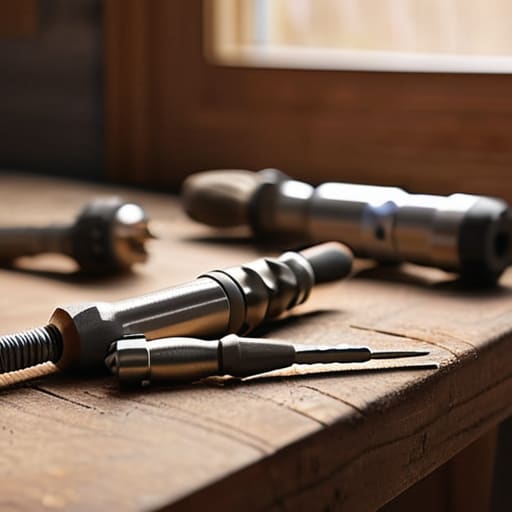
When you’re first starting out, it’s easy to get caught up in the “shiny object syndrome” of the hardware store aisles. You see those massive, professional-grade cordless drills and think you need one immediately. But here’s the truth: knowing when to use hand tools vs power tools is more important than having the most expensive battery pack on the market. For small tasks—tightening a loose cabinet hinge or assembling a flat-pack shelf—a simple screwdriver set is often faster and much more precise than lugging out a heavy drill.
That said, there comes a point where your muscles will start to protest if you don’t use some muscle of your own. If you’re planning on tackling anything more substantial, like hanging heavy floating shelves or building a basic planter box, a decent cordless drill becomes an absolute lifesaver. It’s about efficiency, not ego. I always tell people to invest in a few high-quality manual tools first, then slowly add power tools as your projects grow in scale. Just remember, no matter which way you go, never skip out on the safety gear for diy projects; your eyes and hands will thank you later.
Five Rules of Thumb Before You Hit the Hardware Store
- Buy for the project you have, not the one you dream of. I’ve seen so many people drop a fortune on a high-end miter saw for a tiny shelf project. If you’re just hanging a picture or fixing a loose cabinet hinge, stick to the basics. Don’t let “someday” projects dictate your current budget.
- Quality over quantity, every single time. I’d much rather own one decent, heavy-duty screwdriver that won’t strip a screw halfway through a job than a massive 50-piece set where half the bits feel like they’re made of tin. It saves you frustration and, ultimately, time.
- Test the “feel” of a tool if you can. Since I spend a lot of time restoring furniture, I’ve learned that ergonomics matter. If a hammer feels unbalanced in your hand or a drill is too heavy to hold comfortably, put it back. If it’s going to be your go-to, it needs to feel like an extension of your hand, not an enemy.
- Don’t ignore the “boring” stuff. Everyone wants the flashy power drill, but nobody thinks about the importance of a solid tape measure, a level, or a good set of pliers. These are the quiet workhorses that actually ensure your project doesn’t end up crooked or wobbly.
- Read the reviews, but trust your gut. Online reviews can be helpful, but they can also be a rabbit hole of conflicting opinions. If a tool has a reputation for breaking after three uses, listen to that—but if a tool feels flimsy and cheap in your hand, trust that instinct over a five-star rating from a stranger.
My Philosophy on the Toolbox
“A tool isn’t an investment if it just sits in a box collecting dust; the best tool you can own is the one you actually know how to use to fix something that’s broken.”
Elena Vance
Getting Started Without the Stress
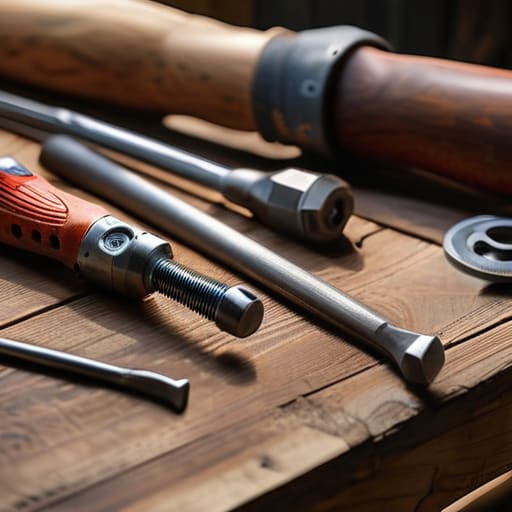
At the end of the day, building your toolkit isn’t about collecting every gadget on the shelf or mimicking a professional contractor’s workshop. It’s about having the right foundation—a reliable set of hand tools for precision and a few key power tools to handle the heavy lifting. Remember, you don’t need to own a specialized saw for every possible cut or a different screwdriver for every single screw; start with the basics, focus on quality over quantity, and let your needs dictate your next purchase. If you have a solid hammer, a dependable drill, and a decent measuring tape, you are already ahead of the curve.
I know that staring down a new project can feel a little daunting, especially when you aren’t sure if you have the right gear to see it through. But please, don’t let the fear of “doing it wrong” stop you from trying. Most of the time, the best way to learn is simply to pick up the tool and start creating. Whether you’re fixing a loose cabinet hinge or finally tackling that mid-century sideboard restoration I’m always talking about, just take it one step at a time. You have everything you need to make your space work for you, so just dive in.


I believe that a well-run home shouldn't require a PhD or a massive budget. My goal is to strip away the complexity so you can focus on actually living in your space. Let's keep things practical, efficient, and genuinely useful.
View All Articles