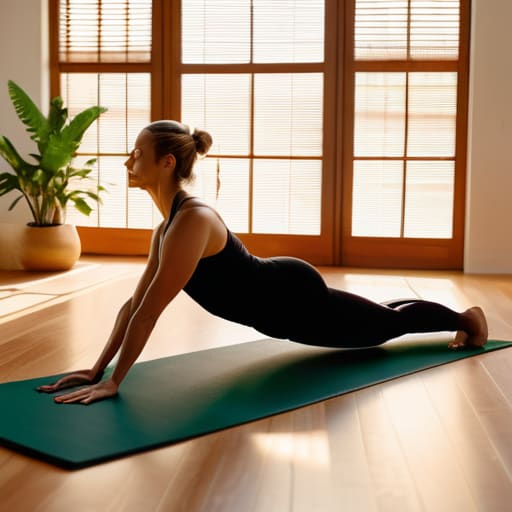

I was hunched over a mid-century teak sideboard last Tuesday, trying to sand down a stubborn water stain, when I realized my lower back wasn’t just aching—it was screaming. I’ve spent years thinking that if I didn’t spend sixty dollars on a boutique yoga class or buy a specialized foam roller, I wasn’t “doing” wellness correctly. But honestly? Most of the fitness industry makes the benefits of stretching sound like some mystical, expensive ritual reserved for people with endless free time. It’s exhausting. We don’t need a complicated regimen or a designer mat; we just need to stop treating our bodies like they’re made of stone.
I’m not here to sell you a lifestyle overhaul or a complicated ten-step sequence that requires a PhD to master. Instead, I want to share what actually works when you’re juggling a freelance schedule and a home that never stays clean. I’m going to break down the real, uncomplicated benefits of stretching and show you how to weave a few simple movements into your existing routine. No fluff, no expensive gear—just practical ways to help you move a little more freely through your day.
Improving Range of Motion Without the Fancy Gym Gear
You don’t need a high-end membership or a room full of expensive resistance bands to see real results. Honestly, most of the fancy equipment in those boutique studios is just marketing fluff. If you want to focus on improving range of motion, your own body weight and a bit of floor space are more than enough. I used to think I needed those heavy-duty foam rollers to feel anything, but I’ve found that simple, intentional movements—like a deep lunging stretch or a controlled neck rotation—work just as well for keeping things fluid.
The real secret is understanding the difference between dynamic vs static stretching depending on what you’re doing. If you’re just waking up or getting ready to move around the house, keep it moving with some gentle, flowing motions. Save the long, held stretches for when you’re winding down in the evening. This approach is one of the most effective muscle recovery techniques you can use without spending a dime. It’s about making movement feel natural again, rather than making it feel like another chore on your to-do list.
Better Posture Improvement Through Stretching for Busy Days
If you’re like me, you probably spend a good chunk of your day hunched over a laptop or scrolling through your phone, only to realize an hour later that your shoulders are practically touching your ears. That “tech neck” feeling isn’t just annoying; it’s a sign your body is screaming for a reset. I’ve found that focusing on posture improvement through stretching is the most efficient way to combat that midday slump without needing a full yoga session. It’s about opening up the chest and releasing those tight hip flexors that tighten up from sitting too long.
You don’t need to be a gymnast to see a difference here. Instead of trying to hold a perfect pose for ten minutes, try incorporating a few quick movements throughout your workday. I personally swear by a mix of dynamic vs static stretching—using gentle, flowing movements to wake up my muscles during a coffee break, and then saving the deeper, longer holds for when I finally clock out. It keeps you from feeling stiff and helps you stay upright and focused, rather than feeling like a folded-up piece of paper by 3:00 PM.
Five Low-Effort Ways to Make Stretching Actually Work for You
- Stop waiting for a “perfect” window of time. If you wait until you have a full hour to stretch, you’ll never do it. Just grab five minutes between meetings or while your coffee is brewing; those tiny pockets of movement add up way more than a monthly yoga class you’re too tired to attend.
- Listen to your body, not a video. There’s a big difference between a “good” stretch that feels like a productive release and that sharp, stinging pain that makes you wince. If it hurts, back off immediately. We’re aiming for mobility, not an injury.
- Focus on the “problem areas” first. For most of us, that means the hips, neck, and lower back. If you spend your day hunched over a laptop or driving, don’t bother with a full-body routine every time—just target the spots that feel tightest to get the most immediate relief.
- Use your environment to your advantage. You don’t need a fancy foam roller or a dedicated studio. Use a doorway to stretch your chest, the edge of your desk to loosen your hamstrings, or even a sturdy chair to help with hip mobility. Keep it practical.
- Breathe through the tension. It sounds cliché, but if you’re holding your breath, your muscles are going to stay guarded and tight. Deep, slow exhales tell your nervous system it’s okay to relax, which is the whole point of stretching in the first place.
The Real Reason to Move
“Look, you don’t need a fancy yoga studio or a designer mat to feel better. Stretching isn’t about hitting some perfect pose for a photo; it’s just about giving your body a little breathing room so you aren’t walking around feeling like a rusted-out hinge by 3:00 PM.”
Elena Vance
Making It Stick

At the end of the day, stretching isn’t about achieving some Olympic-level flexibility or buying a subscription to a high-end fitness studio. It’s really just about reclaiming your body from the stiffness that comes with sitting at a desk or running errands all day. We’ve looked at how a few simple movements can improve your range of motion without any fancy equipment and how targeted stretches can help you maintain a better posture when life gets hectic. The goal is to find those small, manageable pockets of time where you can actually breathe and reset. If you can find five minutes between meetings or right before you hop into bed, you’ve already won the battle against daily physical tension.
I know how it feels when your to-do list is miles long and the idea of “self-care” feels like just another chore to cross off. But I promise you, your body will thank you for the investment. Don’t wait until you’re feeling completely locked up to start moving; make it a part of your rhythm, not a massive project. Think of it as a way to strip away the physical stress so you can focus on what actually matters. You don’t need a perfect routine to see a difference—you just need to start where you are. Let’s keep it simple and just keep moving.


I believe that a well-run home shouldn't require a PhD or a massive budget. My goal is to strip away the complexity so you can focus on actually living in your space. Let's keep things practical, efficient, and genuinely useful.
View All Articles