
I used to think that if I didn’t own a set of professional-grade Japanese mandolins and a dozen specialized herb snips, I was somehow failing at the “art” of cooking. I’d stare at a pile of stubborn carrots and unpeeled onions, feeling that familiar wave of overwhelm, convinced that learning how to prep vegetables required a culinary degree and a massive kitchen island. But honestly? Most of those high-end gadgets are just clutter waiting to happen. You don’t need a gadget for every single task; you just need a solid system that doesn’t leave you feeling defeated before the stove even gets turned on.
I’m not here to give you a lecture on Michelin-star knife skills or suggest you spend a fortune on specialized tools. Instead, I want to show you how to approach your kitchen with a bit more logic and a lot less stress. I’m going to share the practical, no-nonsense methods I’ve refined over years of juggling freelance deadlines and a busy home. We’re going to strip away the fluff and focus on efficient techniques that actually save you time, so you can stop hovering over the cutting board and start actually enjoying your dinner.
Mastering Essential Knife Skills for Cooking Faster
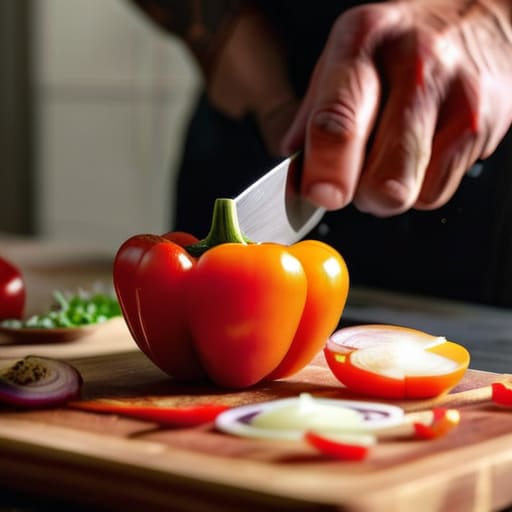
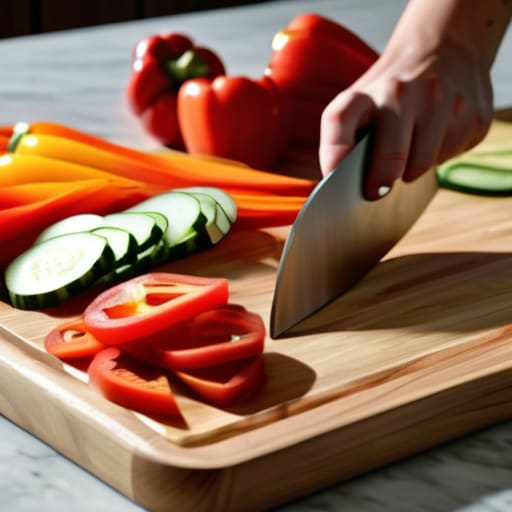
Look, I spent years in corporate offices where everything had to be perfect, but in my kitchen, perfection is the enemy of a good dinner. If you want to speed up your evening routine, you have to stop treating your knife like a blunt instrument and start treating it like a tool. Mastering basic knife skills for cooking isn’t about looking like a professional chef on a cooking show; it’s about safety and consistency. When your pieces are uniform, they cook at the same rate, meaning you won’t end up with a pan of mushy onions and raw potato chunks.
I always tell people to focus on the “claw grip”—tucking your fingertips in so you aren’t risking a trip to the ER every time you slice a carrot. It feels awkward for the first ten minutes, but once it clicks, it becomes second nature. Developing this muscle memory is the secret to an efficient kitchen workflow. Once you aren’t constantly staring down at your fingers, you can actually enjoy the process instead of feeling like you’re performing surgery.
How to Wash Produce the Right Way
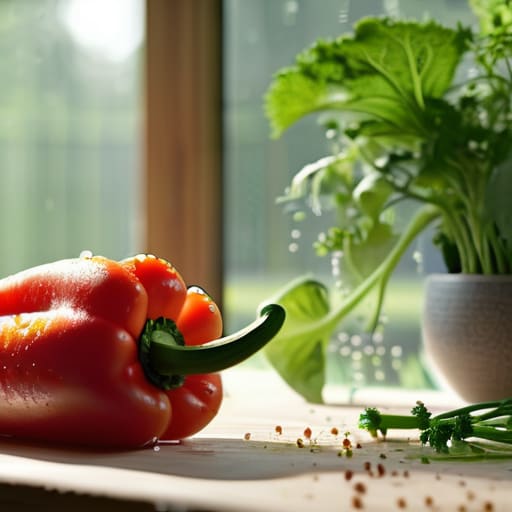
Before you even touch a knife, you need to deal with the dirt. I used to think a quick splash of water under the tap was enough, but if you’re serious about meal prep for beginners, you have to do this right. For most hard-skinned items like cucumbers or bell peppers, a firm scrub with a clean vegetable brush is your best friend. For the delicate stuff—think leafy greens or berries—I prefer a cold water soak in a large bowl. This allows the grit to settle at the bottom so you aren’t just swirling mud around your produce.
The real secret to an efficient kitchen workflow, though, is knowing when to dry things. This is where most people trip up. If you toss wet greens straight into a container, they’ll turn into a slimy mess by Tuesday. Invest in a decent salad spinner; it’s one of those tools that actually lives up to the hype. Getting your veggies bone-dry before they hit the cutting board or the fridge is the single best way of keeping vegetables fresh for much longer.
My Go-To Strategies for Getting It Done Faster
- Group your tasks by tool. Don’t bounce back and forth between a peeler and a knife; peel everything first, then move to the cutting board. It keeps your workspace organized and saves you from constantly switching your grip.
- Prep based on your meal’s timeline. If you’re making a stir-fry, chop those veggies thin so they cook in minutes. If you’re roasting root vegetables, go chunky. Matching the cut to the cooking method prevents that annoying situation where your onions are mush while your carrots are still crunchy.
- Invest in a decent cutting board that actually stays put. I learned the hard way that a sliding board is a recipe for a trip to the ER. If yours is wobbly, just put a damp paper towel underneath it—it’s a simple fix that makes a world of difference for your stability.
- Use the “Mise en Place” mindset, even if it sounds fancy. Before you even turn on the stove, get all your chopped veggies into small bowls or piles. There is nothing more stressful than trying to finely dice garlic while your butter is already burning in the pan.
- Don’t let scraps go to waste. Keep a single container in your freezer for onion skins, carrot tops, and celery ends. Once it’s full, boil it all down for a quick homemade veggie stock. It’s free, it’s easy, and it tastes a hundred times better than the boxed stuff.
The Secret to Not Hating Meal Prep
“If you treat vegetable prep like a chore you have to power through, you’ll always find an excuse to order takeout. But if you approach it with a bit of rhythm and the right tools, it stops being a task and starts being the quiet, productive moment that actually sets your whole evening up for success.”
Elena Vance
Making Prep Work for You
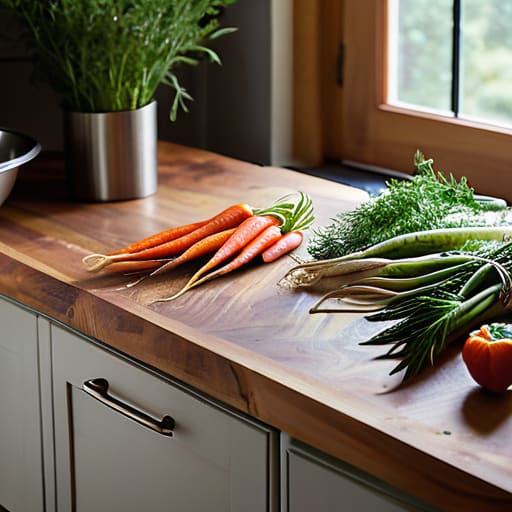
At the end of the day, prepping vegetables isn’t about achieving culinary perfection or looking like a professional chef on a cooking show. It’s about building a system that actually works for your life. By sharpening your knife skills, mastering a quick wash, and getting your mise en place organized, you’re removing the friction that usually makes cooking feel like a chore. When you stop fighting your ingredients and start working with them, you’ll find that the kitchen becomes a much less stressful place. Remember, the goal is to spend less time hovering over a cutting board and more time enjoying the meal you’ve actually created.
I know that on a Tuesday night when you’re exhausted, the idea of chopping a mountain of produce can feel daunting. But I promise you, once these small habits become second nature, you’ll reclaim so much of your evening. Don’t feel like you have to do everything at once; just pick one thing to improve this week. Whether it’s finally honing your dice or just washing your greens more efficiently, small, consistent shifts lead to a much calmer home life. You’ve got this, and your future, less-stressed self will definitely thank you for it.


I believe that a well-run home shouldn't require a PhD or a massive budget. My goal is to strip away the complexity so you can focus on actually living in your space. Let's keep things practical, efficient, and genuinely useful.
View All Articles