
I spent a decade in corporate administration, and if there is one thing I learned, it’s that the wellness industry loves to sell you a solution that costs more than your monthly groceries. You don’t need a $1,200 ergonomic chair or a subscription to a mindfulness app to survive the workday. Honestly, most of those high-tech “posture correctors” are just expensive ways to make you feel self-conscious while you work. I’m tired of seeing people get overwhelmed by complex gear when the real issue is much simpler. We need desk job health tips that actually fit into a busy, real-world schedule—not a lifestyle overhaul that requires a second job.
I’m not here to give you a lecture or a list of impossible standards. Instead, I want to share the practical, low-cost tweaks I’ve learned through years of navigating both cubicles and my current remote setup. I’ll be breaking down how to protect your back, eyes, and energy levels without stripping your budget bare or wasting your time. My goal is to give you a toolkit of straightforward habits that help you feel human again by 5:00 PM, so you can actually enjoy your life outside of your screen.
Fix Your Ergonomic Workstation Setup Without Breaking the Bank
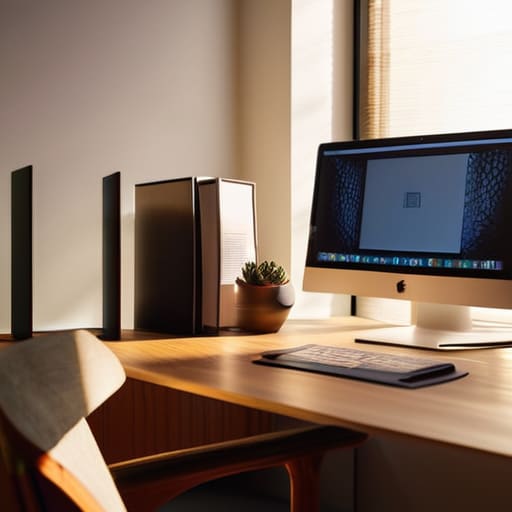
You don’t need to drop a month’s rent on a high-end, designer chair to get your ergonomic workstation setup right. I’ve spent enough time in corporate cubicles to know that most of those “ergonomic” gadgets are just expensive fluff. Instead, look at what you already have. If your monitor is too low, grab a couple of sturdy hardcover books to prop it up until the top of the screen is at eye level. This simple tweak is a lifesaver for eye strain relief for computer users because it stops you from constantly hunching your chin toward your chest.
For your lower back, a rolled-up towel placed in the small of your chair works just as well as a specialized lumbar cushion. It’s about support, not price tags. If you’re feeling the itch to move, don’t feel pressured to buy a motorized standing desk immediately. You can experiment with the standing desk benefits by simply placing your laptop on a high kitchen counter for twenty minutes a day. It’s all about breaking up that static posture without making your home office look like a laboratory.
Practical Desk Stretches for Neck Pain and Tension
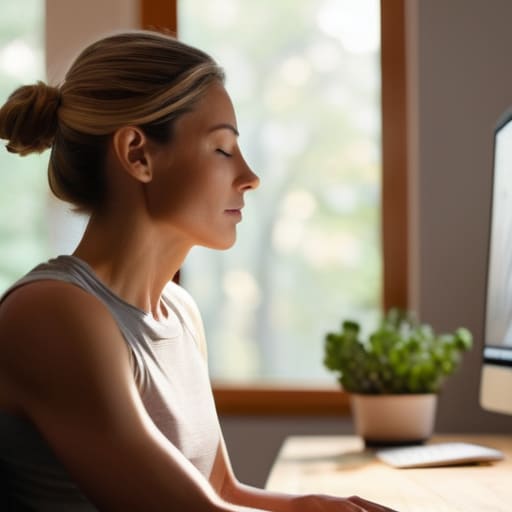
If you’re anything like me, you probably don’t realize how much tension you’re holding in your shoulders until you actually try to roll them back. When I’m deep in a project, I tend to lean toward the screen, which is a one-way ticket to a tension headache. To counter this, I’ve added a few simple desk stretches for neck pain into my daily flow. Start with some gentle chin tucks—basically pulling your head straight back as if making a double chin—to reset your posture. It feels a little silly at first, but it’s incredibly effective at releasing that tightness that builds up after hours of staring at a monitor.
Don’t wait until you’re in actual pain to move; making these movements part of a regular office wellness routine is much more effective. Try a simple side-to-side neck stretch, dropping your ear toward your shoulder and holding for twenty seconds on each side. If you feel your eyes getting heavy or blurry, take a moment for some quick eye strain relief by looking at something twenty feet away for a few seconds. It’s not about a marathon workout; it’s just about breaking that static hold your body gets stuck in.
Five Small Tweaks to Help You Survive the 9-to-5
- Stop treating your eyes like they’re invincible. Every twenty minutes, look at something at least twenty feet away for twenty seconds. It sounds silly, but it stops that heavy, “sand in my eyes” feeling by the end of the day.
- Hydration isn’t just about drinking more water; it’s about using it as a built-in timer. If you keep a small glass on your desk rather than a giant jug, you’ll actually need to get up to refill it more often, forcing those much-needed movement breaks.
- Watch your “tech neck.” We tend to lean toward the screen when we’re deep in a project, which puts a massive strain on our upper back. Try to keep your monitor at eye level—if you don’t have a stand, a couple of sturdy hardcover books work just as well.
- Don’t ignore your feet. If they’re dangling or tucked awkwardly under your chair, your lower back is going to pay for it. If your feet don’t hit the floor flat, grab a small footstool or even a sturdy box to give them a solid place to rest.
- Set a “transition ritual” for when you log off. When I finish my freelance tasks, I close my laptop and put it in a drawer or out of sight. It helps signal to your brain that the workday is over, so you aren’t mentally “working” while you’re trying to relax.
## A Mindset Shift for the Long Haul
“Your body wasn’t built to be a permanent fixture of an office chair; you don’t need a massive budget or a specialized ergonomic suite to fix that, you just need to stop treating movement like an optional luxury and start treating it like a non-negotiable part of your workday.”
Elena Vance
Small Changes, Big Results

At the end of the day, staying healthy while working a desk job isn’t about buying the most expensive ergonomic chair on the market or following a rigid, hour-long yoga routine. It’s really about the small, consistent adjustments we make throughout the day. Whether you’re using a stack of old books to raise your monitor to eye level, setting a timer to remind yourself to stretch your neck, or simply making a conscious effort to uncurl your shoulders, these tiny shifts add up. You don’t need a complete lifestyle overhaul; you just need to stop treating your body like a piece of office equipment and start listening to what it’s telling you.
I know how easy it is to get swallowed up by a mounting to-do list and forget that you are a human being, not a machine. We often think we’ll deal with that nagging back pain or that tension headache “once things settle down,” but the work never truly stops. My advice? Start small today. Pick just one thing from this list—maybe it’s just standing up every time you finish an email—and see how it feels. You deserve to finish your workday feeling capable and energized, rather than completely drained and stiff. Let’s make our workspaces work for us, not against us.


I believe that a well-run home shouldn't require a PhD or a massive budget. My goal is to strip away the complexity so you can focus on actually living in your space. Let's keep things practical, efficient, and genuinely useful.
View All Articles