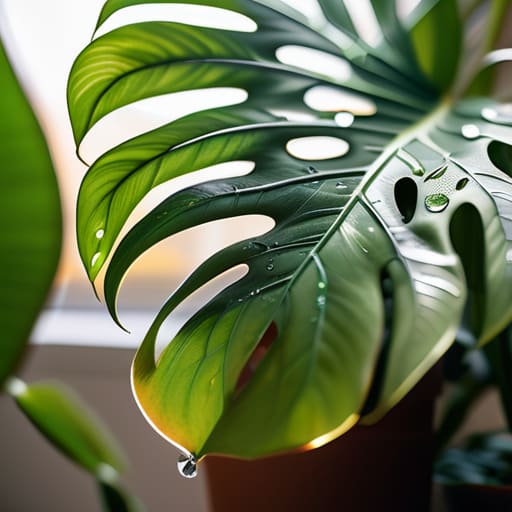

I used to think that if I didn’t spend a fortune on specialized UV lamps and artisanal bottled water, my greenery was doomed to die. I spent years falling for the marketing hype, thinking that learning how to care for houseplants required a degree in botany and a cabinet full of expensive, niche chemicals. But honestly? Most of that is just noise designed to separate you from your hard-earned money. I’ve learned the hard way—usually while trying to revive a half-dead fern in my living room—that plants don’t need a complicated ritual; they just need a bit of common sense and a steady hand.
I’m not here to give you a lecture or a shopping list of things you don’t need. Instead, I want to share the straightforward, practical methods that actually work for someone with a busy life. We’re going to strip away the fluff and focus on the essentials: light, water, and soil, without the headache. My goal is to help you build a little indoor jungle that thrives on minimal fuss, so you can spend less time worrying about wilting leaves and more time actually enjoying your space.
Decoding Indoor Plant Lighting Requirements Simply
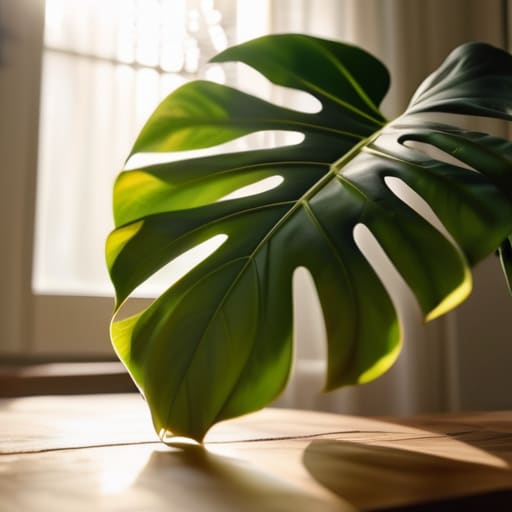
Look, I used to think “bright, indirect light” was just some vague suggestion from a nursery tag, but it’s actually the most important thing to get right. Think of your windows like different levels of a volume knob. A south-facing window is blasting at full volume—great for cacti, but it’ll scorch a delicate fern. A north-facing window is more like a quiet hum, perfect for low-light lovers like Snake Plants. If you can’t tell what you’ve got, just use the shadow test: hold your hand a foot above the plant. A sharp, defined shadow means intense light; a blurry, faint one means it’s filtered and soft.
Getting the light right is half the battle, but don’t let it distract you from the basics. If your plant looks a bit sad despite having the right spot, it might be time to check your best soil for indoor plants or see if the roots are getting cramped. Sometimes, we get so caught up in the light that we forget the ground they’re standing in. Just keep it simple: match the plant to the window, and you’re already ahead of most people.
Finding the Best Soil for Indoor Plants Fast
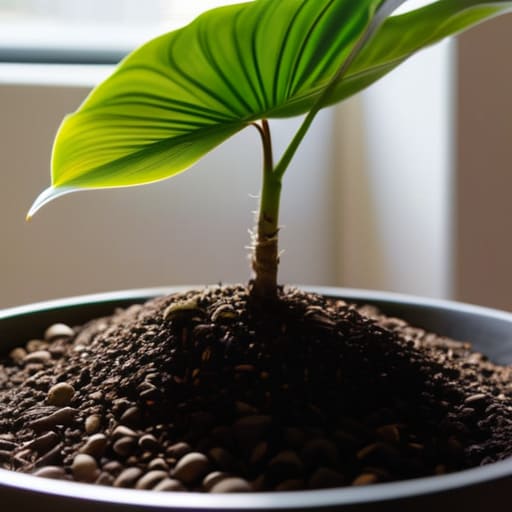
When you walk into a garden center, the sheer wall of bagged dirt can feel incredibly overwhelming. You don’t need to become a soil scientist to get this right, though. The biggest mistake I see people make is grabbing a generic “all-purpose” bag and hoping for the best. If you want to keep things simple, look for a high-quality potting mix specifically labeled for indoor use. Unlike garden soil, these mixes are sterilized and designed to be lightweight, which prevents that heavy, suffocating compaction that kills roots.
If you’re working with specific varieties, like a thirsty fern or a finicky succulent, a little extra nuance goes a long way. For most of my greenery, I look for a mix that includes perlite or pumice—those little white volcanic rocks—because they ensure excellent drainage. If you’re looking for the best soil for indoor plants that require more moisture, look for something with a bit of peat or coco coir. Just remember: the goal isn’t to find a “magic” dirt, but to find a medium that lets the roots breathe so you can spend less time worrying and more time enjoying your space.
Five Low-Stress Habits for Happy Plants
- Stop following a strict schedule and start using the finger test. Instead of watering every Monday because a calendar told you to, stick your finger an inch into the soil. If it feels damp, walk away; if it’s bone dry, grab the watering can. It’s much harder to kill a plant by underwatering than by drowning it in too much love.
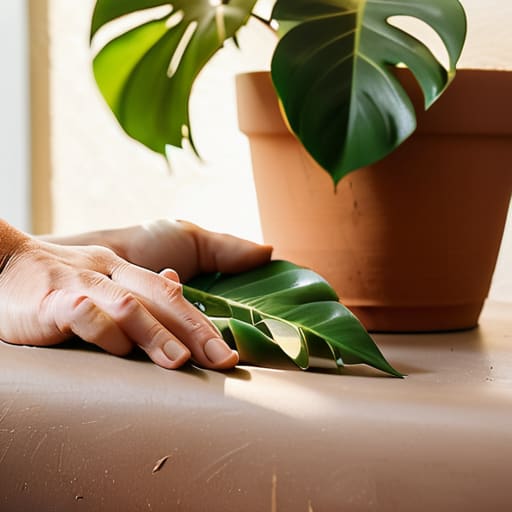
- Don’t let dust settle on the leaves. It sounds like a chore, but a layer of dust actually blocks their ability to “breathe” and soak up light. Once a month, just grab a damp cloth and give them a quick wipe. It keeps them looking sharp and helps them stay healthy without any fancy equipment.
- Drainage is your best friend. If you bought a beautiful ceramic pot that doesn’t have a hole in the bottom, don’t just dump soil in there. Use it as a “cachepot”—keep the plant in its plastic nursery liner and just set that inside the pretty pot. It makes repotting way easier and prevents root rot from happening while you aren’t looking.
- Learn to read their subtle cues. Plants are actually pretty good at communicating if you pay attention. Drooping leaves usually mean they’re thirsty; yellowing leaves often mean they’re getting too much water; and crispy, brown edges usually signal they need a bit more humidity. Once you recognize these signs, you can fix the problem before it becomes a crisis.
- Keep your “plant corner” consistent. Plants hate being moved around constantly. Once you find a spot where they seem to be thriving, leave them there. Moving them from room to room forces them to constantly readjust to new light and temperature levels, which just adds unnecessary stress to both you and the plant.
The Golden Rule of Plant Care
“Forget the complex schedules and the expensive gadgets; most plants don’t need a miracle, they just need you to pay attention. If you can learn to read the soil and the leaves, you’ve already done the hard part.”
Elena Vance
Keeping It Simple Moving Forward
At the end of the day, caring for your plants doesn’t need to be a second job. We’ve covered the essentials: getting the lighting right so they aren’t reaching desperately for a window, and picking a soil that actually lets their roots breathe. If you can master those two things, you’ve already won half the battle. Remember, it’s not about following a rigid, scientific schedule; it’s about observing the living things in front of you. If the leaves look droopy or the soil feels like a desert, just adjust. You don’t need a green thumb or a degree in botany—you just need to pay a little bit of attention once in a while.
I know how it feels when a new plant starts looking a little sad, and it’s easy to feel like you’ve failed. But please, don’t let a yellow leaf discourage you. Even I have lost a few succulents along the way while I was learning the ropes. Gardening—even indoor gardening—is a practice of trial and error. My best advice is to start small and stay curious. Your home is meant to be a place of rest, not a source of stress. Treat your plants as companions in your space rather than chores on your to-do list, and I promise you’ll find your rhythm.


I believe that a well-run home shouldn't require a PhD or a massive budget. My goal is to strip away the complexity so you can focus on actually living in your space. Let's keep things practical, efficient, and genuinely useful.
View All Articles