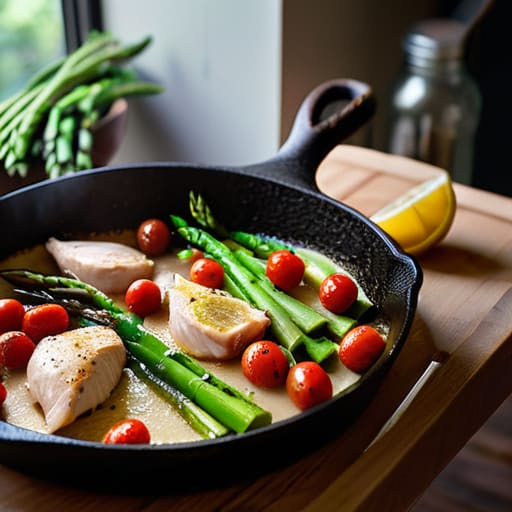

I used to think that a “real” home-cooked meal required a sink full of steaming dishes and at least three different pans burning on the stove. Between managing freelance projects and trying to keep my vintage furniture projects on track, I quickly realized that I didn’t have the mental bandwidth for that kind of chaos
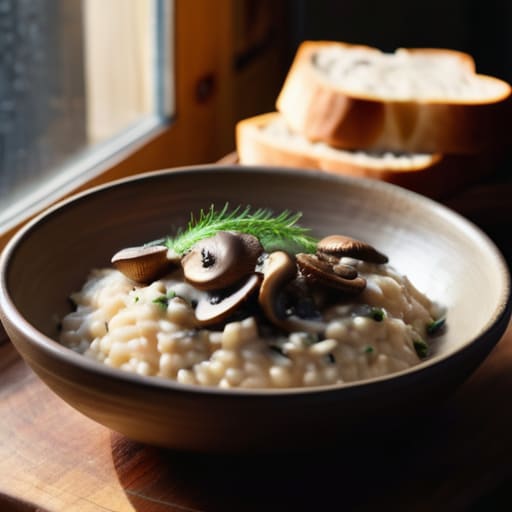
I remember sitting at my kitchen table a few years ago, staring at a grocery receipt that felt more like a mortgage payment than a weekly food budget. It’s incredibly easy to feel like you have to choose between eating something nutritious or actually keeping your savings intact, especially when every supermarket aisle seems designed
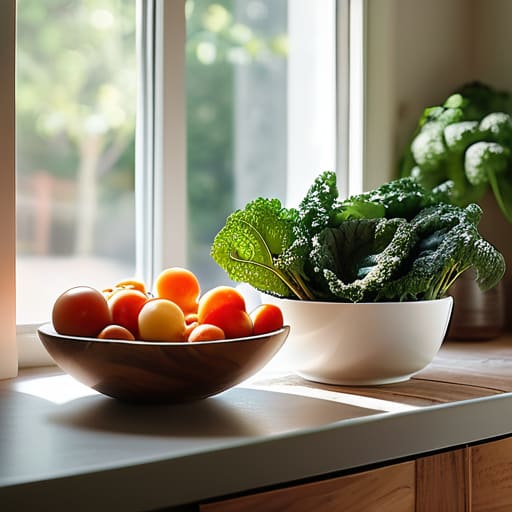
I used to think that learning how to stock a healthy kitchen meant buying every exotic superfood currently trending on social media—the kind of stuff that costs a fortune and usually ends up wilting in the back of the crisper drawer. I spent years thinking I needed a specialized lifestyle just to eat well, but
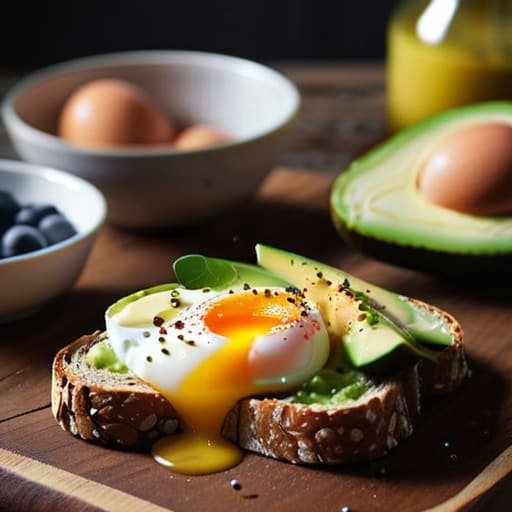
I used to think that a “healthy” morning meant spending forty minutes over a hot stove or buying those overpriced, pre-packaged protein bars that taste more like chalk than actual food. But between managing freelance projects and trying to restore an old teak sideboard in my garage, I simply don’t have the bandwidth for complicated
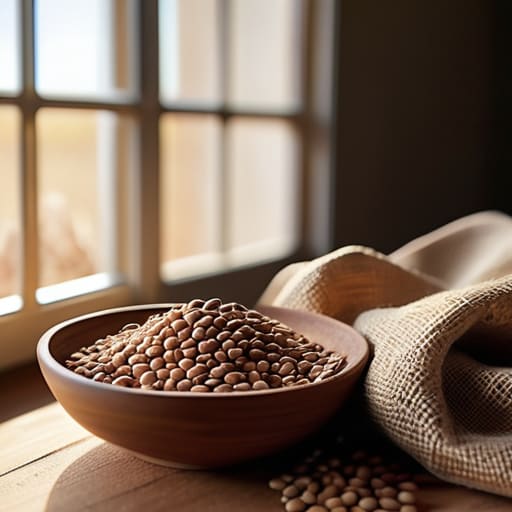
I used to think that mastering legumes meant buying expensive pressure cookers or following those ridiculous, twenty-step recipes that treat a simple dried bean like a delicate chemistry experiment. Honestly, the sheer amount of gatekeeping around how to cook beans and lentils is exhausting; you don’t need a culinary degree or a kitchen full of
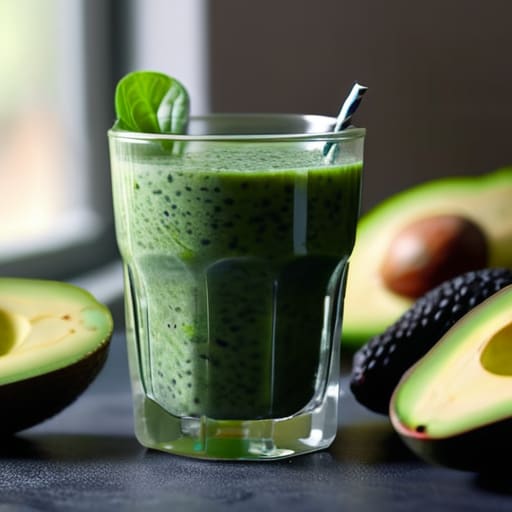
I am so tired of seeing those “ultimate” smoothie recipes online that require twenty different superfoods, expensive powders, and a specialized high-speed blender that costs more than my first car. Honestly, if I wanted to spend forty minutes prepping and cleaning, I’d just cook a full meal. Most people make learning how to make a
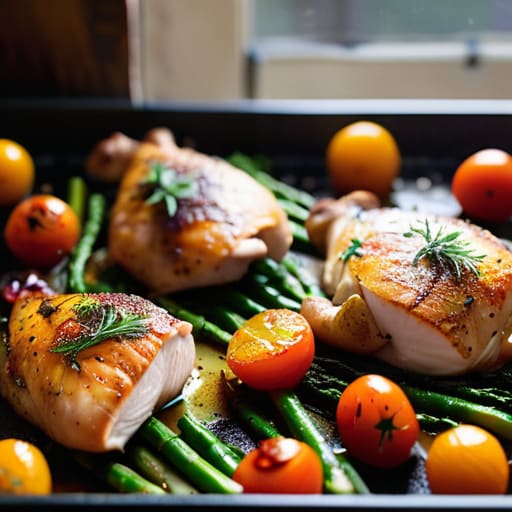
I remember those long corporate days when the last thing I wanted to do after closing my laptop was face a sink full of pots and pans. We’ve all been there—staring into a fridge that feels empty, feeling that familiar wave of decision fatigue wash over us. You want a nutritious, real meal, but the
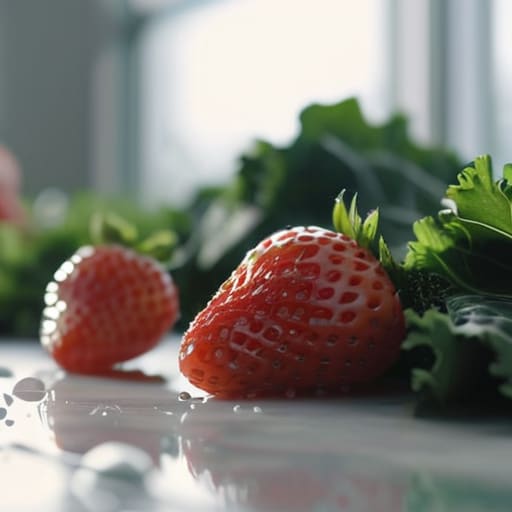
I remember standing in my kitchen three years ago, staring at a mountain of wilted spinach and a bag of expensive berries that looked like they were about to give up the ghost. I felt that familiar wave of guilt—the kind that hits when you realize you’ve just thrown money straight into the compost bin.
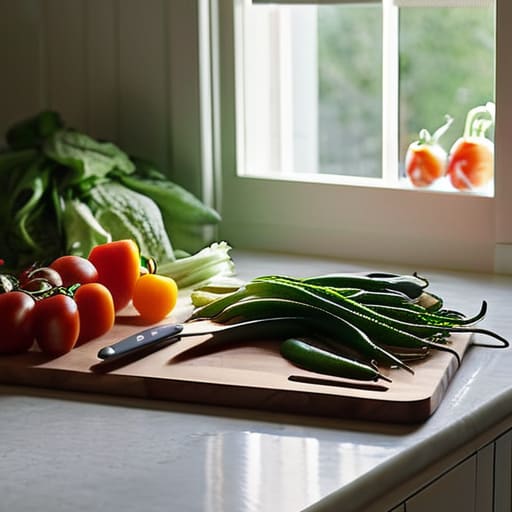
I used to think that learning how to meal plan meant I needed a color-coded binder, a subscription to a boutique recipe service, and about six hours of my Sunday afternoon to prep organic, artisanal grains. Honestly? That sounds like a recipe for burnout, not a better life. I spent way too many years in