

I remember those long corporate days when the last thing I wanted to do after closing my laptop was face a sink full of pots and pans. We’ve all been there—staring into a fridge that feels empty, feeling that familiar wave of decision fatigue wash over us. You want a nutritious, real meal, but the

I remember standing in my kitchen three years ago, staring at a mountain of wilted spinach and a bag of expensive berries that looked like they were about to give up the ghost. I felt that familiar wave of guilt—the kind that hits when you realize you’ve just thrown money straight into the compost bin.
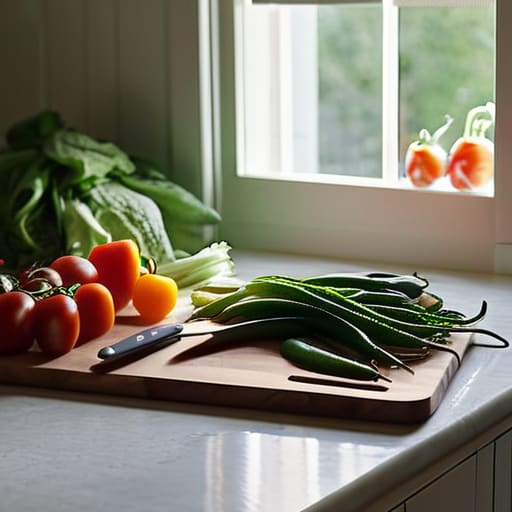
I used to think that learning how to meal plan meant I needed a color-coded binder, a subscription to a boutique recipe service, and about six hours of my Sunday afternoon to prep organic, artisanal grains. Honestly? That sounds like a recipe for burnout, not a better life. I spent way too many years in

We’ve all been there: it’s 3:00 PM, your energy is cratering, and you find yourself staring blankly into the pantry, reaching for whatever processed junk is closest just to survive the afternoon. Between managing projects and trying to keep a home running, finding time to prep elaborate meals is a pipe dream, but settling for

I used to think that if I didn’t own a $600 espresso machine and a precision digital scale, I was somehow failing at the morning ritual. I spent way too many years staring at complicated manuals and expensive gadgets, convinced that learning how to make coffee at home required a chemistry degree and a massive