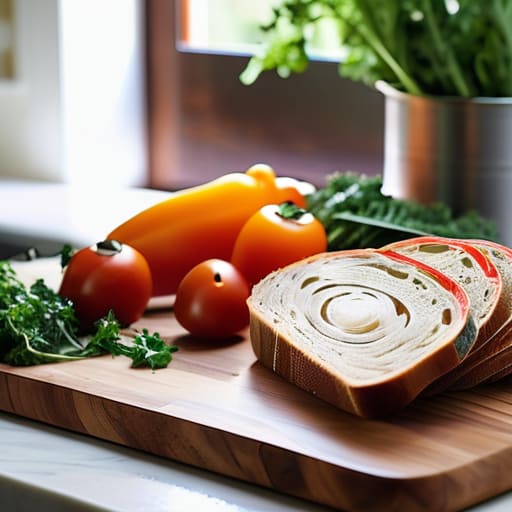

I was digging through the bottom drawer of my fridge last Tuesday—the one where things go to die—and found a bag of spinach that had turned into a literal puddle of green slime. As I scraped it into the bin, I realized I wasn’t just throwing away a few wilted leaves; I was throwing away hard-earned money and my own sanity. We’ve been told that learning how to reduce food waste requires fancy vacuum sealers, expensive glass canisters, or a complete lifestyle overhaul, but honestly? That’s just more clutter we don’t need.
I’m not here to sell you on a complicated system or a subscription to a meal-prep app that’ll just end up gathering digital dust. Instead, I want to share the practical, low-effort habits I’ve picked up from years of managing busy projects and a chaotic kitchen. We’re going to focus on simple, common-sense tweaks to how you shop and store what you already have. My goal is to help you stop the cycle of mindless discarding so you can save money and actually enjoy the food you buy.
Mastering Meal Planning for Beginners Without the Stress
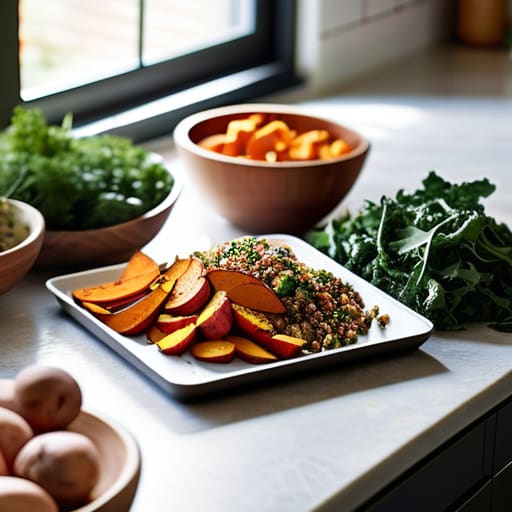
Look, I used to think meal planning meant spending my entire Sunday afternoon prepping twenty identical Tupperware containers of steamed broccoli. It was exhausting, and frankly, it didn’t work for my lifestyle. If you’re looking into meal planning for beginners, my best advice is to ditch the rigid schedules. Instead, try “component cooking.” Roast a big batch of veggies, cook some grains, and prep a protein. This gives you the flexibility to mix and match throughout the week without feeling like you’re stuck in a culinary rut.
The real secret to reducing your grocery bill isn’t about buying less; it’s about buying smarter. Before you even touch your shopping list, do a quick sweep of your pantry and fridge. It sounds tedious, but knowing exactly what you already have prevents that inevitable moment where you realize you bought a third jar of cumin when you already had two hiding in the back. Aim for a loose framework—maybe three planned dinners and a few “flexible” nights—rather than a strict blueprint. It keeps things manageable and, more importantly, actually sustainable for a busy week.
Proper Food Storage Techniques That Actually Work
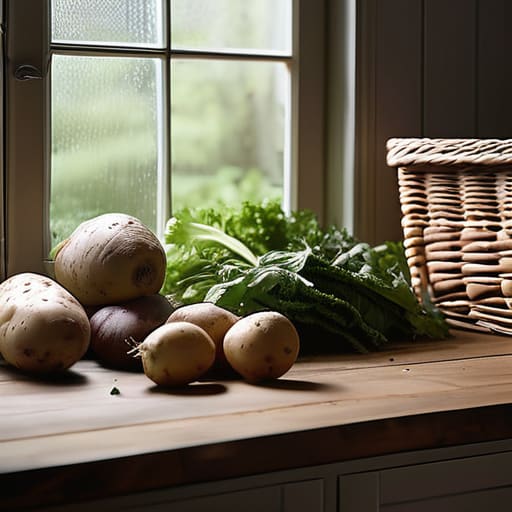
Once you’ve got your plan in place, the next hurdle is making sure what you bought actually stays edible. I used to just toss everything into the crisper drawer and hope for the best, but that’s a recipe for a science experiment. Learning proper food storage techniques is less about being a gourmet chef and more about knowing which items are sensitive to moisture and which ones need air. For instance, I’ve learned the hard way that keeping onions and potatoes together is a mistake—the onions make the potatoes sprout way too fast.
Another thing that saved my sanity (and my wallet) was finally understanding expiration dates. There is a huge difference between “sell by,” “use by,” and “best before.” Most of the time, if something smells fine and looks fine, it’s fine. Don’t let a printed date scare you into throwing away perfectly good food. If you can master a few simple tweaks—like putting herbs in a glass of water like a bouquet or wrapping leafy greens in a dry paper towel—you’ll notice a massive difference in your reducing grocery bill efforts.
Five Small Habits That Save Big Money (and Sanity)
- Shop your own pantry before you hit the store. It sounds obvious, but I spent twenty minutes yesterday looking for a jar of marinara only to realize I had three hiding in the back of the cupboard. Make a quick inventory first so you aren’t buying doubles.
- Learn the difference between “Sell By” and “Use By” dates. Most of the time, those dates are about quality, not safety. Trust your nose and your eyes rather than tossing perfectly good yogurt just because the calendar says so.
- Get creative with your leftovers. Instead of seeing last night’s roasted veggies as a chore, toss them into an omelet or a quick grain bowl for lunch. It keeps things interesting and ensures nothing sits in a Tupperware container until it turns into a science project.
- Treat your freezer like a safety net. If you realize you won’t get to that bag of spinach or that half-loaf of bread before it goes bad, freeze it. Almost anything can be revived later in a soup or a smoothie.
- Use what you have before it’s too late. I keep a “Eat Me First” bin in the fridge for those slightly soft tomatoes or the half-used onion. It takes the guesswork out of “what’s for dinner” and keeps the perishables from slipping through the cracks.
## A Mindset Shift
“Food waste isn’t just about throwing away scraps; it’s about throwing away the time and money you spent to get them into your kitchen. Stop treating your fridge like a black hole and start treating it like the tool it’s meant to be.”
Elena Vance
Making It Stick
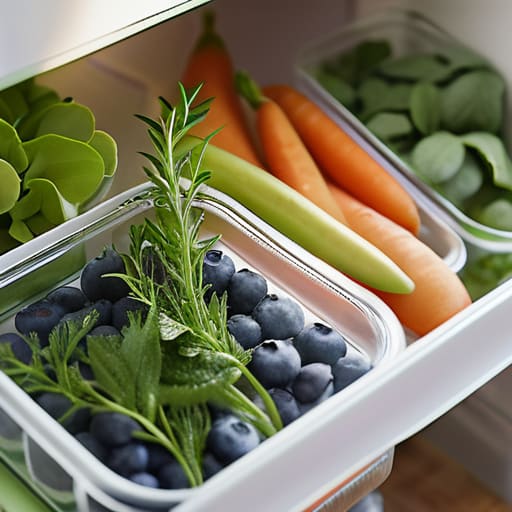
At the end of the day, reducing food waste isn’t about achieving some impossible level of perfection or living a zero-waste lifestyle overnight. It’s really just about a few small, intentional shifts in how you approach your kitchen. We’ve talked about how a bit of proactive meal planning can save you a massive headache on a Tuesday night, and how simply knowing where to put your herbs or berries can drastically extend their lifespan. When you combine a smarter grocery list with better storage habits, you aren’t just saving money—you’re actually reclaiming your time and reducing that mental load that comes with a cluttered, wasteful fridge.
I know it can feel like just one more thing on your to-do list, but I promise you, it’s worth the effort. Start small. Maybe this week you just focus on checking your pantry before you head to the store, or perhaps you finally commit to using that bag of spinach before it turns into a science project. Don’t sweat the mistakes; if something goes bad, just toss it and try again next time. The goal is to make your home work for you, not the other way around. Let’s keep things simple, keep things practical, and just start where you are.


I believe that a well-run home shouldn't require a PhD or a massive budget. My goal is to strip away the complexity so you can focus on actually living in your space. Let's keep things practical, efficient, and genuinely useful.
View All Articles